The world of stage lighting is rapidly evolving. Intelligent stage lighting technology has become a cornerstone of modern performances. As we move towards 2026, the question arises: What is the future trend of intelligent stage lighting? This inquiry opens the door to innovative ideas that blend artistry with advanced technology.
In the coming years, we can expect a stronger focus on automation and connectivity. Lighting systems will increasingly integrate with other technologies, enhancing the overall performance experience. Furthermore, sustainability will play a crucial role. Eco-friendly materials and energy-efficient systems are gaining traction. However, challenges remain in balancing creativity with technical constraints.
As we look ahead, it's essential to recognize that not every innovation will succeed. Some ideas may falter under practical demands. This reflective approach ensures we learn from setbacks, leading to more robust solutions. Ultimately, the future of intelligent stage lighting promises to be an exciting journey of discovery and artistic expression.
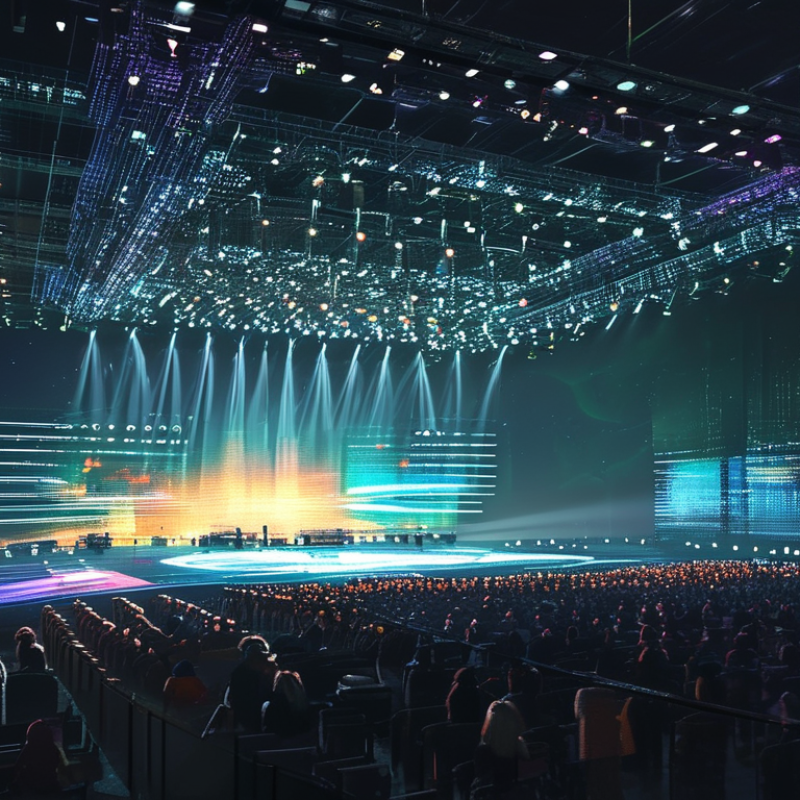
As we approach 2026, intelligent stage lighting is poised to undergo significant transformations. Emerging technologies are reshaping the way performances are illuminated. Advanced automation and artificial intelligence play crucial roles. These innovations help create immersive experiences. They allow designers to choreograph light in ways previously unimaginable. Real-time adjustments based on audience reactions can enhance engagement.
Furthermore, sustainability in lighting technologies is becoming more important. Energy-efficient systems are being developed to reduce environmental impacts. LED technology continues to evolve, offering brighter lights with lower energy consumption. There are still challenges to address. The rapidly changing landscape requires constant adaptation. Designers must stay updated with new tools and techniques. Balancing creativity and technology is essential for success.
However, reliance on automation can spark concerns. Over-automation might dilute human artistry. The essence of live performance lies in human touch. Ensuring that technology enhances rather than overshadows creativity is vital. A thoughtful integration of these advancements can lead to incredible outcomes. The future of intelligent stage lighting is bright, yet complex.
The integration of artificial intelligence in stage lighting design is reshaping the entertainment industry. AI technologies enhance creativity and efficiency. According to a report by MarketsandMarkets, the global stage lighting market is expected to reach $9.36 billion by 2026. This growth indicates a rising demand for innovative solutions in live performances.
AI-driven systems can analyze extensive data to create dynamic lighting effects. They respond to music and audience reactions, making each performance unique. Emerging artists are using AI to push the boundaries of traditional lighting design. However, relying solely on technology may overlook the emotional aspect of live performances. This balance is crucial for creating a memorable experience.
Tips: Incorporate AI tools but remember to maintain the human touch. Experiment with varied lighting patterns to evoke different emotions. Regularly review and update your techniques, ensuring they align with audience preferences. The fusion of tradition and innovation can lead to groundbreaking developments in stage lighting.
Sustainability in stage lighting has gained significant attention. As productions evolve, so do their environmental impacts. The shift towards eco-friendly lighting solutions is becoming essential. According to a recent industry report, up to 70% of stage lighting can now be achieved using energy-efficient LED technology. This not only reduces energy consumption but also minimizes logistical challenges related to power supply.
Furthermore, many lighting professionals are exploring renewable energy sources. Solar-powered lighting setups are now feasible for outdoor events. This move aligns with a growing demand for sustainable practices in entertainment. Yet, challenges persist. The initial setup costs for sustainable systems can be high. This often leads to hesitation among producers, especially for smaller productions.
Additionally, recycling materials post-production is gaining momentum. Many theaters aim for a zero-waste policy. However, implementing this remains a hurdle. Identifying local recycling options for lighting equipment can be tricky. According to the latest survey, only 30% of companies have established effective recycling programs. This indicates a clear area for improvement, emphasizing the need for more robust solutions in the industry. The path to sustainable stage lighting is fraught with challenges, yet the potential rewards are significant.
| Trend | Description | Sustainability Impact | Implementation Year |
|---|---|---|---|
| LED Technology Advancements | Integration of smarter LED fixtures that consume less energy and last longer. | Reduced energy consumption and waste due to longer lifespan. | 2026 |
| AI-Driven Lighting Control | Use of AI to automate lighting adjustments for efficiency and creativity. | Optimizes energy use based on real-time analysis. | 2025 |
| Solar-Powered Stage Lighting | Utilization of solar panels to power lighting for outdoor events. | Significant reduction in carbon footprint. | 2026 |
| Biodegradable Lighting Materials | Development of lighting gear using sustainable, biodegradable materials. | Minimizes plastic waste in stage production. | 2026 |
| Energy-Efficient Power Supply | Implementation of power supplies that lower energy use while maintaining performance. | Lowers overall energy consumption in productions. | 2025 |
The evolution of stage lighting technology has led to significant advancements in color rendering and effects. These improvements enhance the overall experience for both performers and audiences. Accurate color rendering brings scenes to life, allowing for deeper emotional connections. It's not just about brightness; colors must resonate and convey mood effectively.
Innovative lighting systems now utilize sophisticated algorithms to achieve vibrant hues. These systems adjust in real-time, adapting to changes in the performance. However, even with these advancements, challenges remain. The calibration process can be complex and time-consuming. Sometimes, lights don’t render colors as expected.
Additionally, the reliance on technology can lead to occasional glitches. Effectively integrating these systems often requires extensive training. Lighting designers need to be well-versed in both artistry and technology. It's a delicate balancing act that requires constant refinement. This pursuit of perfection in stage lighting continues to inspire creativity and innovation in theatrical productions.
The future of intelligent lighting systems is bright, particularly when it comes to user interaction. Innovations in control technologies are transforming how users engage with their lighting environments. Touchless controls, voice activation, and mobile interfaces allow for seamless interaction. This makes it possible for users to adjust settings in real-time, creating personalized experiences.
Imagine a theater where the lighting adjusts automatically based on audience feedback. Sensors could detect mood expressed in body language. The system might change colors or intensities to enhance the atmosphere. However, integrating this technology presents challenges. How can we ensure that such systems remain intuitive for all users? Complexity may frustrate less tech-savvy individuals. Finding a balance is crucial.
Another exciting area involves the use of augmented reality. Users could visualize lighting effects before implementation. This fosters creativity and offers a clear preview of the end result. Yet, continually evolving technology can lead to confusion and a steep learning curve. Maintaining up-to-date training and support is vital to overcome these hurdles. Envisioning a future where lighting adapts to every user's needs is a fascinating journey, albeit one filled with considerations and potential obstacles.
: Emerging technologies like automation and artificial intelligence are reshaping performance illumination.
AI enhances creativity and efficiency, creating dynamic lighting that responds to music and audience reactions.
Energy-efficient systems are developed, with a focus on LED technology for lower energy consumption.
Designers must adapt to rapidly changing technology and balance creativity with technical advancements.
Yes, over-automation might dilute human artistry and the essence of live performances.
Incorporate AI tools while experimenting with varied patterns to evoke emotions in the audience.
Techniques should be reviewed to ensure they align with current audience preferences.
It is projected to grow, reaching significant economic values, indicating a rise in demand for innovation.
This balance ensures that advancements enhance rather than overshadow the artistry of performances.
Maintaining the emotional aspect of live performance while utilizing technological advancements is essential.
The future trend of intelligent stage lighting is set to be shaped by several key advancements and innovative practices. Emerging technologies will play a pivotal role in transforming stage lighting, enabling more dynamic and responsive designs that cater to the evolving needs of productions. The integration of artificial intelligence is particularly noteworthy, as it offers designers tools to create personalized lighting experiences that sync with performances in real-time.
Sustainability will also take center stage, with a growing emphasis on eco-friendly solutions in lighting design aimed at reducing energy consumption and environmental impact. Furthermore, advancements in color rendering and lighting effects will enhance the visual storytelling of performances, while user interaction and control innovations will allow for greater engagement and customization. Together, these trends indicate a vibrant future for intelligent stage lighting where technology, creativity, and sustainability converge.

Senning Lights