Adjusting LED lighting can significantly impact your home environment. The right brightness and color temperature enhance comfort and functionality. Understanding how to adjust LED lighting brightness and color temperature is essential for creating the perfect atmosphere.
Many people overlook the importance of lighting. A dimly lit room can feel gloomy, while overly bright spaces can induce stress. Experimenting with different settings will provide insight into what works best for you.
Lighting technology has evolved, offering various options. Dimming switches, smart bulbs, and color-changing LEDs give users flexibility. However, not all solutions are easy or intuitive. Reflection on your specific needs will help in selecting the ideal lighting setup that fits your lifestyle.
Understanding LED Lighting: Basics of Brightness and Color Temperature
LED lighting has transformed the way we illuminate our spaces. Understanding brightness and color temperature is essential when selecting the right lighting for various environments. Brightness, measured in lumens, indicates how much light is emitted. Higher lumens create a well-lit space. However, too much brightness can cause discomfort or strain on the eyes. It’s crucial to find a balance that suits your environment.
Color temperature refers to the warmth or coolness of light. It is measured in kelvins (K). Lower Kelvin values generate a warm, cozy feel, while higher values produce a cool, energizing light. This can significantly influence mood. For example, a warm color temperature is great for relaxation, while cooler tones are better for focus and productivity.
Tips: Consider using dimmers to adjust brightness easily. This helps tailor the light for different activities. Also, utilize smart bulbs with adjustable color temperatures, allowing the light to shift throughout the day. While these solutions are effective, not every option may suit your taste or needs. Experimenting with different settings may lead to unexpected preferences. Reflect on how light makes you feel, and don't hesitate to make changes until it feels right.
Methods for Adjusting Brightness in LED Lighting Systems
Adjusting brightness in LED lighting systems can significantly enhance the quality of indoor environments. According to a report from the U.S. Department of Energy, improper brightness can lead to discomfort and eye strain in up to 30% of users. Various methods exist to control brightness effectively.
Dimming switches are widely used. These allow users to lower the brightness easily. However, not all LED lights are compatible with dimmers. It's essential to check compatibility before installation.
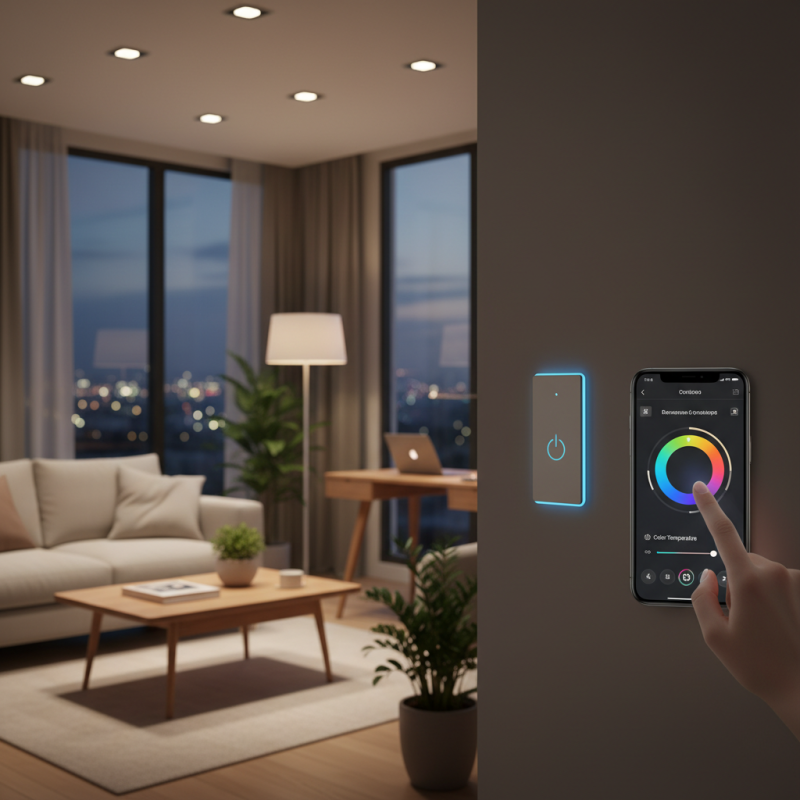
Smart lighting systems have gained popularity. They offer app-based controls for precise brightness adjustments. This flexibility enables users to adapt the lighting based on activities or moods. Research indicates that adjustable lighting environments can increase productivity by up to 15%. Additionally, the use of tunable white LED fixtures allows for temperature adjustments. This can recreate natural light cycles, promoting better circadian rhythms.
There are challenges to consider. Some dimming methods can cause flickering or reduce the lifespan of LEDs. This can lead to dissatisfaction with lighting solutions. Continuous advancements in LED technology focus on improving these issues. Experts recommend regular assessments of lighting needs and compatibility to avoid potential setbacks. Creating the right ambiance requires careful planning and consideration.
Techniques for Altering Color Temperature in LED Fixtures
Adjusting the color temperature of LED fixtures can significantly enhance a space's atmosphere. Warm hues create a cozy feel, while cooler tones foster alertness. One effective technique is using dimmers designed for LED lights. These devices can alter both brightness and color temperature, offering flexibility for different settings. For example, using a warm light during evening gatherings can create a relaxed space.
Another method involves selecting adjustable LED bulbs. Many options now allow users to switch between different color temperatures, such as soft white, bright white, and daylight. This versatility makes them ideal for various activities, from reading to entertaining. However, keep in mind that not all LED bulbs are created equal. Some may not dim smoothly or may shift color dramatically. This inconsistency can be frustrating and may require experimentation to find suitable products.
Smart lighting systems represent an innovative solution for controlling color temperature. These allow users to set schedules or change colors through an app. While incredibly convenient, their complexity can be a drawback. Some users find them challenging to navigate or integrate into existing home setups. Finding a balance between technology and simplicity might lead to better experiences with LED lighting.
Using Smart Technology for Personalized LED Lighting Adjustments
Smart technology is revolutionizing how we can adjust LED lighting brightness and color temperature. Users now have the power to create the perfect ambiance with just a tap or voice command. This flexibility enhances comfort and improves productivity in various settings.
To personalize your lighting, consider using smart bulbs capable of changing brightness and color. These bulbs connect via Wi-Fi or Bluetooth, allowing control through an app. This setup is great for adjusting lights based on activities. For instance, dim the lights during movie nights or opt for a brighter setting when reading.
Tips for effective use: experiment with different color temperatures. Warmer tones are ideal for relaxation, while cooler tones boost focus. Create schedules for your lights to adapt automatically, saving energy while enhancing your daily routine. Over time, you may find that specific settings work best for your lifestyle, encouraging thoughtful adjustments. Embrace trial and error in finding your ideal lighting.
Maintaining Optimal Lighting Conditions for Different Environments
Lighting conditions play a crucial role in various environments. Properly adjusting LED lighting brightness and color temperature can enhance productivity and comfort. Research indicates that the right light can boost creativity and focus. For example, a study by the American Society of Interior Designers found that 68% of respondents believe lighting directly affects their mood.
In offices, a cooler color temperature can enhance concentration. Cool white light, around 5000K, mimics daylight, which can increase alertness. However, too much brightness can cause eye strain. The ideal luminance level for workspaces ranges from 300 to 500 lux, according to the International Lighting Commission. Yet, many offices exceed this, leading to discomfort and decreased performance.
In residential settings, warmer colors are often preferred. A color temperature of 2700K to 3000K creates a cozy atmosphere. But in places like kitchens, cooler light is often favored for clarity. Some homeowners struggle with finding the right balance. Overly warm lighting in work areas can hinder task performance. Understanding these nuances of color temperature and brightness is essential for creating optimal environments.
FAQS
: Brightness, measured in lumens, indicates light emitted. Higher lumens mean a brighter space.
Excessive brightness can cause discomfort or eye strain. Finding a balance is essential for comfort.
Color temperature describes light's warmth or coolness. It's measured in kelvins (K).
Lower Kelvin values create a warm feel. Higher values produce a cool and energizing light.
Using dimmers allows you to cater the light to various activities. This creates the right atmosphere.
Smart bulbs change brightness and color via Wi-Fi or Bluetooth. They enhance comfort and productivity.
Yes, experiment with different color temperatures. This helps adapt lighting to fit your mood and activity.
Reflecting helps you understand how light impacts your feelings. Adjusting settings can lead to better comfort.
Creating schedules for lights can save energy. It also makes daily routines more enjoyable and efficient.
Embrace trial and error. Not every setting will suit you, so be open to adjustments.
Conclusion
In the article titled "Top Ways to Adjust LED Lighting Brightness and Color Temperature," readers are introduced to the fundamental concepts of LED lighting, emphasizing the importance of brightness and color temperature in creating suitable lighting environments. It elaborates on various methods to adjust brightness in LED lighting systems, including dimmers and drivers, as well as exploring techniques for altering color temperature using adjustable fixtures.
The discussion also highlights the impact of smart technology in personalizing LED lighting adjustments, allowing users to tailor their lighting experience according to specific needs and preferences. Additionally, the article underscores the significance of maintaining optimal lighting conditions across different environments, ensuring that both functionality and aesthetics are enhanced. Overall, it serves as a comprehensive guide on how to adjust LED lighting brightness and color temperature for improved lighting experiences.

 Senning Lights