In the world of lighting solutions, the "High Power LED Module" stands out for its capability and efficiency. Renowned expert Dr. John Smith once stated, "Choosing the right LED module can change the complete ambiance of a space." This insight highlights the importance of selecting an optimal high power LED.
High power LED modules provide exceptional brightness while conserving energy. They shine brightly in commercial and residential settings. However, not all products are equal. Some modules fail to deliver the promised performance. Inconsistency can lead to dissatisfaction among users. Identifying the right module requires careful consideration of several factors, including lumens, wattage, and thermal management.
Moreover, the market is flooded with options. Each claims to be the best, but few stand out. Consumers often find themselves overwhelmed by technical jargon. This uncertainty can lead to poor purchasing decisions. Remember, investing in a high-quality high power LED module is not just about upfront costs; it’s about long-term value and reliability.
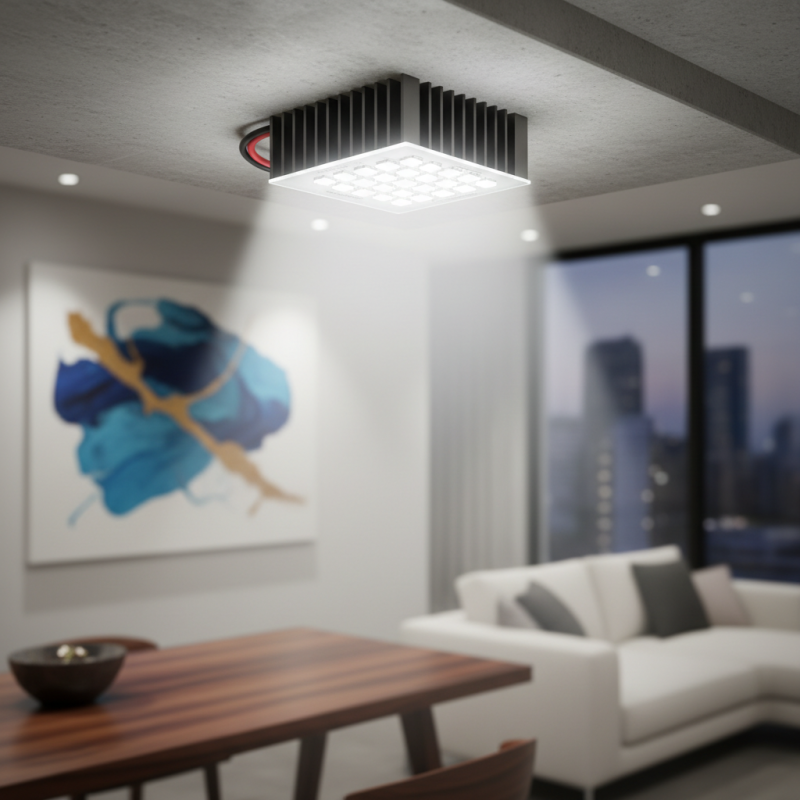
High power LED modules are revolutionizing the lighting industry. These modules provide exceptional brightness and energy efficiency. They are ideal for applications such as street lighting, industrial workspaces, and large venues. According to a recent industry report, high power LEDs can achieve efficiencies of up to 150 lumens per watt, significantly outperforming traditional lighting solutions.
One interesting feature of high power LED modules is their versatility. They can come in various sizes and configurations. This makes them suitable for different environments. However, not all modules are created equal. Installation and proper heat management can affect performance. Miscalculating power requirements could lead to overheating or reduced lifespan.
Tips: When selecting high power LED modules, consider the thermal design. Ensure proper heat sinking and airflow. This is crucial for maximizing longevity and efficiency. Additionally, pay attention to color temperature and CRI (Color Rendering Index) for optimal visual comfort.
Another aspect to consider is the initial cost. High power LED modules may require a higher upfront investment. Yet, their longevity and energy savings often lead to lower overall costs. Balancing these factors is key to making the right choice.
When selecting high power LED modules, several factors come into play. The output brightness is crucial. A well-lit space improves ambiance and visibility. Consider the color temperature of the light. Warmer lights create a cozy atmosphere, while cooler lights enhance focus. Look into the module's energy efficiency. Efficient modules save on electricity costs.
The size and shape of the LED module matter, too. It should fit the design of your project. A larger module may be more powerful, but it could also be less versatile. Check the heat dissipation features. High power LEDs generate heat that can affect performance. A cooling mechanism can prolong lifespan and efficiency.
Don’t overlook the installation process. Some products may require special tools or expertise. It can become a challenge for DIY enthusiasts. Be cautious when choosing the lens specifications. Different lenses affect light distribution. A wrong choice can lead to uneven lighting. Reflect on these aspects to make an informed decision.
When exploring high power LED modules, key attributes vary widely across brands.
Brightness, efficiency, and thermal management
play crucial roles. Some brands excel in delivering intense light output, making them suitable for industrial settings.
Others may focus on energy efficiency, appealing to environmentally conscious consumers.
Tips:
Always consider the installation environment.
For outdoor use, waterproof and durable designs are essential. In contrast, indoor spaces may call for sleek and stylish modules.
It's important to note that not every high power LED module meets all needs.
A high lumen count doesn’t always equate to the best performance.
Some models may struggle with heat dissipation, leading to shorter lifespans.
This is an aspect that users often overlook.
Tips:
Conducting a thermal test can help gauge a module's longevity.
Furthermore, light quality is often compromised for intensity.
It’s wise to analyze your specific lighting requirements before making a decision.
When considering high power LED modules, installation is a critical factor. Improper setup can lead to inefficiencies. It’s important to follow the manufacturer's guidelines closely. Research indicates that nearly 20% of initial failures in LED systems are due to installation errors. Familiarity with electrical standards can help prevent these issues.
Regular maintenance is essential for optimal performance. Check for dust and dirt accumulation on modules. A clean surface improves light output and heat dissipation. Perform routine inspections every six months. This will help identify any issues early. Many users overlook the significance of heat management. Overheating is a common failure point. Ensure adequate ventilation in the installation area.
Tips: Always verify connections before power-up. This prevents potential damage. Use thermal paste on heat sinks for better cooling. Monitoring performance through regular testing can enhance longevity. Keep an eye on the color consistency of the light. Flickering or color shift can indicate underlying problems. Stay proactive to maintain efficiency and effectiveness.
High power LED technology is rapidly evolving. Improved efficiency and longevity are key trends in this field. Recent reports indicate that high power LEDs can achieve over 150 lumens per watt. This is a significant improvement compared to traditional lighting options. As energy consumption rises globally, efficient solutions become essential.
The integration of smart technology with high power LEDs is another important trend. Sensors and connectivity features enhance user experience. They allow for better control over lighting conditions. However, there are challenges. The complexity of these systems can lead to installation errors. Users often require additional training to optimize performance.
Environmental considerations also play a vital role. The industry is pushing for sustainable practices. According to a 2022 market analysis, high power LEDs are expected to reduce global energy consumption by 30% by 2030. But not all products meet these standards. Ensuring compliance can be difficult. Manufacturers must focus on transparency and accountability. The future of high power LEDs holds promise, but it requires careful navigation of these challenges.
| Module Type | Wattage | Luminous Flux (lm) | Efficacy (lm/W) | Color Temperature (K) | Application |
|---|---|---|---|---|---|
| High Power COB | 100W | 12000 | 120 | 3000 | Commercial Lighting |
| High Power SMD | 150W | 18000 | 120 | 4000 | Industrial Lighting |
| LED Panel | 50W | 5000 | 100 | 5000 | Office Lighting |
| LED Floodlight | 200W | 24000 | 120 | 5700 | Outdoor Lighting |
| LED Streetlight | 80W | 9600 | 120 | 3000 | Street Lighting |
: Following installation guidelines closely is essential. Improper setup leads to inefficiencies.
Routine inspections should occur every six months to identify issues early.
Nearly 20% of initial failures result from installation errors.
Overheating is a common failure point, and adequate ventilation is crucial.
A clean surface free of dust enhances light output and heat dissipation.
Flickering or color shifts often signal underlying issues that need attention.
Improved efficiency, achieving over 150 lumens per watt, is a notable trend.
Complexity can lead to installation errors; users need training for optimal performance.
They are expected to reduce global energy consumption by 30% by 2030.
Not all products meet necessary sustainability standards; transparency is important.
The article explores the significance of High Power LED Modules in providing optimal lighting solutions across various applications. It begins by detailing the functionality and versatility of these modules, illuminating their role in enhancing efficiency and reducing energy consumption in lighting designs. It further examines crucial factors to consider when selecting the right High Power LED Module, including luminous efficacy, thermal management, and compatibility with existing systems.
Additionally, a comparative analysis of leading brands highlights key features and performance metrics, empowering readers to make informed decisions. The article also offers practical installation and maintenance tips to ensure the longevity and stability of High Power LED Modules. Lastly, it discusses future trends in LED technology, emphasizing the continuous innovation that promises even greater efficiency and adaptability in lighting solutions. Overall, this comprehensive overview serves as a valuable resource for anyone interested in harnessing the benefits of High Power LED Modules.

Senning Lights