As the world shifts towards energy-efficient solutions, LED lighting has garnered significant attention. One pressing question within the industry is, "What is the lifespan of LED lighting products?" Renowned lighting expert Dr. Lisa Smith emphasizes that "high-quality LEDs can last up to 25,000 hours or more." This extended lifespan makes LED lights a preferred choice for both residential and commercial applications.
However, the actual lifespan can vary. Factors such as temperature, humidity, and usage frequency influence longevity. Not all LED products are created equal; lower-quality options may not meet expectations. Moreover, it is essential to consider the technology behind specific LED designs. This means not every LED will perform reliably over the years.
In a rapidly developing market, consumers often face challenges in distinguishing between premium and subpar products. Understanding these nuances is crucial. Reflecting on these aspects leads to better choices and highlights the importance of quality assurance in the LED industry.
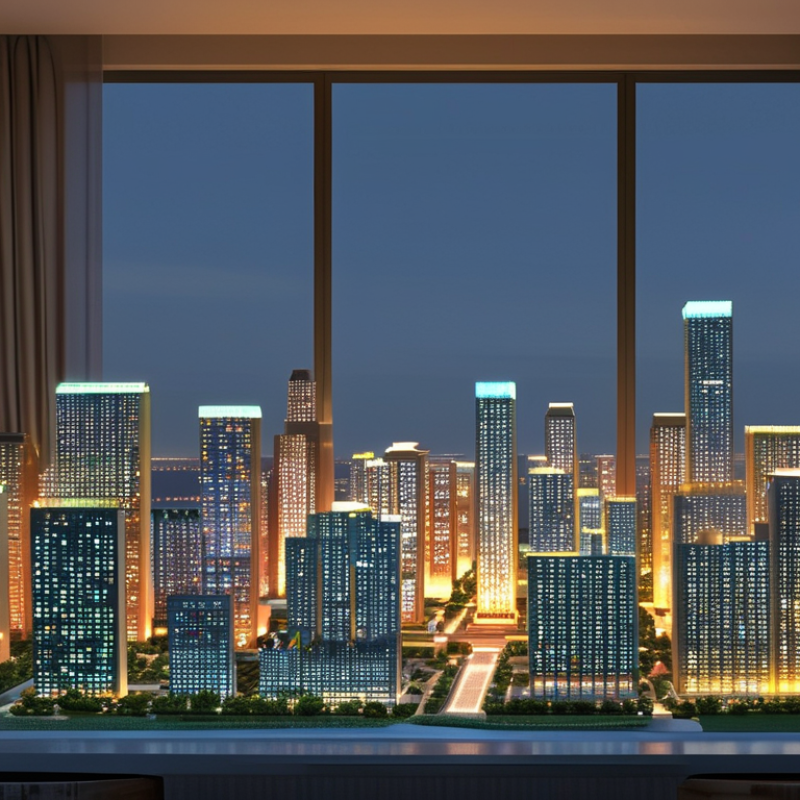
China's LED Lighting Industry: Current Trends and Innovations
China's LED lighting industry is rapidly evolving. Innovations are driving more efficient designs and extended lifespans. Currently, manufacturers focus on sustainability. They aim to reduce environmental footprints during production. As technology advances, consumer demand for energy-efficient solutions grows.
Innovative features like smart capabilities are becoming common. These allow users to control lighting through mobile apps. Enhanced connectivity options make products more appealing. This is a significant trend that reflects the shift towards smart homes. However, there’s a learning curve associated with these technologies. Users may face challenges in compatibility or functionality. Manufacturers must address these issues to improve user experience.
When choosing LED products, inspect their specifications. Lifespan claims vary among manufacturers. Be cautious about overly optimistic estimates. Research user reviews to understand real-life performance. Energy ratings are crucial in assessing efficiency. Look for products that balance quality and price. Consider both initial costs and long-term savings.
Average Lifespan of LED Products in Various Applications
The average lifespan of LED lighting products varies based on their applications. General LED bulbs typically last between 15,000 and 25,000 hours. However, specific uses can extend or reduce this lifespan. For instance, commercial LED fixtures in demanding environments may last only 10,000 hours. In contrast, high-quality outdoor lighting solutions can exceed 50,000 hours.
In a report by the U.S. Department of Energy, LEDs can provide substantial energy savings and durability compared to traditional lighting. This transition impacts maintenance costs significantly. A study indicates that replacing incandescent lights with LEDs can reduce replacement frequency by 80%. Yet, factors like heat dissipation and electrical surges can influence how long LEDs last.
For optimal performance, consider your environment. Do not cover LEDs with insulation or fabrics, as improper ventilation can decrease their lifespan. When selecting LEDs, assess the luminous efficacy, which directly correlates with longevity. Regularly check for dimming or flickering, as these signs may indicate an impending failure.
Factors Affecting LED Lifespan: Quality, Environment, and Usage
When discussing LED lighting products in China, the lifespan is a crucial aspect to consider. Several key factors influence this lifespan, including the quality of materials, environmental conditions, and usage patterns. Industry reports indicate that high-quality LEDs can last between 25,000 to 50,000 hours, significantly outlasting traditional incandescent bulbs, which average around 1,000 hours. However, quality control can vary widely among manufacturers.
Environmental conditions play a major role in LED longevity. Heat and humidity can severely impact performance. For instance, LEDs used in enclosed fixtures may experience reduced lifespan due to heat buildup. Similarly, operating LEDs in extreme temperatures may cause premature failures. Research highlights that maintaining optimal operating temperatures significantly improves the durability of LEDs.
Usage patterns also matter. Frequent on-off cycling, for example, can decrease the lifespan of some LED products. Unlike incandescents, LEDs are more efficient when left on for extended periods, yet many users are unaware of this. Percentage-wise, studies show that LEDs subjected to high-frequency switching can experience a 10-30% reduction in their operational life. Such insights help consumers make informed decisions when selecting products for their needs.
Comparative Analysis: LED Lifespan vs. Traditional Lighting Solutions
LED lighting has emerged as a game-changer in the industry, offering remarkable lifespan advantages over traditional lighting solutions. Industry reports indicate that the average lifespan of high-quality LED bulbs reaches approximately 25,000 to 50,000 hours. In contrast, incandescent bulbs last only about 1,000 hours, while compact fluorescent lamps (CFLs) typically last around 7,000 hours. This stark difference means that LED lights can last up to 50 times longer than their incandescent counterparts.
However, it is essential to recognize that not all LED products are created equal. Variability in manufacturing quality can impact performance. Studies show that cheaper options may not meet expected lifespans due to poor thermal management or inadequate driver circuitry. Some products may fail prematurely, falling short of that impressive 25,000-hour mark. Thus, consumers should be cautious and discerning in their selections.
Another factor to consider is the intensity of light output over time. While LED lights maintain their efficiency longer, they do experience lumen depreciation. Reports indicate that after about 25,000 hours, some LEDs lose up to 30% of their brightness. This degradation can influence user experience, particularly in settings where optimal lighting is critical. Therefore, evaluating the performance guarantees provided by manufacturers is crucial for making informed purchasing decisions.
Comparison of Lifespan: LED Lighting vs. Traditional Lighting Solutions
Future Projections for LED Lighting Lifespan and Industry Growth
The future of LED lighting is promising, especially when it comes to lifespan and industry growth. As technology evolves, manufacturers aim to extend the lifespan of LED products. Currently, many LEDs can last between 15,000 and 50,000 hours. This longevity not only reduces replacement frequency but also contributes to cost savings for consumers and businesses alike.
Experts predict that advancements in materials and engineering will further enhance durability. Some projections suggest we could see LEDs lasting over 100,000 hours within the next decade. This shift will likely change purchasing patterns, with consumers becoming more willing to invest in high-quality lighting solutions. However, it's essential to acknowledge that not all products will reach these milestones due to variances in quality and production practices.
The market for LED lighting continues to expand rapidly. Analysts foresee steady growth in demand for energy-efficient solutions. But this growth isn't without challenges. The industry must address concerns regarding waste and recycling of LED products. As the market matures, sustainability will play a crucial role in shaping consumer preferences. Balancing longevity with environmental impact will require ongoing innovation and commitment.
FAQS
: General LED bulbs last between 15,000 and 25,000 hours.
Heat dissipation and electrical surges can reduce LED lifespan significantly.
Yes, replacing incandescent lights with LEDs can reduce replacement frequency by 80%.
Inspect specifications, energy ratings, and user reviews for performance insights.
No, lifespan varies by quality and application; some may fail prematurely.
LEDs can lose up to 30% of brightness after about 25,000 hours of use.
Ensure proper ventilation and avoid covering LEDs with insulation or fabrics.
Smart capabilities enhance control but may come with a learning curve.
Quality of materials, environment, and usage conditions play significant roles.
Be cautious; overly optimistic claims may not reflect real-life performance.
Conclusion
The article titled "China Top LED Lighting Products Lifespan What to Expect?" explores the current trends and innovations within China's LED lighting industry, highlighting the average lifespan of LED products across various applications. It addresses key factors affecting the lifespan of LED lighting products, such as quality, environmental conditions, and usage patterns. Additionally, a comparative analysis is presented, illustrating how the lifespan of LED lighting products stacks up against traditional lighting solutions.
An important question posed is, "What is the lifespan of LED lighting products?" The article suggests that while LED technology continues to evolve, users can generally expect a longer lifespan compared to conventional lighting. Future projections indicate significant growth in the LED lighting industry, promising enhancements in product durability and efficiency driven by ongoing innovations. This analysis underscores the vital role of quality and environmental factors in optimizing LED product longevity.

 Senning Lights