In today's rapidly evolving lighting market, understanding how to choose cost-effective LED lighting products is crucial. LED technology offers efficiency and longevity, but with numerous options available, making a decision can feel overwhelming. Cost might seem like the main factor. However, it's essential to consider other aspects like brightness, color quality, and application suitability.
Many consumers focus on upfront costs, often overlooking long-term savings. A cheaper product might save you money now but can lead to higher electricity bills later. Additionally, the lifespan of the LED lamp plays a vital role. High-quality options last longer, resulting in reduced replacement frequency. This raises the question: How do we identify the best value?
Researching reputable manufacturers is important. Trusted brands provide transparent specifications and quality assurances. Be wary of products that lack clear information. Furthermore, read customer reviews for insights on performance and reliability. Ultimately, balancing cost, quality, and efficiency is key. Through careful consideration, anyone can successfully navigate the LED lighting landscape.
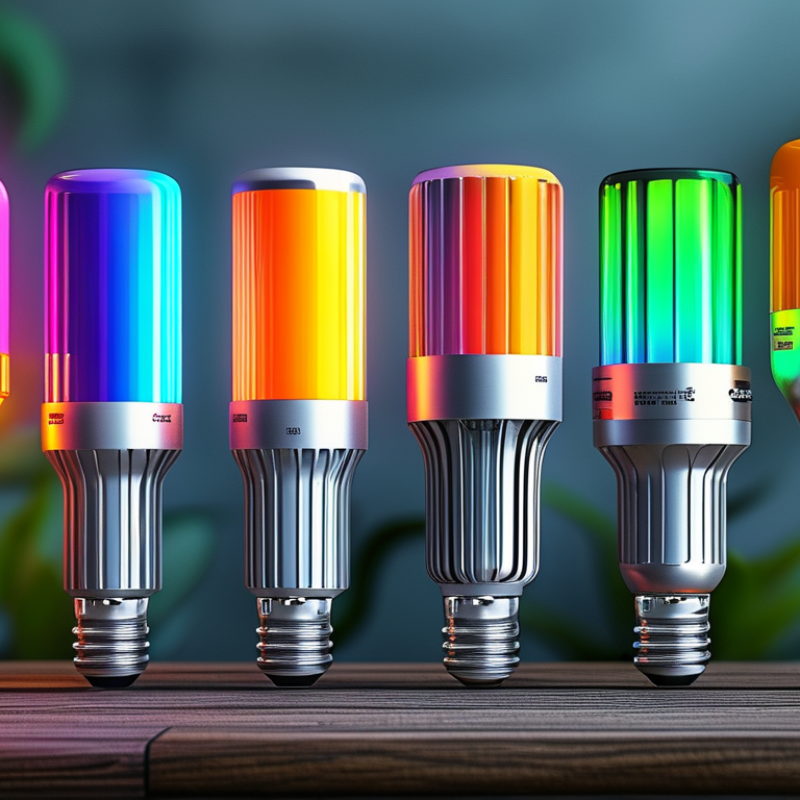
Understanding LED Lighting Basics and Benefits
When considering LED lighting, understanding the basics and benefits is essential. LED, or Light Emitting Diode, technology is energy-efficient and long-lasting. According to the U.S. Department of Energy, switching to LED can reduce energy costs by up to 75%. This significant decrease emphasizes the importance of choosing the right LED products for your needs.
One of the key benefits of LEDs is their longevity. They last approximately 25,000 hours compared to incandescent bulbs, which last only about 1,000 hours. This means fewer replacements and less waste. However, not all LED products are created equal. Some may offer poor color quality or light consistency. Research shows that high-quality LEDs maintain their brightness and color over time, ensuring a better experience for users.
**Tip:** Look for energy efficiency ratings and color rendering scores. These will help you make informed decisions when purchasing. Choosing the right wattage is also critical. Sometimes, consumers underestimate their lighting needs, leading to dim or uneven lighting. Pay attention to lumens; they indicate how much light is emitted.
LED lighting offers substantial benefits, but awareness of potential drawbacks is vital. Cheaper options may save money upfront but lead to unsatisfactory performance. Investing in quality products ensures both satisfaction and savings in the long run.
How to choose cost-effective LED lighting products for your needs?
| Feature |
Description |
Benefits |
Cost-effectiveness |
| Lifespan |
Typically lasts 15,000 to 50,000 hours |
Reduces replacement frequency |
Lower maintenance costs |
| Energy Efficiency |
Uses up to 80% less energy |
Decreases electricity bills |
Quick return on investment |
| Color Temperature |
Available in warm, cool, and daylight options |
Enhances mood and productivity |
Improves overall satisfaction with lighting |
| Dimmability |
Compatible with various dimmer switches |
Allows for customizable lighting levels |
Increases versatility in usage |
Evaluating Your Specific Lighting Needs and Requirements
When evaluating your specific lighting needs, it’s essential to consider both
functionality and
efficiency. A recent report from
the U.S. Department of Energy
indicates that LED lights can use up to 75% less energy
than traditional incandescent bulbs. This statistic showcases the long-term savings
potential of LED lighting. It’s crucial to analyze where the lights will be installed.
For example, areas with high ceilings may require more lumens for adequate illumination.
Understanding the color temperature
that fits your space is also vital. Cooler temperatures (between 5000K
and 6500K) provide bright, energetic light,
ideal for workspaces. Warmer temperatures (between 2700K
and 3000K) create cozy atmospheres for
living areas. However, selecting the correct color can be subjective. Lighting preferences
vary among individuals, and it’s essential to consider how different color temperatures
affect mood and productivity.
Additionally, look at the fixture’s lifespan and maintenance. LED products generally last longer,
reducing replacement costs. But keep in mind that not all LED lights are created equal. Some may dim
or change color over time. Reading consumer reviews can help identify reliable options, but be cautious.
Not every review reflects authenticity. Lighting choices impact aesthetics, energy use, and well-being.
Take the time to reflect on your unique requirements
before making a decision.
Comparing Different LED Product Options and Features
Choosing the right LED lighting products requires careful consideration of various options and features.
Start by examining the luminous efficacy, which measures how efficiently a bulb converts power into light.
Higher efficacy ratings mean greater energy savings. Individual needs vary.
For instance, ambient lighting for living rooms may differ from task lighting in kitchens.
Ensure that the color temperature, measured in Kelvins, aligns with the atmosphere you want to create.
Warmer tones (2700K-3000K) feel cozy, while cooler tones (4000K-5000K) enhance focus.
Tips: When comparing products, look for the lifespan rating. Many LEDs last over 25,000 hours.
This feature can significantly cut replacement costs. Don’t ignore CRI, Color Rendering Index, which indicates how accurately colors are represented under light.
A CRI above 80 is generally good for homes.
While reviewing different options, pay attention to dimmability and compatibility with your existing fixtures.
Not all LED products work seamlessly with dimmer switches. Experience shows that some users face flickering issues when mismatched.
It’s essential to weigh both features and potential drawbacks to find a perfect balance.
Prioritize your specific lighting needs, and consider the long-term value of each product.
Assessing Energy Efficiency and Long-Term Cost Savings
When looking for cost-effective LED lighting, understanding energy efficiency is crucial. According to the U.S. Department of Energy, LED lights are about 75% more efficient than traditional incandescent bulbs. This means they convert most of the power into light, while minimizing wasted heat. For instance, switching just ten light fixtures to LEDs can save over 500 kWh annually. That savings translates into significant cost reductions over time.
Long-term cost savings go beyond just energy efficiency. The lifespan of LED bulbs is impressive, averaging 25,000 to 50,000 hours. In contrast, incandescent bulbs last only about 1,000 hours. This longevity reduces the frequency of replacements, which can lead to further savings in both time and money. However, the upfront cost of LED lighting can be a consideration for many. Investing in quality LED products from reputable manufacturers typically provides better warranties and performance guarantees.
Selecting the right LED products should involve assessing your specific lighting needs. Consider factors like brightness requirements and fixture compatibility. Utility rebates and incentives can also ease the initial investment. While LEDs may seem costly upfront, their energy efficiency and durability make them a wise choice for sustainable savings.
Identifying Reliable Manufacturers and Brands for Purchase
When selecting LED lighting products, the choice of manufacturers and brands plays a critical role. Reliable manufacturers maintain quality through rigorous testing and certifications. Look for products that comply with industry standards. Assess the brand's reputation through customer reviews and expert recommendations. Trustworthy brands often have a history of customer satisfaction, which can guide your decisions.
Additionally, it's essential to consider after-sales support when evaluating manufacturers. A good warranty policy indicates confidence in their product. Seek brands that are transparent about product specifications and performance metrics. Compare several manufacturers to identify consistent quality across their offerings. However, remember that brand reputation can change over time. Recent reviews may present a different picture than past experiences.
Think about your specific needs as well. Not every well-known brand will meet the unique requirements of your space or project. Some lesser-known manufacturers may provide innovative solutions at a lower cost. Don't shy away from trying new brands, but assess their reliability carefully. Research can sometimes reveal a hidden gem in the industry.
FAQS
: LED stands for Light Emitting Diode. It’s a type of energy-efficient lighting.
LEDs can last about 25,000 hours. This is much longer than incandescent bulbs.
Switching to LED can reduce energy costs by up to 75%. This leads to significant savings.
Look for energy efficiency ratings and color rendering scores. These will help ensure quality.
Cheaper options may have poor color quality or light consistency. This can affect overall satisfaction.
Cooler temperatures are bright for workspaces. Warmer temperatures create a cozy atmosphere for homes.
Lumens indicate how much light is emitted. Pay attention to lumens for adequate brightness.
Consider functionality, efficiency, and the space where lights will be installed. Analyze specific requirements.
No, not all are equal. Some may dim or change color over time. Quality varies among products.
Reviews can help identify reliable options, but be cautious. Not every review may be trustworthy.
Conclusion
When considering how to choose cost-effective LED lighting products for your needs, it's essential to start with a solid understanding of LED technology and its numerous benefits, such as energy efficiency and longevity. Begin by evaluating your specific lighting requirements, which include factors like space size, desired brightness, and application type. This will help you narrow down the options available.
Next, compare different LED product features and specifications, focusing on aspects such as lumens, color temperature, and dimming capabilities. Assessing energy efficiency is crucial, as it directly correlates with long-term cost savings. Finally, ensure you select products from reliable manufacturers known for their quality and customer support, thereby guaranteeing a sound investment in your lighting solution.

 Senning Lights