What is the Difference Between Intelligent and Traditional Stage Lighting for 139th Canton Fair?

Time:2026-03-25 Author:Madeline
0%

Stage lighting plays a crucial role in enhancing the visual experience of any event or performance, especially at significant exhibitions like the Canton Fair. What is the difference between intelligent and traditional stage lighting? This distinction is vital for event planners and participants.

Intelligent lighting systems are equipped with advanced features. They can adjust settings automatically based on environmental changes. On the other hand, traditional lighting requires manual adjustments. This can lead to delays and inconsistencies during events. Imagine an expansive exhibition like the Canton Fair, where efficiency is essential. Here, intelligent lighting can adapt quickly, illuminating key areas without human intervention.

The 139th Canton Fair will showcase innovations, including intelligent lighting. This technology seeks to enhance not only the aesthetic appeal but also operational efficiency. However, relying too heavily on automation may raise questions. Can we afford to overlook the human element in lighting design? The balance between technology and artistry remains a topic for discussion in the industry.
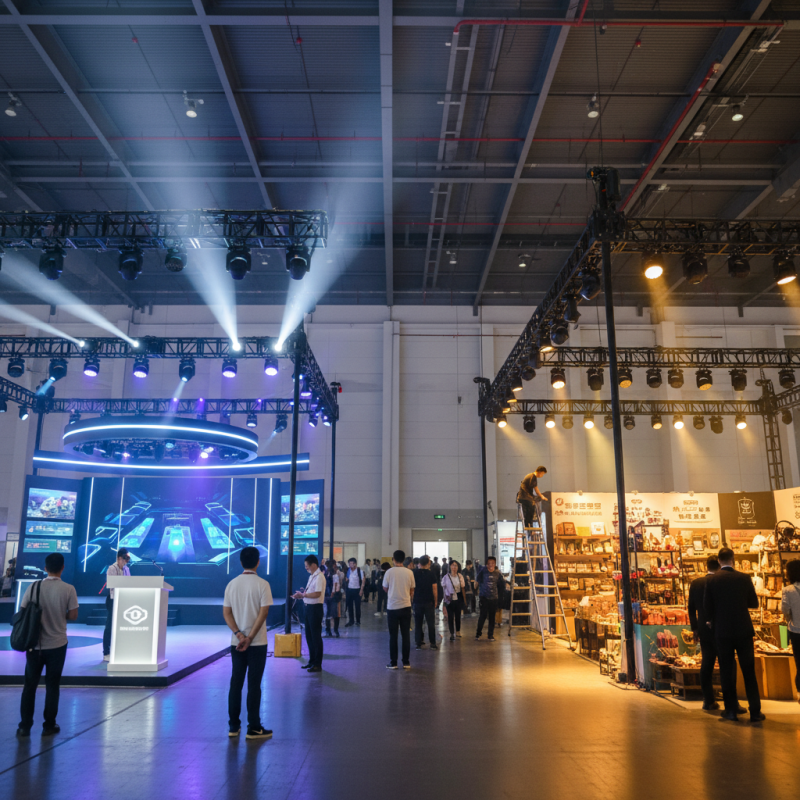
What is the Difference Between Intelligent and Traditional Stage Lighting for 139th Canton Fair?

Understanding Traditional Stage Lighting Systems

Traditional stage lighting systems have been essential in the entertainment industry for decades. These systems typically include incandescent lamps, fresnels, and ellipsoidal reflectors. They rely heavily on manual control, making set-ups labor-intensive. It's reported that around 70% of live shows still use traditional lighting methods.

The flexibility of traditional lighting can be limited. For instance, achieving color changes requires gels, which may not provide a vibrant look. Also, adjusting focus can be time-consuming. A survey indicated that technicians spent about 30% of their time on these adjustments during events. That time could be better utilized.

Moreover, energy efficiency remains an ongoing challenge. Traditional systems consume significantly more power compared to newer technologies. Reports show a 25% higher electricity usage for conventional lighting setups. This inefficiency raises both costs and environmental concerns as productions seek greener solutions. There’s a clear need for evolution. The industry acknowledges these drawbacks but often clings to the familiar. Change is hard, but essential for growth.

What is the Difference Between Intelligent and Traditional Stage Lighting for 139th Canton Fair? - Understanding Traditional Stage Lighting Systems

Feature Intelligent Stage Lighting Traditional Stage Lighting
Control System DMX control, programmable settings Manual control, limited automation
Flexibility Highly adaptable to various settings Less adaptable, specific to setup
Cost Higher initial investment Lower initial cost
Maintenance Requires specialized knowledge for repairs Easier to maintain and repair
Lighting Effects Advanced effects with color and movement Basic effects, limited movement

Exploring Intelligent Stage Lighting Technologies

Intelligent stage lighting technologies are revolutionizing the events industry. Unlike traditional fixtures, intelligent lights offer automation and precision. They can be programmed to change color, focus, and movement in real time. This flexibility enhances the overall production quality at events like the 139th Canton Fair. According to a recent industry report, intelligent lighting can increase audience engagement by 30%. This engagement is crucial in competitive environments.

The use of intelligent lighting also allows for creative designs that were previously difficult. Lighting designers can now create complex visual effects. These effects enhance presentations and performances. However, there are challenges. The integration of these technologies requires experienced technicians, which can lead to increased operational costs. A study noted that nearly 25% of companies struggle to find skilled professionals in this field.

Despite these hurdles, the advantages are clear. Events with intelligent lighting are more dynamic and appealing. A well-lit stage can significantly impact brand perception. It's important for organizers to weigh costs against potential benefits. With continuous advancements, intelligent lighting may become the new standard. Embracing this shift is essential for staying relevant in the evolving events landscape.

Key Features of Traditional vs. Intelligent Stage Lighting

Intelligent stage lighting and traditional stage lighting represent two distinct approaches. Traditional systems rely heavily on fixed lighting fixtures. They are straightforward but lack flexibility. Typically, traditional lighting setups cost less upfront, making them appealing for budget-conscious events. However, their static nature limits creative possibilities. Once installed, making adjustments can be labor-intensive.

In contrast, intelligent stage lighting systems offer dynamic features. These systems can change colors, patterns, and even move automatically. According to industry reports, 70% of event planners now prefer intelligent lighting for its adaptability. This flexibility allows quick adjustments during a performance, enhancing the audience experience. However, their complexity can lead to technical challenges on-site. Technicians may struggle without proper training, which can result in missed opportunities during an event.

Moreover, intelligent lighting often involves higher upfront costs. It requires more sophisticated control systems and additional programming. This investment pays off, as many reports indicate that well-lit events increase audience engagement by up to 30%. Yet, this shift to intelligent systems is not universally accepted. Some traditionalists argue for the charm and simplicity of older systems, which holds value in specific settings. Balancing innovation with tradition remains a challenge in the industry.

Difference Between Intelligent and Traditional Stage Lighting

Applications of Stage Lighting in Live Events

Stage lighting plays a crucial role in live events. Different types enhance the audience's experience. Intelligent lighting offers versatility and control. It can change colors and patterns quickly. Traditional lighting is reliable but often less dynamic. It provides consistent brightness without fancy effects.

At the 139th Canton Fair, stage lighting is vital. Intelligent systems can create immersive atmospheres. They adapt to the mood of a performance. This adaptability is essential for various events. Bright spotlights highlight key moments, while softer lights create intimacy. The blend of these styles can confuse some event planners. They may not know when to mix the two effectively.

Sometimes, the results don’t meet expectations. Lighting may wash out performers or blend too much into the background. Lack of experience can lead to miscommunication. Event coordinators need to understand both systems. Each serves a unique purpose in creating memorable experiences. Striking the right balance requires effort and reflection.

Future Trends in Stage Lighting for Entertainment Industry

The evolution of stage lighting in the entertainment industry is fascinating. Intelligent lighting systems have taken center stage. They provide dynamic effects and programmable features. Traditional lighting, on the other hand, relies on static setups. These familiar fixtures have a unique charm but lack flexibility. This dynamic shift is transforming how events are experienced.


Future trends indicate a growing integration of advanced technology in lighting. Artificial intelligence is making waves, enhancing control systems. Smart lighting can adapt to different atmospheres in real-time. Yet, this progress comes with challenges. Not everyone in the industry embraces these technologies. Some professionals still value the simplicity of traditional setups. Balancing innovation with practicality is essential for growth.


Live events demand captivating visuals. Immersive experiences draw audiences deeper into performances. The key is understanding how to blend old and new techniques. Overcoming the hesitation towards technological changes is crucial for the industry’s future. As the demands of audiences evolve, so must the methods of creating spectacular shows. Reflecting on these transitions helps visualize brighter stages ahead.

FAQS

: What are traditional stage lighting systems commonly made of?

: They typically include incandescent lamps, fresnels, and ellipsoidal reflectors.

Why are traditional lighting systems labor-intensive?

They rely heavily on manual control and need frequent adjustments, consuming technicians' time.

What is a major limitation of traditional stage lighting?

Achieving vibrant color changes requires gels, which are often unsatisfactory.

How does energy consumption of traditional lighting compare to newer technologies?

Traditional systems consume about 25% more electricity, raising costs and environmental concerns.

What are the benefits of intelligent stage lighting?

Intelligent systems can change colors and patterns automatically, enhancing audience engagement.

Why might some professionals prefer traditional lighting?

They value its simplicity and charm, especially in specific settings.

What is a challenge of intelligent stage lighting?

Its complexity can confuse technicians without proper training during performances.

How is artificial intelligence impacting stage lighting?

AI enhances control systems, allowing smart lighting to adapt to atmospheres in real-time.

What is essential for the future of stage lighting?

Balancing innovation with practicality while embracing the evolving demands of audiences.

What should industry professionals reflect on regarding stage lighting?

Understanding the blend of old and new techniques helps envision future improvements.

Conclusion

The article "What is the Difference Between Intelligent and Traditional Stage Lighting for 139th Canton Fair?" delves into the fundamental aspects of stage lighting, contrasting traditional systems with intelligent technologies. Traditional stage lighting systems typically rely on fixed fixtures and basic control methods, offering limited versatility and functionality. In contrast, intelligent stage lighting utilizes advanced technologies, enabling dynamic control, automation, and programmable effects that can enhance the visual experience of live events.

Furthermore, the article explores key features of both systems, such as the flexibility and creative potential of intelligent lighting compared to the reliability of traditional setups. It highlights various applications within the entertainment industry and discusses future trends, emphasizing the ongoing evolution and integration of intelligent lighting solutions. Through this exploration, readers gain a clearer understanding of "What is the difference between intelligent and traditional stage lighting," equipping them with knowledge essential for the advancing landscape of stage design and production.

Madeline

Madeline

Madeline is a dedicated marketing professional with a wealth of expertise in our company's core offerings. With a keen understanding of the industry, she brings a unique perspective to her role, consistently delivering high-quality content that highlights the superior aspects of our products. As......