When deciding between RGB and white LED lights, understanding the differences is crucial. "What is the difference between RGB and white LED lights?" is a common question for buyers. According to lighting expert Dr. Emily Carter, "RGB lights offer versatility, while white LEDs provide a more natural illumination." This distinction can significantly affect your choice.
RGB lights allow for a spectrum of colors, creating vibrant atmospheres. They are ideal for parties, events, and artistic displays. However, they may not provide the best visibility for tasks like reading or working. In contrast, white LED lights deliver consistent brightness and enhance clarity, making them suitable for everyday activities and environments that require focus.
Buyers often overlook practical aspects. RGB lights can be more expensive, and their setup may involve complex wiring. On the other hand, white LEDs tend to be more energy-efficient and have a longer lifespan. Choosing the right option requires careful consideration of your needs and space.
Understanding RGB LED Lights: Definition and Technology
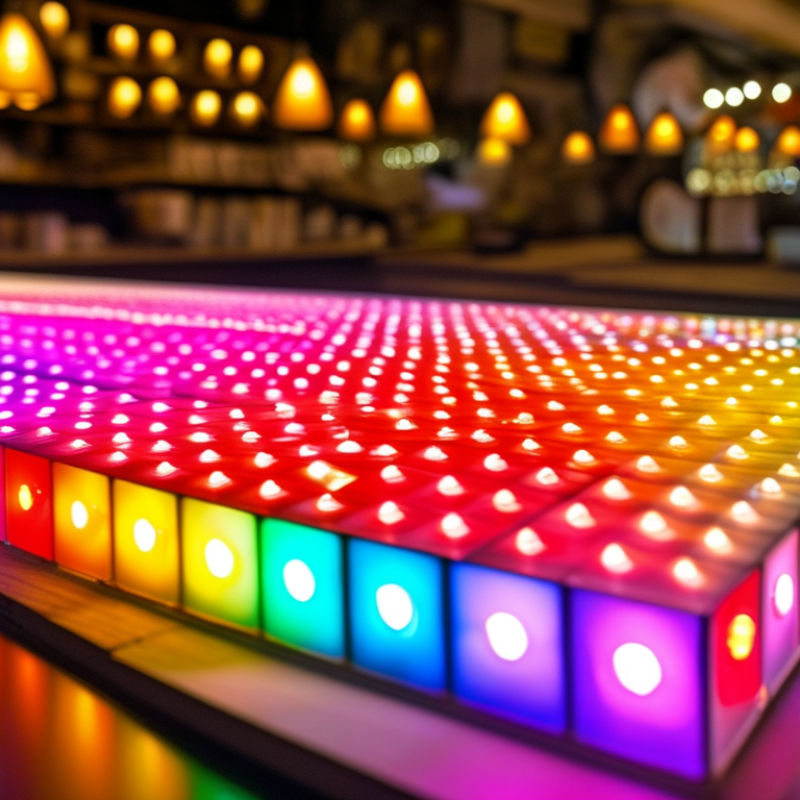
RGB LED lights offer a fascinating blend of colors, using red, green, and blue components. This technology allows for the creation of any color by adjusting the intensity of each LED. For instance, mixing equal parts of each color produces white light. Unlike traditional white LEDs, RGB lights change color and can produce dynamic lighting effects. This makes them popular for events and decorative purposes.
The technology behind RGB LEDs is both impressive and intricate. Each light typically contains tiny semiconductor materials that emit light when an electric current passes through. The result is a vivid palette that captivates users. However, typical white LEDs have a different structure. They often use a blue LED coated with yellow phosphor to produce a warm light. While RGB lights allow flexibility in color choice, their complexity can lead to inconsistencies in brightness and warmth.
Some users may find that tuning RGB lights for a desired effect can be challenging. Color accuracy might vary from device to device, leading to unexpected results. Additionally, programming these lights for smart home systems can be tricky. Enthusiasts might enjoy the creativity RGB lights offer, but they should also be aware of the technical hurdles involved in achieving the perfect ambiance.
Exploring White LED Lights: Types and Characteristics
White LED lights have gained immense popularity in various applications, primarily due to their energy efficiency and versatility. There are generally three main types of white LED lights: warm white, neutral white, and cool white. Warm white LEDs, typically around 2700K–3000K, mimic traditional incandescent bulbs, offering a cozy atmosphere. Neutral white LED lights, ranging from 3500K to 4100K, are ideal for workspaces, providing clarity without harshness. Cool white LEDs, usually above 5000K, produce a stark, bright light that enhances visibility, making them suitable for commercial venues.
The characteristics of white LED lights contribute significantly to their effectiveness. According to the U.S. Department of Energy, white LEDs are currently about 80% more efficient than traditional incandescent bulbs. They also last significantly longer—up to 25,000 hours, reducing the frequency and cost of replacements. However, not all white LEDs are created equal. Some emit a harsh glare, which can lead to eye strain, while others may render colors inaccurately. When choosing white LEDs, it’s crucial to consider color rendering index (CRI) values, which measure how accurately colors appear under the light. A CRI rating of 90 and above is considered excellent.
In navigating these options, consumers should be aware of their specific needs. In some cases, a warm white might create a comforting environment, while a neutral white can enhance productivity. Balancing preferences with technical specifications requires careful thought and research. Understanding these elements empowers buyers to select the most suitable white LED lighting for their spaces.
Comparison of RGB and White LED Lights
This chart compares important characteristics of RGB and White LED lights. RGB LEDs tend to have a wider color range but consume more energy, whereas White LEDs are more energy-efficient with a longer lifespan.
Comparative Analysis: RGB vs. White LED Lights
When comparing RGB and white LED lights, it's essential to consider the specific applications and environments. RGB lights are flexible, allowing users to mix colors for various moods. According to industry studies, the preference for adjustable color in lighting has increased by 20% over the past three years. This flexibility caters to both commercial and residential spaces. RGB lights can create a vibrant atmosphere, making them suitable for entertainment venues and events.
On the other hand, white LED lights are favored for their efficiency and brightness. Reports indicate that white LEDs consume up to 80% less energy than traditional incandescent bulbs. They provide consistent illumination, which is vital in settings like offices and hospitals, where clarity and focus are crucial. Additionally, the Correlated Color Temperature (CCT) of white LEDs can be adjusted to enhance productivity or relaxation, catering to various needs.
There are trade-offs with both options. RGB lights may require more complex setups and can be more expensive. Conversely, white LED lights might lack the creative flair that some buyers seek. Understanding these differences helps buyers make informed choices based on their specific requirements and preferences.
Advantages and Disadvantages of RGB and White LED Lights
RGB LED lights provide vibrant colors and versatile lighting options. They can create dynamic effects, catering to various moods and themes. Their ability to change colors makes them popular for parties and events. However, the complexity of operation can be a drawback for some users. Understanding their functionality requires some technical knowledge. RGB lights may also consume more energy when all colors are activated, potentially resulting in higher energy bills.
White LED lights offer a consistent and reliable source of illumination. They are energy-efficient and have a long lifespan. Many people appreciate their simplicity and effectiveness in everyday settings. However, they lack the dynamic range of colors that RGB lights provide. Users looking for ambiance might find white LEDs too plain or boring. Additionally, the quality of white light can vary, leading to harsh or cold lighting in some cases. Overall, both types have unique qualities that cater to different consumer preferences and needs.
Choosing the Right LED Lighting for Your Needs
When choosing LED lighting, consider your specific needs.
RGB LED lights offer a variety of colors. They can create different moods in a space. White LED lights provide a bright and focused illumination. These lights work well for task-oriented areas like kitchens or offices.
Reflect on where you will use the lighting. For living rooms, RGB might enhance the ambiance. In contrast, white LEDs are better for functionality. Think about the energy efficiency of each option. RGB lights might consume more power with constant color changes. White LEDs typically have a longer lifespan and lower energy consumption.
For best results, measure the space you need to light. This will help in selecting the right brightness level. Consider dimmable options for more control.
Experiment with different colors in your environment. You may find certain shades work better for your activities. Always check the quality of the LED lights you consider. Reliable options are essential for achieving your desired atmosphere.
FAQS
: RGB LED lights provide vibrant colors and versatile lighting. They create dynamic effects for various moods and themes.
RGB lights can be complex to operate. Some users may need technical knowledge to understand their functionality.
White LED lights are preferred for efficiency and consistent brightness. They are more effective for settings requiring clarity.
RGB lights may consume more energy, especially when all colors are activated. This can lead to higher energy costs.
White LED lights may lack the dynamic range of RGB lights. Some users might find them too plain for ambiance.
White LED lights enhance productivity with adjustable Correlated Color Temperature. They provide effective illumination in offices and hospitals.
Buyers should weigh the flexibility of RGB lights against their complexity. White LEDs are simpler but may lack creative flair.
The quality of white light can vary. Some white LEDs may produce harsh or cold lighting, lacking warmth and comfort.
The preference for adjustable color in lighting has increased by 20% in the past three years according to studies.
While RGB lights are suitable for entertainment venues, they may not fit well in traditional office settings where clarity is vital.
Conclusion
When considering lighting options, many buyers wonder, "What is the difference between RGB and white LED lights?" RGB LED lights utilize a blend of red, green, and blue colors, allowing for a wide spectrum of colors to be displayed and enabling dynamic lighting effects. This versatility makes RGB lights particularly popular for decorative purposes and events. In contrast, white LED lights come in various types, including warm white, cool white, and daylight white, each catering to different ambiance needs and practical applications, such as general illumination and task lighting.
A comparative analysis reveals that while RGB lights offer a unique aesthetic appeal, they often fall short in energy efficiency and longevity compared to white LEDs. The advantages of RGB lights lie in their ability to create vibrant environments, whereas the strengths of white LED lights are rooted in their functionality and efficiency. Ultimately, choosing the right LED lighting depends on individual needs, with practical applications often favoring white LEDs, while RGB lights excel in creative and entertaining settings.

 Senning Lights