Stage lighting plays a crucial role in any performance. It sets the mood and enhances the overall experience. When discussing stage lighting, many wonder, "What is the difference between intelligent and traditional stage lighting?" Understanding this distinction is essential for professionals and enthusiasts alike.
Intelligent lighting refers to automated fixtures that can move, change colors, and project patterns. These lights adapt quickly to the needs of a performance. They are controlled through sophisticated computer systems, allowing for intricate designs. In contrast, traditional lighting relies on static fixtures, which require manual adjustments and are less versatile. While both types serve important functions, the choice can impact the production quality significantly.
Professionals must consider factors like creativity, flexibility, and budget. Intelligent lighting may offer more options, but it can be complex and costly. Traditional lighting, while easier to maintain, presents limitations. Each system has its pros and cons, leading to vital reflections on which may best serve a specific project. Understanding these differences is not just technical; it's about enhancing the art of performance.
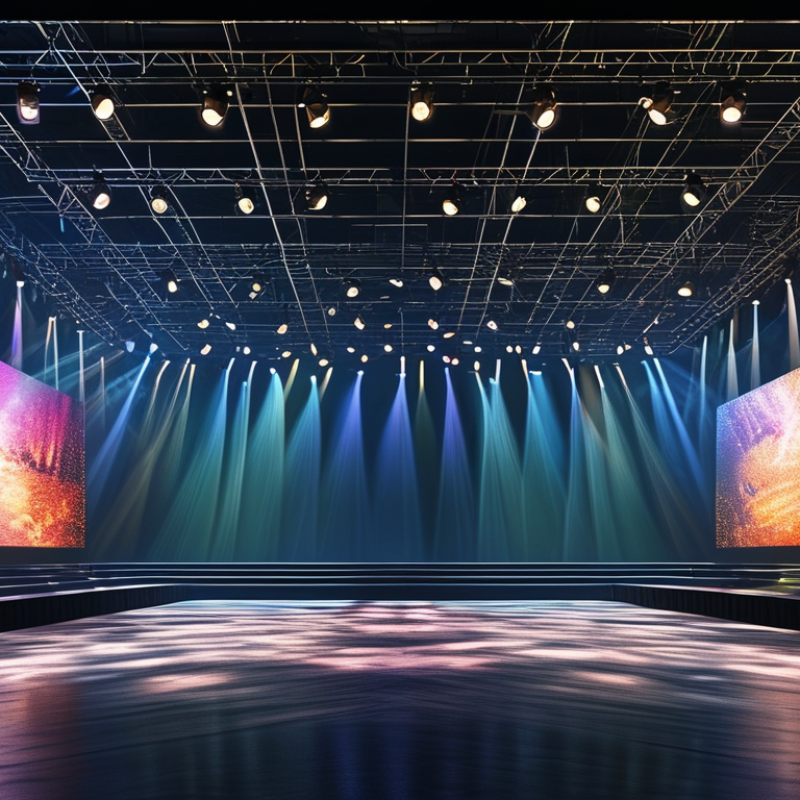
Understanding the Basics of Traditional Stage Lighting and Its Limitations
Traditional stage lighting has served as the
backbone of theatrical productions for decades. It primarily relies on
fixed positions and standard lighting fixtures, such as
spotlights and floodlights. These lights create the necessary ambiance,
highlighting actors and setting the mood.
However, traditional lighting comes with notable limitations. It often lacks
flexibility and
dynamic control, requiring physical repositioning to change lighting patterns.
The setup can be time-consuming and
labor-intensive. This can restrict creative decisions during performances,
as adjustments can’t be made on the fly. Additionally, traditional lighting can struggle to adapt to
varying stage designs and scene changes. A static light may not capture the essence of the moment,
leaving directors feeling constrained.
There is a learning curve involved with understanding traditional lighting techniques.
Mastering its nuances requires experience and a deep appreciation of theatrical practice. However, as
technology evolves, many professionals see the need to embrace
innovative lighting solutions. Reflecting on these limitations could spark significant discussions
among stage designers. This self-awareness could
lead to richer creative choices in the future.
Key Features and Capabilities of Intelligent Stage Lighting Systems
Intelligent stage lighting systems offer unique features that set them apart from traditional lighting. These systems include advanced control options. They can be programmed for precise movements and color changes. This technology enhances the overall visual experience during performances. Users can create dynamic effects that respond to the rhythm of the music. It's not just about illumination; it's about storytelling through light.
These intelligent systems often feature built-in sensors. These sensors can automatically adjust based on the stage environment. For example, they can change brightness in response to ambient light. This capability ensures the perfect atmosphere, no matter the conditions. However, the complexity of these systems can be intimidating. Learning to master them takes time and practice. It’s essential to balance creativity with technical skills.
Another aspect to consider is the cost. Intelligent lighting can be more expensive to install and maintain. This investment might not be feasible for every production. However, the benefits often outweigh the drawbacks for larger events. Understanding these systems requires commitment and continuous learning. Even experienced technicians may find new challenges with technological advancements. Being ahead in lighting technology can significantly impact the success of a show.
Comparative Analysis: Control and Programming of Traditional vs. Intelligent Lighting
When comparing traditional and intelligent stage lighting, control and programming are critical factors. Traditional lighting systems are often limited in scope. They require manual adjustments and basic dimming. A lighting technician must be present for any changes during a performance. This limits the flexibility and creativity of the production, as spontaneous lighting changes are not readily available.
In contrast, intelligent lighting offers robust programming capabilities. These fixtures can be controlled remotely, allowing for real-time adjustments. Programmers can pre-set various scenes and effects, creating dynamic environments. The use of software enables sophisticated control, but it requires a deeper understanding of technology. Many technicians still grapple with the complexities of programming and may struggle with unexpected glitches. It’s essential to acknowledge these challenges for improvement.
The contrast between the two systems highlights an evolving landscape in stage lighting. While intelligent fixtures enhance creativity and possibilities, they demand greater expertise. Each lighting type has its merits and drawbacks. Recognizing these nuances is crucial for any stage professional looking to refine their craft.
Impact of Intelligent Lighting on Stage Production Efficiency and Flexibility
Intelligent lighting transforms stage production efficiency and flexibility. These advanced systems allow for precise control over multiple elements, making lighting design more dynamic. Productions can adapt quickly to changing scenes and moods. Adjustments happen in real-time, which is a step up from traditional methods.
Due to their programmable features, intelligent lights can create complex lighting patterns effortlessly. Moreover, they are often combined with software for enhanced effects. This combination elevates the visual storytelling in performances. However, reliance on technology introduces potential complications. Equipment failures can disrupt the seamless flow.
Flexibility is a significant advantage. Productions can switch lighting setups on the fly, allowing for creative spontaneity. However, it requires skilled operators who understand both the technology and the artistic vision. The learning curve can be steep, and mistakes may happen. Insights gained from these experiences lead to better execution and a richer stage experience.
How to Differentiate Between Intelligent and Traditional Stage Lighting?
| Lighting Type |
Features |
Efficiency |
Flexibility |
Cost |
| Traditional Lighting |
Static, limited control options |
Lower energy efficiency |
Limited adaptability to different setups |
Lower initial investment |
| Intelligent Lighting |
Dynamic, programmable, and controllable |
Higher energy efficiency |
High adaptability for various performances |
Higher initial investment, cost-effective in long run |
| Applications |
Theater, live events |
Used primarily for conventional setups |
Not ideal for dynamic settings |
Widely used across various events |
| Installation |
Simpler, less technical |
Quicker setup |
Less technical support required |
Easier setup but less creative potential |
| Maintenance |
Generally lower maintenance needs |
Minimal ongoing costs |
Predictable performance |
Can incur higher maintenance due to complex systems |
Industry Trends: Adoption Rates and Future Outlook for Intelligent Stage Lighting
The shift towards intelligent stage lighting is transforming the entertainment industry.
According to recent industry reports, adoption rates of intelligent lighting systems are expected to reach 75% by 2025.
This significant growth reflects a growing appreciation for dynamic lighting designs that enhance performance experiences.
Traditional lighting setups, while reliable, often lack the versatility required for modern productions.
User engagement is on the rise. Intelligent lights allow for customizations that traditional options cannot match.
For instance, they can alter colors and shapes in real-time, responding to live music or audience reactions.
However, challenges remain. Many lighting designers still rely on conventional systems due to their simplicity.
Training staff to operate complex intelligent lighting can prove time-consuming.
The future outlook appears promising. As technology advances, costs for intelligent systems will likely decrease.
Increased accessibility may encourage wider adoption. Enhanced functionalities, including improved energy efficiency, could sway hesitant users.
On the flip side, the transition to intelligent lighting raises questions.
Will it lead to job losses for traditional lighting technicians?
Balancing innovation with current practices remains a critical industry concern.
FAQS
: They are used to create ambiance, highlight actors, and set the mood in performances.
Traditional lighting lacks flexibility and requires physical repositioning to change patterns.
Adjustments can't be made on the fly during performances, limiting spontaneity.
Intelligent lighting allows for real-time adjustments, enabling dynamic lighting designs.
Equipment failures can disrupt productions, and skilled operators are necessary to manage them.
Yes, there are concerns about potential job losses for traditional lighting technicians.
It allows for color and shape alterations in real-time, responding to live music and audience reactions.
Yes, operators need to understand both the technology and artistic vision, which can lead to mistakes.
Adoption rates are expected to rise, as technology becomes more accessible and costs decrease.
Balancing innovation with traditional practices is crucial, and training will be needed for new technologies.
Conclusion
The article explores the question, "What is the difference between intelligent and traditional stage lighting?" by first highlighting the foundational aspects of traditional stage lighting and its inherent limitations, such as lack of flexibility and programming capabilities. In contrast, intelligent stage lighting systems are characterized by advanced features that allow for precise control, dynamic effects, and programmable routines, enhancing creativity in stage productions.
The comparative analysis delves into how the control and programming of both lighting systems differ, emphasizing the greater efficiency and flexibility offered by intelligent lighting. The article also addresses current industry trends, examining the rising adoption rates of intelligent lighting and projecting its future trajectory in stage production, which signifies a shift towards more innovative and versatile lighting solutions in the performance arts.

 Senning Lights