The rise of dimmable LED lighting has sparked interest in energy efficiency. Many are asking, "How does dimmable LED lighting save energy?" Robert Miller, an expert in sustainable lighting solutions, emphasizes, "Dimming LEDs can lead to significant energy reductions." His insights reflect a growing trend in energy conservation.
Dimmable LED lights use less power when dimmed. This feature is especially beneficial in residential and commercial settings. By adjusting brightness, users can reduce energy consumption by 20% to 50%. The ability to tailor lighting to specific needs makes it not only eco-friendly but also cost-effective.
However, many still overlook this technology. Some consumers remain skeptical about initial costs and installation. They miss out on long-term savings. It's essential to recognize that every small adjustment counts in the larger picture of sustainability. Embracing dimmable LEDs could be a significant step toward reducing overall energy expenditures.
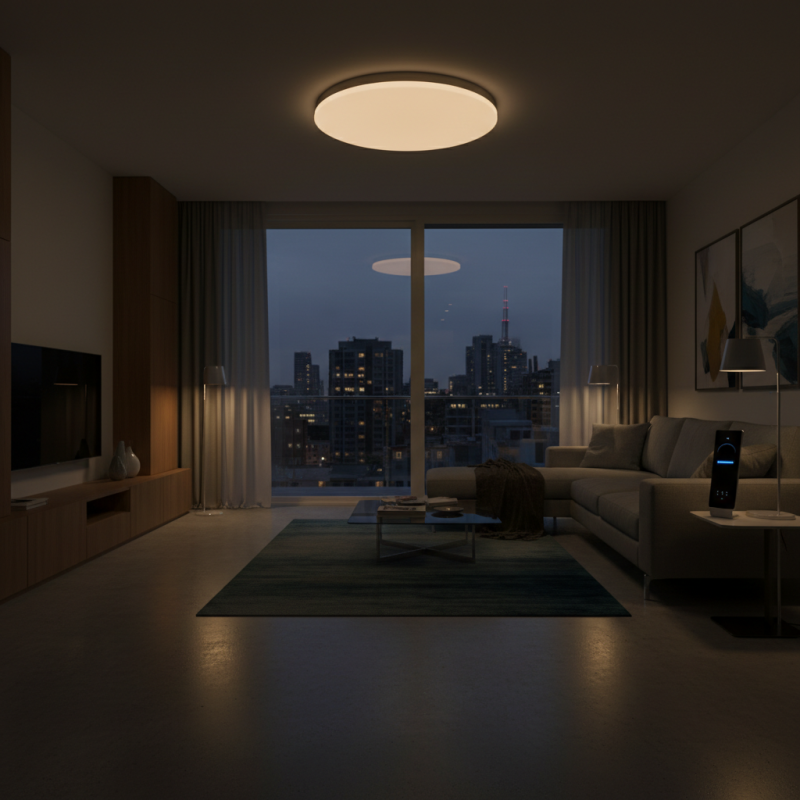
Understanding Dimmable LED Lighting: A Brief Overview
Dimmable LED lighting is an innovative choice for those looking to save on energy costs. These lights offer flexibility in brightness levels, allowing users to adjust light intensity based on specific needs. Lower brightness means using less energy. When reduced, the energy consumption drops significantly, leading to savings on electricity bills.
Using dimmable LED lights can enhance your space. They create ambiance tailored to various activities. Whether you're working, relaxing, or hosting friends, adjusting the lighting can transform the atmosphere. This adaptability not only contributes to comfort but also promotes energy efficiency.
**Tips:**
1. Start with dimmable LED options in frequently used areas like living rooms and kitchens.
2. Experiment with different brightness settings to find an optimal level that works for your lifestyle.
3. Consider installing smart dimmers for more control over your lighting experience.
While there are benefits, it’s important to be aware that retrofitting existing fixtures may require additional costs. Also, consider not all dimmable LEDs are compatible with every dimmer switch. Testing your setup is crucial to ensure proper functionality.
How does using dimmable LED lighting reduce energy costs?
| Feature |
Standard LED |
Dimmable LED |
Energy Savings (%) |
| Power Consumption (W) |
10 |
8 |
20% |
| Lifespan (Hours) |
25000 |
30000 |
N/A |
| Initial Cost ($) |
15 |
20 |
N/A |
| Average Annual Energy Cost ($) |
18 |
14.4 |
20% |
Principles of Energy Consumption in Lighting Systems
Dimmable LED lighting brings several benefits that directly impact energy costs. The principle behind energy consumption in lighting systems is straightforward. Traditional lighting remains constant, drawing full power regardless of need. In contrast, dimmable LEDs use advanced technology to adjust brightness, leading to substantial energy savings.
Research from the U.S. Department of Energy indicates that using dimmable lighting can reduce energy usage by up to 40%. This is significant when considering commercial spaces that operate long hours. For instance, in office environments, controlling brightness according to daylight conditions can cut energy costs significantly. However, this requires a change in approach. Many facilities still rely on fixed lighting setups, missing out on potential savings.
Additionally, dimmable LEDs enhance the overall ambiance while consuming less power. The flexibility to tweak lighting levels not only saves energy but also improves occupant satisfaction. Yet, there are challenges. Proper installation and user education are essential for maximizing these benefits. Without adequate training, staff might revert to high-brightness levels, negating savings. Balancing energy-efficient solutions with behavior change is crucial for sustainable usage.
How Dimmable LED Lighting Reduces Energy Costs
Dimmable LED lighting significantly reduces energy costs compared to standard lighting solutions. The data shows that using dimmable LEDs can cut energy expenses to nearly half, demonstrating their efficiency and cost-effectiveness in lighting systems.
Cost-Benefit Analysis of Dimmable LEDs vs. Traditional Lighting
Dimmable LED lighting has gained attention for its potential to dramatically reduce energy costs. A study by the U.S. Department of Energy reported that LEDs use up to 75% less energy than traditional incandescent bulbs. This is significant, especially considering the rising global energy prices.
Dimming capabilities further enhance savings, as they allow users to adjust brightness based on need, reducing wasted energy. This flexibility can lead to utility cost reductions of approximately 30% for commercial settings.
Cost-benefit analysis shows that initial investments in dimmable LEDs can yield significant long-term savings. According to an industry report, although the upfront costs for dimmable LEDs may be higher, the lifespan of over 25,000 hours outweighs traditional bulbs. In fact, many buildings have reported payback periods of three years or less due to lower energy bills. However, it's important to note that not every environment requires dimmable lighting; some may find it unnecessary and costly.
Tips:
- Evaluate your lighting needs before switching to dimmable options.
- Consider using smart controls to maximize efficiency further.
Such thoughtful analyses can drive informed decisions, ensuring the transition aligns with building requirements and budgetary constraints.
Practical Applications of Dimmable LED Lighting in Different Settings
Dimmable LED lighting offers numerous applications across different settings, enhancing both ambiance and energy efficiency. In residential spaces, homeowners can adjust brightness levels according to the time of day or activity. A warm, dimmed light can create a cozy atmosphere during dinner, saving energy compared to full brightness. In contrast, brighter settings are ideal for tasks like reading or cooking, providing functional lighting when needed.
In commercial environments, such as offices or retail stores, dimmable LED lights can be programmed to change throughout the day. For instance, during peak business hours, lights can be bright. This not only helps in saving energy but also boosts productivity and customer experience. However, some businesses may find it challenging to find the right balance of brightness. Too dim lighting might affect visibility, while excessive brightness can lead to glare.
In hospitality venues, such as restaurants or hotels, dimmable lighting can enhance guest experiences. Guests may prefer softer lighting for an intimate dining experience. Yet, if the volume of light is too low, it could lead to dissatisfaction. Managing these expectations requires careful planning and adjustment of lighting controls. Proper installation and maintenance are crucial in ensuring that these systems provide reliable performance and meet varying needs.
Strategies for Maximizing Energy Savings with Dimmable LEDs
Dimmable LED lighting presents a significant opportunity for energy savings in residential and commercial spaces. According to the U.S. Department of Energy, LEDs can reduce energy usage by up to 75% compared to traditional incandescent bulbs. By integrating dimming features, users can further optimize energy consumption. A well-timed dimming strategy can cut energy costs by an additional 30%, especially during peak hours.
Effective strategies for maximizing energy savings with dimmable LEDs include using timers and smart controls. Implementing these technologies can automate lighting schedules, allowing lights to dim when natural light suffices. For example, a recent study from the The Lawrence Berkeley National Laboratory found that buildings employing smart lighting controls reported a nearly 60% reduction in energy use. This shows how much can be lost without proper lighting management.
Despite these benefits, some challenges remain. Not all spaces can benefit equally from dimmable LEDs, and the upfront cost can deter some users. Proper installation is crucial too; poorly installed fixtures can lead to flickering or uneven lighting. A well-planned approach can significantly enhance efficiency, but users must be cautious about initial setup. Understanding these nuances is key to realizing the full potential of dimmable LEDs.
FAQS
: Dimmable LED lighting saves energy costs and allows adjustments in light intensity. This enhances comfort and ambiance in spaces.
Research shows they can reduce energy usage by up to 40%. This is especially beneficial in commercial settings.
Start in frequently used areas like living rooms and kitchens. Adjustability can improve the environment for various activities.
Yes, installing smart dimmers can provide more control. However, retrofitting may involve extra costs and challenges.
No, not all dimmable LEDs work with every dimmer. Testing setups ensures proper functionality and optimal performance.
Experiment with different settings. Finding an optimal brightness can enhance your lifestyle and create the atmosphere you desire.
Yes, without proper training, staff may revert to high brightness levels. Education is necessary to maintain energy savings.
Retrofitting existing fixtures can be costly. Changes in habits and approaches are needed to maximize efficiency and benefits.
Conclusion
Dimmable LED lighting has emerged as an effective solution for reducing energy costs in various settings. By understanding the principles of energy consumption in lighting systems, we can see that dimmable LEDs allow users to adjust brightness according to specific needs, thereby consuming less energy when full intensity is not required. This adaptability not only enhances comfort but also contributes to significant savings on electricity bills.
A cost-benefit analysis reveals that while traditional lighting options may have lower upfront costs, the long-term savings achieved through reduced energy consumption and longer lifespans of dimmable LEDs make them a more economical choice. Practical applications across residential, commercial, and industrial sectors further illustrate the versatility of dimmable LED lighting. To maximize energy savings with dimmable LEDs, implementing strategies such as utilizing timers, sensors, and smart technology is essential. Thus, the question "How does dimmable LED lighting save energy?" is answered by their ability to efficiently adjust light output, leading to lower energy usage and increased savings.

 Senning Lights