How does dimmable LED lighting save energy? The answer begins with control, not brightness alone. A dimmable LED fixture reduces power when a room needs less illumination. In a corridor, for example, a 100% setting may be unnecessary after midnight. Reducing output to 50% can lower electricity use, although savings vary by driver design and control system.
The U.S. Department of Energy reports that LED products use at least 75% less energy than incandescent lamps. ENERGY STAR also emphasizes that compatible dimming controls can reduce lighting demand further. The International Energy Agency’s Energy Efficiency 2023 report identifies lighting as a major global electricity load, making small reductions meaningful across offices, stores, and homes. Every dimmed fixture matters.
James R. Brodrick, former manager of the U.S. Department of Energy’s Solid-State Lighting Program, states, “LEDs are inherently dimmable.” That technical advantage supports daylight sensors, occupancy controls, and scheduled brightness levels. A sensor near a window can reduce output while sunlight fills the desk surface. Simple, but effective.
The details matter.
Dimming does not guarantee equal savings in every installation. Some drivers consume standby power, and poorly matched controls may cause flicker or limited dimming. A claim of dramatic savings can therefore be misleading. Careful commissioning remains essential. This article examines how dimming technology, lighting behavior, and real-world controls work together to answer the question: How does dimmable LED lighting save energy?
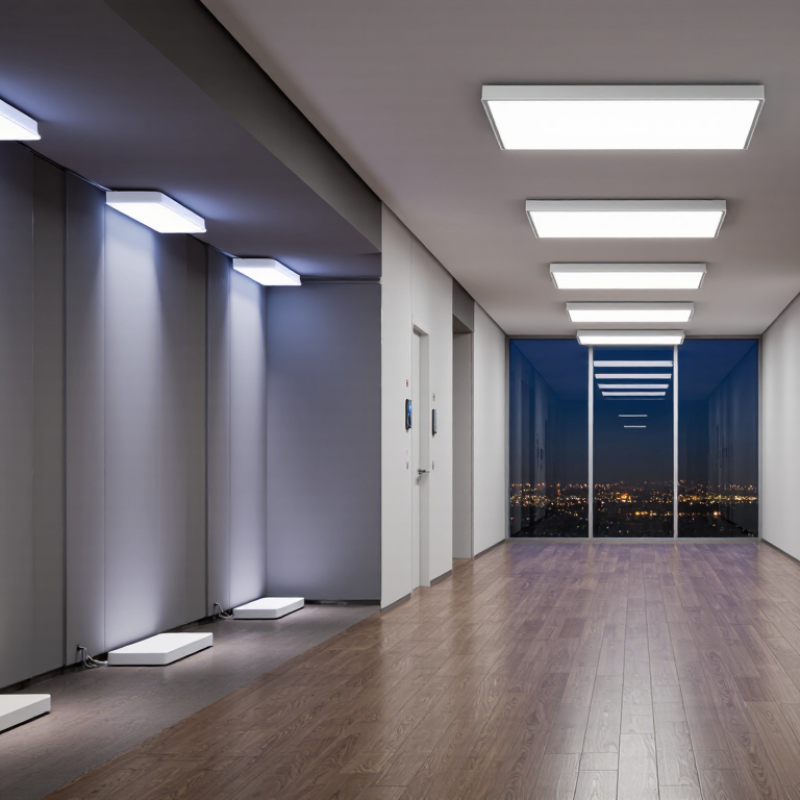
Dimmable LED lighting uses light-emitting diodes with a compatible driver that controls electrical output. The driver converts household alternating current into steady, low-voltage power for the LED circuit. When you adjust a wall control, the system reduces current or switches the diode rapidly through pulse-width modulation. Your eyes see a softer, continuous glow.
Not every LED accepts dimming. A non-compatible lamp may flicker, buzz, or fail to reach a low setting. Compatibility between the lamp, driver, and dimmer matters more than wattage alone. Energy use falls because a dimmed LED usually receives less electrical power. At half brightness, it does not always consume exactly half the energy. Driver efficiency, minimum load, and control method affect the result.
For example, a kitchen fitting set to 40 percent can draw noticeably less power during evening preparation. The saving becomes more meaningful when lights operate for many hours. In practice, use a power meter when precise performance matters. Installation experience also reveals small problems. Some controls need a neutral wire, while others work through the lighting circuit. Loose connections can create flicker, while poor heat management can shorten LED life. I would test the lowest setting before installing several fixtures. A comfortable dim level may still waste energy if the room remains overlit. That is an easy detail to miss.
When a dimmable LED fixture operates below full brightness, its electrical load usually falls. That simple change can reduce consumption during daylight, presentations, or quiet evening hours. Instead of producing 1,000 lumens constantly, a room may need only 500. Less light can mean less power. However, savings are not perfectly proportional. LED drivers still use a small amount of electricity, even at low output. Driver design, dimming method, and minimum operating level all affect the result.
In a small office, I have seen lights remain at full brightness despite strong sunlight through nearby windows. Adjusting them manually improved comfort and reduced unnecessary electricity use. A power meter can verify this change at the fixture or circuit. For reliable results, compare wattage at full, half, and minimum brightness. Record the readings during normal working hours. Occupancy sensors and daylight controls can make dimming more consistent, especially when people forget to adjust switches.
The savings depend on habits. A dimmer cannot reduce energy if users always choose maximum brightness. I once assumed a 50 percent dimming setting would cut power by exactly half. Real measurements challenged that assumption. Some systems saved less, while others performed better. Temperature, wiring, driver quality, and control compatibility also matter. Careful testing is essential. Dimming works best when the selected light level matches the actual task, not when the room simply looks bright.
How Does Dimmable LED Lighting Save Energy?
The Role of LED Efficiency in Energy Savings
LED efficiency is the main reason dimmable lighting can reduce electricity use. LEDs convert more electrical energy into visible light than traditional bulbs. Less energy becomes heat above the ceiling. That difference matters in homes, offices, and retail spaces.
Dimming adds another layer of savings. When a room needs only 40% brightness, the fixture can use substantially less power. However, savings depend on the LED driver and control system. Some fixtures dim smoothly, while cheaper systems may waste energy at lower settings. I once assumed every dimmed light used exactly half the electricity. A watt meter proved that assumption wrong. Real measurements are more useful than estimates.
Tips: Set lower brightness near windows and during quiet evening tasks. Choose compatible dimmers and check the fixture’s rated dimming range. Clean dusty lenses, because blocked light often encourages unnecessary brightness. Compare power readings at full and reduced output.
Good lighting design also improves efficiency. A focused beam can illuminate a desk without flooding the entire room. Occupancy sensors can turn lights down when spaces are empty. Still, automatic controls need careful adjustment. Overly sensitive sensors may frustrate users, causing them to disable the system. Energy savings then disappear. Small errors matter. Regular checks help confirm that efficient lighting remains efficient in daily use.
| Lighting condition | Approx. light output | Incandescent input power | Dimmable LED input power | Annual LED energy use | Annual energy saved | Energy reduction |
|---|---|---|---|---|---|---|
| Full brightness | 800 lumens | 60 W | 10 W | 10 kWh | 50 kWh | 83.3% |
| 75% brightness | 600 lumens | 45 W | 7 W | 7 kWh | 53 kWh | 88.3% |
| 50% brightness | 400 lumens | 30 W | 5 W | 5 kWh | 55 kWh | 91.7% |
| 25% brightness | 200 lumens | 15 W | 3 W | 3 kWh | 57 kWh | 95.0% |
| Estimated annual electricity-cost savings at full brightness: $8.00 per lamp | ||||||
Dimmable LED lighting saves energy by matching light output to actual needs. A fixture running at 50% brightness usually uses less power than one operating at full output. However, savings vary by fixture, control system, and room conditions. The dimming curve is not always perfectly linear. Half the brightness may not mean half the electricity.
The dimmer and LED driver must work together. An incompatible control can cause flickering, buzzing, or unstable output. It may also waste energy through inefficient operation. Check the fixture’s rated dimming range before installation. In offices, occupancy sensors can reduce energy use when rooms are empty. Daylight sensors help near windows, where full brightness is often unnecessary. Small adjustments matter.
Operating hours also influence the final result. A hallway dimmed overnight may save more energy than a rarely used meeting room. Dirt on lenses and poor placement can encourage users to increase brightness. That weakens the expected savings. I recommend measuring power with a suitable meter before and after adjustment. Real buildings are often messier than calculations. User comfort must remain part of the assessment. Excessive dimming can create shadows, eye strain, or complaints, leading people to override the system. A practical setting should balance visibility, comfort, and measured electricity use.
Choosing and using dimmable LEDs efficiently starts with matching the lamp, dimmer, and fixture. The U.S. Department of Energy reports that LEDs use at least 75% less energy than incandescent lighting. They can also last up to 25 times longer. Dimming reduces light output and usually lowers power demand. However, savings are not always proportional. Some drivers consume standby power, even at very low brightness. The International Energy Agency also identifies efficient lighting as an important opportunity for reducing global electricity demand.
Check the dimmer’s minimum load and compatibility before installation. Select the required lumens, rather than comparing wattage alone. A warm color temperature, such as 2700K to 3000K, suits bedrooms and living areas. Higher color rendering helps kitchens, workshops, and retail displays. Look for clear performance data, flicker information, and suitable operating temperatures. Heat still matters. Poor ventilation can shorten LED life, despite its efficient design. A perfect energy calculation is uncommon; real rooms, habits, and controls change the result.
Tips: Use occupancy sensors in rarely used spaces. Set a comfortable lower level, not maximum brightness. Test one lamp first. Watch for buzzing, flicker, or delayed starting. These signs may indicate an incompatible dimmer. Keep a simple monthly energy record. It may reveal that the “efficient” setting is used less often than expected.
It uses LEDs and a compatible driver to control electrical output. The driver converts household alternating current into steady, low-voltage power.
It lowers current or switches the LEDs rapidly. Your eyes perceive this as a smooth, softer glow.
No. Non-compatible lamps may flicker, buzz, start slowly, or stop before reaching a low setting.
No. Lower brightness usually reduces power demand, but savings are rarely perfectly proportional. Driver efficiency and minimum load affect the result.
Use a power meter at full, half, and minimum brightness. Record readings during normal evening or working hours.
Match the lamp, driver, fixture, and dimmer. Check minimum load, wiring needs, flicker information, and operating temperature.
Yes. Loose connections can cause flicker. Poor ventilation can create heat and shorten LED life.
Choose the lowest comfortable level for the task. A kitchen may need brighter light than a hallway, but overlighting still wastes energy.
Occupancy and daylight sensors can lower brightness when rooms are empty or sunlight is strong. Manual habits are less reliable.
Test one lamp first. Check the lowest setting for buzzing, flicker, and delayed starting. Real rooms may challenge neat calculations.
Dimmable LED lighting allows users to adjust brightness according to their needs instead of operating at full power all the time. How does dimmable LED lighting save energy? By lowering light output when maximum brightness is unnecessary, it reduces the electricity used by the fixture and can also support longer operating life. LEDs are already highly efficient because they convert more electricity into light and produce less wasted heat than many traditional sources, making dimming even more effective.
Actual energy savings depend on factors such as dimming levels, daily usage, fixture efficiency, dimmer compatibility, installation quality, and the type of space being illuminated. To use dimmable LEDs efficiently, choose compatible components, select an appropriate brightness level, avoid unnecessary over-lighting, and use timers, sensors, or smart controls when practical. With suitable installation and thoughtful lighting habits, dimmable LED systems can lower energy consumption while maintaining comfortable, flexible illumination.

Senning Lights