In the world of stage production, longevity of equipment is crucial. For lighting professionals, understanding *how to extend the service life of stage lighting controllers* can save significant costs over time. Reports indicate that 70% of equipment failures arise from improper maintenance. Regular upkeep plays a pivotal role in optimizing performance and ensuring reliability.
Lighting expert David Green states, “Proper care of lighting controllers extends their lifespan, resulting in better shows and fewer replacements.” This highlights the need for meticulous attention to detail in maintenance routines. Controllers can be complex, and common missteps can lead to premature failure. For instance, dust accumulation can cause overheating, diminishing the integrity of the device.
Investing in quality initial setup is important. However, it is equally vital to implement disciplined usage protocols. Balancing these can lead to improved performance and reduced downtime. By embracing best practices, the industry can benefit not only from efficiency but also from sustainability. Reflecting on the nuances of this field reveals that sometimes, even small adjustments can yield significant benefits in the long run.
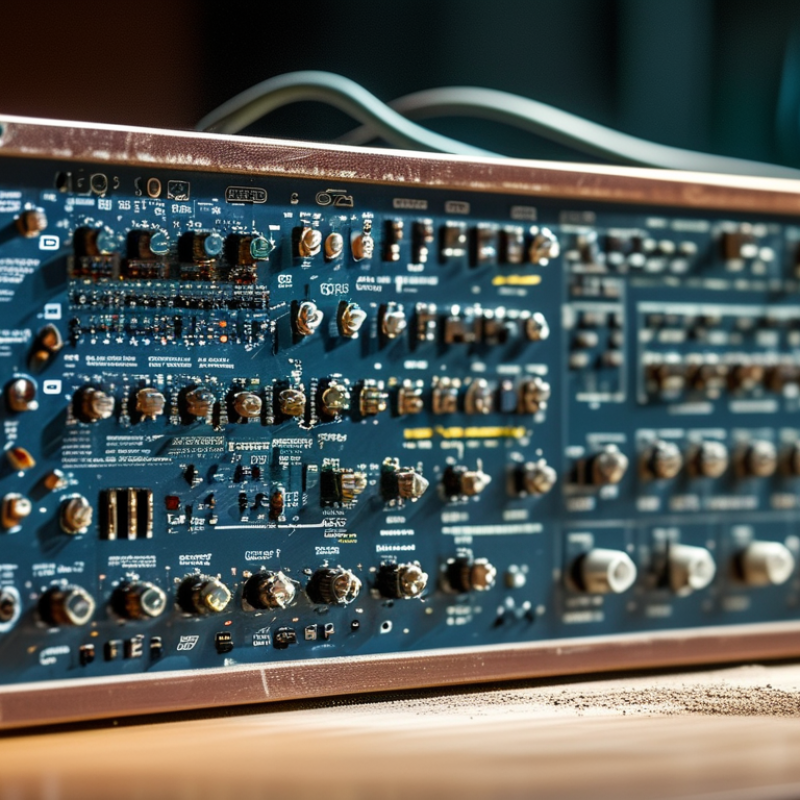
Stage lighting controllers play a crucial role in creating memorable performances. Regular maintenance practices can significantly extend their lifespan and ensure consistent performance. The American Institute of Theatre Technology suggests that routine inspections should happen at least twice a year. These inspections allow for early detection of potential issues, preventing costly repairs down the line.
Cleaning is an essential part of maintenance. Dust and debris can accumulate in sensitive components, affecting performance. A simple microfiber cloth can effectively clean the exterior. It's advisable to check the internal components every year. If you notice any abnormalities such as flickering lights, it may indicate deeper issues. Ignoring these signs can lead to malfunction and additional repair costs. It's surprising that about 30% of technical failures stem from inadequate maintenance.
Proper calibration of controllers is equally important. Over time, settings can drift, creating inconsistencies in light output. Regularly updating software and firmware is also key. According to a report from the Entertainment Services and Technology Association, updated software can improve performance by up to 40%. However, many users overlook this vital step. Neglecting these practices may lead to short-lived controllers and unsatisfactory performances.
Environmental factors play a significant role in the lifespan of stage lighting controllers. Variations in temperature, humidity, and dust accumulation can significantly impact the performance and durability of these devices. Controllers often operate in diverse environments, from concert venues to film sets. Understanding the conditions they work in is crucial for longevity.
To extend the lifespan of your lighting controllers, consider maintaining optimal environmental conditions. Avoid exposing them to extreme temperatures or humidity levels. A climate-controlled environment can reduce stress on the components. Dust can accumulate and cause overheating. Regularly clean your equipment to prevent this issue.
**Tips:** Use covers when not in use. Store controllers in dry, cool places. Implement routine checks to listen for unusual sounds. This proactive approach may prevent future problems. With diligence, you can improve the reliability of your lighting controllers. Keep in mind, even minor neglect can lead to significant repairs down the line.
| Environmental Factor | Impact on Lifespan | Recommended Action |
|---|---|---|
| Temperature Extremes | Increases risk of component failure | Maintain stable room temperature |
| Humidity Levels | Can cause corrosion and short circuits | Use dehumidifiers if necessary |
| Dust and Debris | Can block ventilation and lead to overheating | Regular cleaning and maintenance |
| Vibration | May loosen connections and components | Securely mount controllers |
| Power Supply Fluctuations | Can damage sensitive electronics | Use surge protectors |
Regular software and firmware updates are crucial for extending the lifespan of stage lighting controllers. These updates not only fix bugs but also enhance performance. Data from industry reports indicate that nearly 30% of lighting system failures stem from outdated software. Failure to update can lead to compatibility issues with newer lighting technologies, reducing system efficiency.
Adopting a proactive approach to updates is recommended. Schedule updates during low-usage periods to minimize disruption. This is a critical consideration for busy theaters and event spaces. Moreover, observing how updates affect system performance in real-time can provide insights into potential improvements. Some controllers may respond poorly to certain updates, leading to frustration for users.
The industry sees advancements quickly, with 75% of lighting professionals agreeing that regular updates can improve system longevity. However, users often overlook this necessity. Investing time in understanding the update process is essential. Conducting thorough testing after each update can reveal whether the optimization aligns with expectations. Recognizing that even small changes in software can impact the controller's lifespan is vital.
When it comes to stage lighting controllers, quality components make a significant difference. Investing in durable materials ensures consistent performance over time. Cheaper components may save money, but they often fail when you need them most. It’s essential to understand the connection between quality and longevity in these devices.
Using high-quality capacitors and resistors can prevent common issues. For example, a robust switch can withstand repeated use without failing. Lighting setups can be complex, and a single faulty part can disrupt an entire show. Therefore, prioritizing superior components can minimize risks and enhance reliability.
It’s worth noting that not all expensive components guarantee better performance. Research and reviews are crucial. Examine the experiences of professionals in the field. Look for those who have faced challenges and learned from them. This reflection can guide your choices and yield better results in the long run. Choose wisely, and your lighting controllers will serve you well through countless productions.
Well-trained staff are crucial for extending the lifespan of stage lighting controllers. Proper usage and handling significantly reduce wear and tear. According to a 2022 report from the Entertainment Technology Association, improper handling contributes to over 30% of equipment failures. Training staff can minimize this risk. It not only promotes safe operations but also ensures the equipment performs as intended.
Create a training program that covers installation, operation, and maintenance. Use hands-on demonstrations to enhance learning. Encourage staff to ask questions. Consider following up with evaluations to ensure everyone understands the material. Regular refresher courses can reinforce skills and increase confidence.
Tips for effective training:
Even with training, errors can occur. Staff may misinterpret instructions or overlook maintenance tasks. Recognizing these common pitfalls is essential. Continuous learning helps staff adapt and improve their skills.
: Temperature, humidity, and dust accumulation play significant roles in durability. They can impact performance clearly.
Maintain optimal conditions. Avoid extreme temperatures and humidity. Regularly clean equipment and check for dust.
Trained staff reduce wear and tear. Improper handling is a major cause of equipment failures, accounting for over 30%.
It should cover installation, operation, and maintenance. Hands-on demonstrations enhance learning and retention.
Regular refresher courses are vital. They help reinforce skills and boost staff confidence in using the equipment.
Misinterpreting instructions or neglecting maintenance tasks is common. Acknowledging these errors helps improve practices.
Yes, visual aids can strengthen learning. They help clarify complex concepts and enhance understanding effectively.
Store them in dry and cool locations. Avoid areas with high humidity or temperature fluctuations to prevent damage.
Implement routine checks and listen for unusual sounds during operation. Early detection may prevent bigger issues.
Absolutely. Minor oversights can lead to costly repairs down the road. Stay proactive to ensure reliability.
To extend the service life of stage lighting controllers, it is essential to implement best practices for regular maintenance, which helps to prevent issues and ensure optimal performance. Understanding the environmental factors that affect the lifespan of these controllers is crucial; extreme temperatures, humidity, and dust can all lead to premature failure. Additionally, regularly optimizing software and firmware updates can enhance functionality and longevity, keeping the controllers up-to-date with the latest features and security measures.
Investing in quality components is another critical aspect, as it directly impacts the performance and durability of the equipment. Lastly, proper training for staff on the correct usage and handling of lighting controllers minimizes the risk of mishandling and misuse, ultimately prolonging the controllers' operational lifespan. By incorporating these strategies, one can effectively address how to extend the service life of stage lighting controllers.

Senning Lights