LED lighting has become increasingly popular in recent years due to its energy efficiency and longevity. However, many consumers often wonder, "What factors affect the brightness of LED lighting products?" Understanding these factors is crucial for making informed choices about lighting options.
Brightness is not solely determined by wattage. Lumens, the unit of measurement for light output, also play a key role. The quality of the LED chip and the design of the fixture significantly influence brightness levels. For instance, a well-engineered fixture can amplify light output more effectively than a poorly designed one.
Color temperature and the materials used in manufacturing also impact perceived brightness. Different color temperatures can create varying illusions of brightness. Additionally, the interaction between the light and surrounding surfaces is often overlooked. Reflective surfaces can enhance brightness perception, while darker walls may absorb light, making the area feel dimmer. Exploring these aspects requires a blend of expertise and practical experience. Understanding these variables not only enhances purchasing decisions but also inspires a deeper appreciation for LED technology.
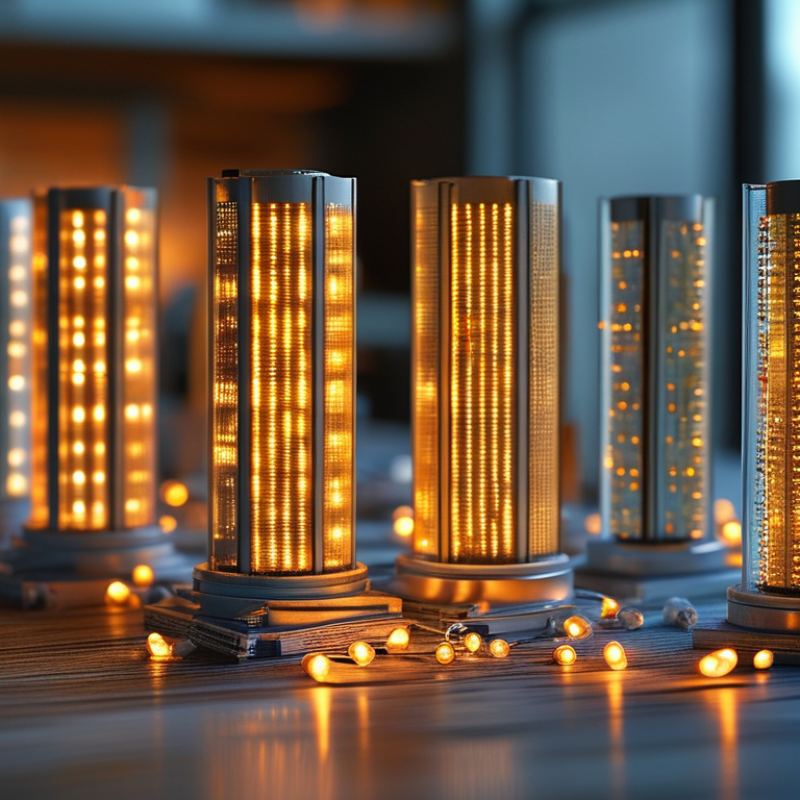
Brightness in LED lighting is influenced by various factors that warrant attention. Understanding these elements is crucial for effective application. One primary factor is the type of LED chip used. Different chip technologies, such as those based on phosphor-converted LEDs versus direct-bonded chips, result in varying light outputs. Reports indicate that upward of 80% of perceived brightness comes from the efficacy of the LED chip itself.
Power input also plays a role in determining brightness. A higher wattage typically leads to increased lumens output. However, oversupplying current can cause thermal runaway, reducing lifespan. Studies have shown that thermal management systems can mitigate this issue, maintaining consistent brightness. Moreover, color temperature affects how brightness is perceived. Cooler temperatures, above 5000K, can appear brighter than warmer tones, even at the same lumen output.
Reflectors and optics are additional factors that can enhance or diminish brightness. The angle and material of reflectors significantly affect how light is dispersed in a space. A study reported that specific optical designs can boost efficiency by over 20%. These nuances illustrate the complexity of LED lighting, highlighting the need for thorough evaluation of all contributing factors in brightness assessment.
: Luminous flux measures the total visible light emitted by a source per unit time. It's essential for understanding brightness.
Luminous flux is measured in lumens (lm). Higher lumen counts indicate greater brightness.
LED chip efficiency, drive current, and optics in the fixture affect luminous flux. Heat management also plays a role.
If one LED overheats, it may reduce its effective luminous output, leading to different brightness levels.
A cooler light may seem brighter than a warmer one, even with the same lumen output.
The materials and design of LED chips influence efficiency and brightness, balancing between energy savings and intensity.
Overheating can reduce brightness and the lifespan of LEDs; proper heat sinks are necessary for optimal performance.
Stable power supply and quality drivers ensure consistent brightness. Poorly designed components can lead to flickering and reduced lifespan.
Many focus only on LED specs, ignoring power supply and driver quality. This can lead to subpar lighting and higher costs.
Understanding these components can enhance lighting quality and longevity, leading to better overall satisfaction with LED products.
The article "How to Determine What Factors Affect LED Lighting Brightness?" explores the key elements that influence the brightness of LED lighting products. It begins with an overview of the various factors, emphasizing the importance of understanding luminous flux, which is the measurement of light output in LED technology. The article delves into the critical role of LED chip technology, discussing how different designs and materials can impact lighting output significantly.
Additionally, the impact of power supply and drivers on LED brightness is examined, highlighting how inconsistent power delivery can lead to variations in brightness levels. Lastly, the article addresses environmental conditions, particularly the effects of temperature, on LED performance. Understanding these elements is crucial in answering the question, "What factors affect the brightness of LED lighting products?" by providing insights into the interplay between technology and environmental influences on LED efficacy.

 Senning Lights