In the world of stage production, proper setup is crucial. Renowned lighting designer, James Collins, emphasizes, "The right installation can transform a performance." When considering how to install intelligent stage lighting correctly, one must focus on both aesthetics and functionality. Poor installation can lead to technical failures and a lack of audience engagement.
Attention to detail is essential. Cables should be neatly organized, and fixtures must be securely mounted to prevent accidents. An intelligently designed system enhances not only the visual experience but also the safety of the performers and crew. Companies often overlook these aspects, resulting in costly errors.
While mistakes are common, awareness can help. Regular checks and maintenance can prevent future failures. Acquiring the right knowledge is vital for success. Understanding how to install intelligent stage lighting correctly is a blend of art and technical expertise. Investing time in research pays off significantly on the stage.
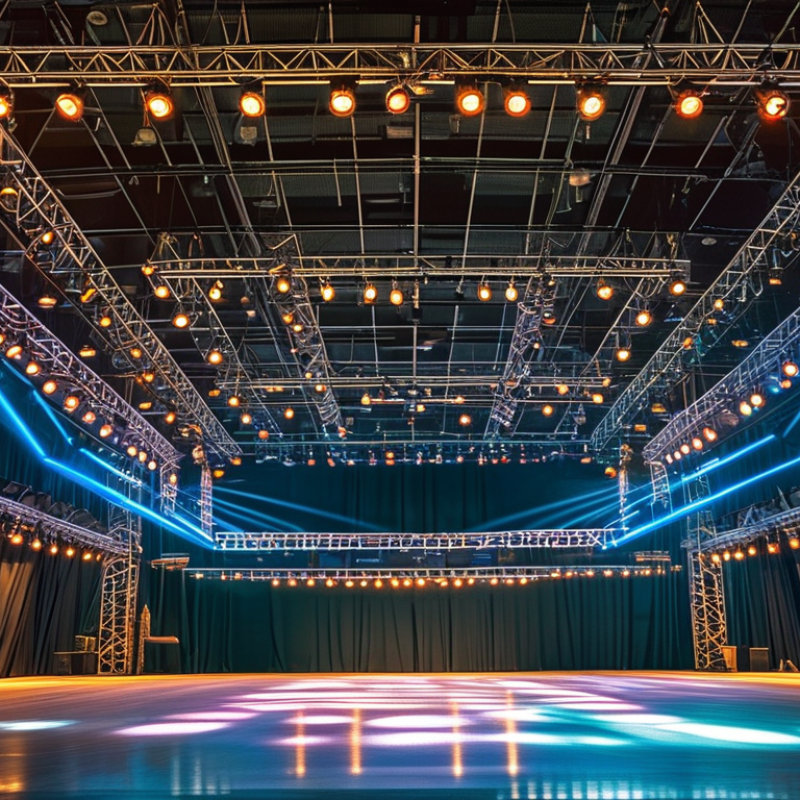
Proper installation of intelligent stage lighting is crucial for effective performance and audience impact. Incorrect setups can lead to equipment damage and safety hazards. Ensuring that each fixture is correctly positioned enhances the visual experience and maintains safety standards.
Using the right tools and techniques is vital. Always check for proper alignment before securing lights in place. Test the angles and positions during rehearsals. Small adjustments can drastically improve the overall outcome.
Pay attention to power supply placement. It should be secure and accessible. Avoid overloading circuits, as this can lead to failures. Regular inspections are necessary to maintain functionality. Always prioritize safety and efficiency in your installation process.
Intelligent stage lighting systems transform performances into unforgettable experiences. Understanding key components is essential for optimal setup. One critical element is the lighting console. This device controls all aspects of the lighting design. A reliable console ensures smooth transitions between scenes.
Another important component is the fixtures themselves. These include moving heads, LED lights, and spotlights. Selecting the right fixtures can greatly influence the atmosphere. Each type offers different colors and effects. However, improper placement can lead to uneven coverage. Testing the angles and distances is crucial for achieving the desired outcome.
Cabling is often overlooked but is vital for performance. High-quality cables minimize signal loss and ensure safety. Neglecting proper cable management can result in tripping hazards. It’s a small detail that can lead to big problems. Regular maintenance checks should be a routine task. Assessing each component promotes a safer, more efficient lighting system.
| Component | Description | Importance | Common Issues |
|---|---|---|---|
| Control Console | Central unit to manage lighting cues and effects. | Ensures synchronized operation of lights. | Incorrect programming can lead to malfunctions. |
| Lighting Fixtures | Various types of lights, including LEDs and moving heads. | Determines the quality and type of lighting effects. | Poor positioning can cause uneven lighting. |
| DMX Cables | Cables used for communication between devices. | Crucial for reliable data transfer. | Damaged cables can disrupt signal flow. |
| Power Supply | Provides electrical power to the lighting system. | Necessary for functionality and safety. | Inadequate power can lead to failures. |
| Mounting Hardware | Brackets and clamps for securing lights. | Ensures stability and safety of the installation. | Improper installation can cause accidents. |
Installing intelligent stage lighting involves careful planning and execution. Proper setup is crucial for achieving the desired effects. Research indicates that well-installed lighting can enhance audience engagement by up to 70%. This statistic highlights the importance of doing it right.
Start with a clear design plan. This should outline the positioning of each light fixture. Consider the size and shape of the stage. Place lights where they can create depth and dimension. For instance, uplighting can add drama to the performance space. Install control systems next. These allow for seamless integration of lighting cues and effects. According to industry standards, improperly installed systems can lead to 30% inefficiency in lighting performance.
Finally, testing is essential. Check each light for functionality. Make adjustments based on visibility and color blending. It’s common to find issues during testing. Overlooking small details can lead to significant problems during performances. Continuous monitoring and adjustments improve the overall experience. Regular maintenance post-installation is also recommended. It ensures longevity and reliability. Engaging certified professionals can further enhance installation quality.
When installing intelligent stage lighting, attention to detail is vital. Many common mistakes can compromise your lighting design. For instance, improper positioning can create unwanted shadows. According to a report by the International Journal of Lighting Design, about 40% of lighting failures are due to poor angles and heights. An effective placement strategy is crucial.
Another frequent error involves insufficient power supply. Insufficient wattage can lead to flickering, affecting performance. A survey from the Venue Managers Association indicates that more than 30% of stage lighting issues arise from inadequate power management. Ensuring a reliable electrical source is essential for smooth operation.
Tips: Always double-check your power requirements before installation. It is wise to plan and map out the light arrangement. Consider potential obstacles that might obstruct light flow. Test each light fixture individually to ensure optimal performance. This practice can save you from future headaches. Remember, attention to these details enhances performance and audience engagement.
Installing stage lighting is a crucial aspect of any performance venue. Ensuring that lighting systems are installed correctly can significantly impact the quality of a show. Professional installers bring valuable experience to the table. They understand how to maximize the potential of lighting technology. This expertise helps in creating the desired atmosphere for concerts, theater plays, and events.
When stage lighting is installed correctly, it enhances visibility and sets the mood. Professionals can strategically position lights for optimal effect. They know how to minimize shadows and avoid harsh glares. However, improper installation can lead to uneven lighting. This can create distracting visual elements and negatively affect audience experience. Moreover, hiring experienced technicians often ensures safety, which should never be compromised.
Investing in professional installation can save time and resources in the long run. It may seem costly upfront, but the results speak for themselves. Unqualified installations can lead to frequent repairs or replacements. This can disrupt performances and lead to loss of revenue. Thoughtful installation fosters reliability and can elevate production quality to new heights.
: Improper positioning can create shadows. Insufficient power supply often leads to flickering.
Poor angles and heights contribute to around 40% of lighting failures. Shadows can distract the audience.
Always double-check your power requirements. Plan and map out the light arrangement carefully.
Professionals maximize lighting technology potential. They create the desired atmosphere for events effectively.
Uneven lighting can create distracting visual elements. It can negatively impact the audience's experience.
Insufficient wattage often leads to flickering lights, disrupting the show. Reliable power supply is essential for operation.
Yes, investing in professionals prevents frequent repairs. Costly mistakes can arise from unqualified installations.
Consider potential obstacles that might obstruct light flow. Strategic positioning minimizes shadows and harsh glares.
Details enhance performance and audience engagement. Small oversights can lead to significant issues later on.
Test each fixture individually to ensure optimal performance. This can help identify problems early on.
Proper installation of intelligent stage lighting is crucial for achieving optimal performance and enhancing the overall visual experience. Understanding the key components of intelligent stage lighting systems and following a structured step-by-step guide on how to install intelligent stage lighting correctly can significantly impact the effectiveness of your lighting design. Common installation mistakes, such as improper placement or incorrect wiring, can lead to subpar results and safety hazards.
Additionally, opting for professional installation can provide numerous benefits, including expert advice, time savings, and a higher guarantee of a successful setup. By prioritizing proper installation techniques and avoiding common pitfalls, you can ensure that your intelligent stage lighting functions seamlessly, creating stunning visual effects for your audience.
Senning Lights