Installing intelligent stage lighting requires expertise and precision. According to renowned lighting designer David H. Lee, "How to install intelligent stage lighting correctly is the key to an unforgettable performance." His insights emphasize the importance of proper setup. A well-lit stage can transform any event, but the installation process is crucial.
When considering how to install intelligent stage lighting correctly, it's essential to focus on both positioning and programming. Each light should enhance the overall effect without overshadowing other elements. Improper placement can lead to uneven lighting or unwanted shadows, impacting the audience's experience.
Attention to detail is vital. Each connection must be secure, and settings calibrated for specific performances. Test runs are necessary to avoid surprises during live shows. Even experts learn from mistakes, stressing the need for continuous improvement. Effective lighting design can elevate a production, but only if installed with care and precision.
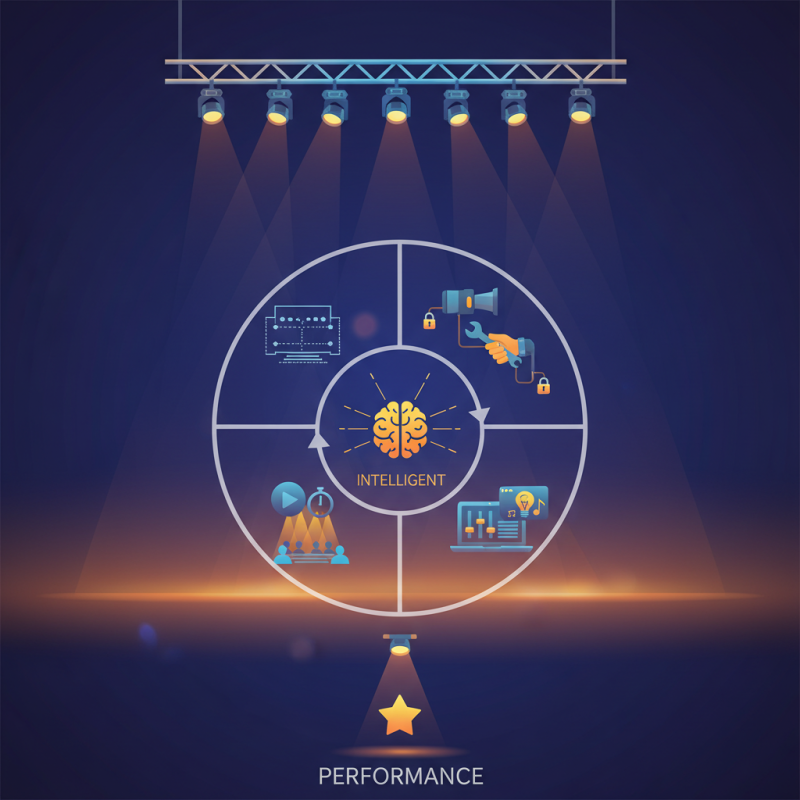
Intelligent stage lighting systems consist of several crucial components that enhance performance. Understanding these parts is essential for achieving the best results. Key components include moving head lights, LED fixtures, control boards, and dimmers. Each element plays a specific role in creating dynamic visual experiences.
Moving head lights offer versatility. They can pan, tilt, and change color. This flexibility allows for rapid scene changes. LED fixtures provide vibrant colors and energy efficiency. They consume less power while delivering bright outputs. Control boards act as the brain, orchestrating all lighting elements. Properly programming these controls can lead to captivating shows.
Dimmers may seem simple, yet they are vital. They control light intensity and create subtle transitions. However, issues can arise if not calibrated correctly. Overloading circuits can lead to flickering or failure. Reflecting on these challenges helps enhance future setups. Understanding each component's function ensures optimal performance and a memorable audience experience.
When assessing a venue's requirements for optimal lighting setup, it's crucial to analyze various factors. Venue size is fundamental. A study by the Entertainment Services and Technology Association (ESTA) indicated that larger spaces require more sophisticated lighting designs. High ceilings and expanses demand powerful fixtures to ensure adequate coverage. Without proper analysis, even advanced systems may fail to deliver the desired effects.
Another aspect to consider is the nature of the event. For instance, concerts may need dynamic changes in lighting, while corporate events benefit from a more uniform approach. According to a report from the International Association of Venue Managers (IAVM), 70% of attendees say lighting greatly affects their overall experience. Failing to tailor the lighting setup can lead to underwhelming performances. Lighting not only enhances ambiance but also directs attention.
Acoustics and existing architecture play significant roles in lighting efficacy. Reflections and shadows can alter the visual impact of the setup. A previous survey revealed that 40% of technicians wish they had more control over environmental factors. It's often a challenge to balance artistic intent with the venue's limitations. An ideal lighting design requires constant evaluation and sometimes, compromises on initial visions.
| Venue Type | Room Size (sq ft) | Ceiling Height (ft) | Lighting Requirements | Recommended Fixtures |
|---|---|---|---|---|
| Concert Hall | 2000 | 30 | Dynamic RGB Lighting, Spotlights | LED Par Cans, Moving Head Lights |
| Theater | 1500 | 25 | Warm Lighting, Adjustable Spotlights | Ellipsoidal Reflector Spotlights, LED Fresnels |
| Night Club | 3000 | 12 | Colorful Effects, Laser Lighting | Strobe Lights, Laser Projectors |
| Corporate Event Space | 2500 | 20 | Clear & Bright Lighting | LED Panels, Source Four Lights |
| Outdoor Festival | 5000 | Varied | Portable & Durable Lighting Solutions | Stage Lighting Towers, Generators |
Installing intelligent stage lighting involves careful planning and precision. Begin by assessing your performance space. Measure dimensions and identify key areas needing coverage. This helps tailor your lighting setup effectively. It is crucial to position lights where they will create the desired mood and visibility while avoiding any glare or shadows.
Next, gather your fixtures and tools. Mounting brackets, cables, and a reliable controller are essential. Pay attention to the weight and placement of each light. This ensures safety and stability. Double-check electrical connections. Faulty wiring can lead to unreliable performance. It’s often easy to overlook this step, but doing so can save you significant headaches later.
Finally, program the lighting effects. Experiment with different settings and colors. Take notes on what works best for your show. Not every setup will yield immediate results. You may find that adjustments are necessary after the initial tests. Remain flexible and open to changes. A successful installation often requires patience and a willingness to learn from mistakes.
Adjusting and programming intelligent stage lighting can dramatically enhance your performance. Start by determining the atmosphere you want to create. Consider the mood of each segment. Bright colors can elevate energy, while softer lights may evoke emotions.
When programming your lights, pay attention to timing. Synchronize lighting changes with music cues. This adds excitement and depth. Experiment with different effects to see what resonates with your audience. Sometimes, less is more. Using too many effects can distract from the performance itself.
Tip: Always test your setup before the actual event. Take note of how different settings impact the space. This trial and error is crucial. Reflect on the feedback from peers or audience members. It's through this process that you will find your unique lighting style. Adjust as needed to ensure your final setup fits your performance theme effectively.
When installing intelligent stage lighting, testing and troubleshooting are crucial for achieving peak performance. Begin by checking the alignment and focus of each light. Misalignment can lead to uneven lighting and shadows. Use a laser pointer to verify exact positions. Adjust the fixtures accordingly to ensure proper coverage of the stage.
Regular testing can reveal hidden flaws in the lighting system. Monitor color consistency and brightness levels. A dim light can indicate a faulty bulb, while flickering may suggest electrical issues. Take the time to replace any malfunctioning components immediately. Don’t overlook the importance of checking cables and connections. Loose wires can disrupt the entire setup, leading to a chaotic performance.
Documentation throughout the testing process is essential. Note any problems and their solutions. This record can help streamline future installations and decisions. Keep in mind that even a well-planned setup might have unexpected challenges. Adaptability is key. Each performance has its unique circumstances that can affect lighting outcomes. Be prepared to modify and rethink your strategies for optimal results.
: Key components include moving head lights, LED fixtures, control boards, and dimmers. Each has a specific role.
They can pan, tilt, and change color, allowing rapid scene changes and dynamic visual experiences.
They provide vibrant colors and energy efficiency, consuming less power while delivering bright outputs.
Control boards orchestrate all lighting elements. Proper programming is crucial for captivating shows.
Dimmers control light intensity and create transitions. Incorrect calibration can lead to flickering or failure.
Larger venues need more sophisticated designs and powerful fixtures for adequate coverage.
Concerts require dynamic lighting, while corporate events benefit from uniform setups. Tailoring is essential.
Reflections and shadows can alter the visual impact. This balance can be challenging to achieve based on venue limitations.
Check alignment, focus, color consistency, and brightness levels. Documenting issues and solutions is also crucial.
Each performance has unique challenges. Being prepared to modify strategies can lead to better lighting outcomes.
In the article "How to Install Intelligent Stage Lighting for Best Performance," we explore essential aspects of creating an optimal lighting setup for performances. The discussion begins with an understanding of the key components that make up intelligent stage lighting systems and emphasizes the importance of assessing the venue's requirements to ensure the best lighting arrangement.
The article presents a comprehensive step-by-step guide on how to install intelligent stage lighting correctly, detailing the process of installing fixtures, adjusting settings, and programming lighting for specific effects. Additionally, it offers valuable insights on testing and troubleshooting, ensuring that the lighting design performs at its peak during events. This holistic approach ensures that both technical and creative aspects are covered, maximizing the impact of intelligent lighting.

Senning Lights