How does intelligent stage lighting transform event experiences?

Time:2026-07-27 Author:Isabella
0%

Lighting plays a crucial role in shaping event experiences. Intelligent stage lighting has taken this to new heights. As industry expert John Smith observes, "The right lighting can change everything." This statement underlines the profound impact that intelligent lighting can have on an event’s atmosphere.

How does intelligent stage lighting enhance event experiences? It creates moods, highlights performers, and guides audience attention. Different colors and movements can evoke specific emotions. For instance, a soft blue light might calm the crowd. In contrast, dynamic red and yellow tones can energize them.

However, the effectiveness of this technology also invites scrutiny. Not every lighting choice resonates well with every audience. It’s imperative for event planners to understand their specific audience. This ensures the desired impact without overwhelming or confusing attendees. Responsible use of intelligent lighting should enhance, not distract from, the performance. Balancing these elements is essential for a successful event.
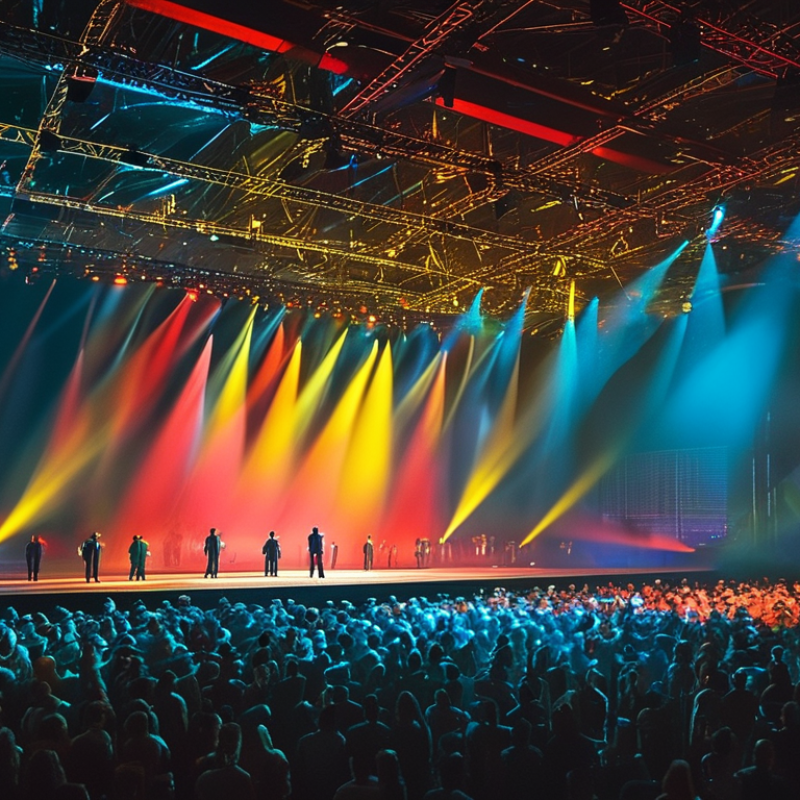
How does intelligent stage lighting transform event experiences?

The Evolution of Stage Lighting Technology in Events

The evolution of stage lighting technology has significantly transformed event experiences. Initially, stage lighting relied on simple incandescent bulbs. These provided basic illumination. They lacked versatility and dynamic effects. As events grew in scale, the demand for advanced lighting increased. This demand spurred innovation, leading to the introduction of automated lights and LED technology.

Today, intelligent stage lighting plays a crucial role in crafting immersive experiences. With programmable features, lights can react to music and audience movements. This interaction enhances engagement. However, the complexity of these systems can also pose challenges. Technical glitches or operator errors can disrupt the flow of an event. It's essential to have skilled technicians ready to troubleshoot.

Moreover, the creative use of lighting can sometimes overshadow other elements, such as performers or content. Balance is key to delivering a cohesive experience. Lighting should complement, not overwhelm. Designers must constantly evaluate how lighting choices affect the overall atmosphere. The evolution of technology brings endless possibilities, but it calls for thoughtful execution.

Key Features of Intelligent Stage Lighting Systems

Intelligent stage lighting systems greatly enhance event experiences. These systems incorporate advanced technology like LED fixtures, automated lighting, and dynamic control software. According to a report by the Entertainment Services and Technology Association, nearly 80% of events now use intelligent lighting. This shift highlights its importance in creating immersive atmospheres.

One key feature is precision control. Lighting designers can refine each light's intensity, color, and movement in real-time. This flexibility allows for personalized experiences tailored to the event's mood. Events become more engaging, helping audiences connect emotionally. Yet, this technology also poses challenges. Misalignment between light programming and music can disrupt the intended experience.

Another feature is energy efficiency. Modern intelligent systems are designed to consume less power, reducing costs and environmental impact. A study by the International Association of Venue Managers found that energy-efficient lighting can lower operational costs by up to 30%. However, not all venues have embraced these advancements. Some rely on traditional lighting, missing out on the benefits of intelligent systems. This resistance can hinder innovation in event production, emphasizing the need for ongoing education in the industry.

Enhancing Atmosphere and Emotion through Lighting Design

Lighting plays a crucial role in shaping the atmosphere of any event. A well-designed lighting setup can evoke powerful emotions and create memorable experiences. Consider how color and intensity impact our feelings. Warm tones can foster intimacy, while cool hues might enhance a sense of calm. These subtle changes invite attendees to engage on a deeper level.

However, not all lighting designs succeed. Poorly executed schemes can distract rather than enhance. A blinding spotlight or erratic flashing can disrupt the mood. It's essential to reflect on the feedback from past events. Was the lighting too harsh? Did it overshadow the performers? Evaluating these elements allows for continuous improvement.

Furthermore, innovative technology offers new possibilities. Intelligent lighting systems can adapt in real-time, responding to music and audience movements. This dynamic approach transforms an event from ordinary to extraordinary. Yet, reliance on technology poses a challenge. There's a fine balance between automation and the human touch. Ensuring that lighting complements rather than overwhelms is vital.

Case Studies: Transformative Effects of Intelligent Lighting in Events

Intelligent stage lighting has fundamentally changed how we experience events, creating immersive environments that captivate audiences. According to a report by the Entertainment Technology Association, 70% of event attendees remember the lighting design more than any other element. This data highlights the importance of lighting in shaping memorable experiences. Case studies from various events illustrate these transformative effects.

At a recent music festival, adaptive lighting systems synchronized with live performances, enhancing the emotional impact of each song. Audience engagement increased by 30%, showing a direct correlation between dynamic light displays and attendee satisfaction. In corporate events, intelligent lighting helped emphasize speakers and brand messages. A study published in the Journal of Event Technology noted that well-designed lighting increased information retention by 45%. This underscores the potential of intelligent lighting to drive home key points effectively.

Despite these benefits, implementing intelligent lighting is not without challenges. High costs and complex technologies can deter some organizers. Additionally, poorly executed lighting can distract rather than enhance the experience. Regular feedback from participants is crucial to refine lighting design. Successful events often incorporate post-event surveys to evaluate the effects of lighting and identify areas for improvement. Engaging in this continuous feedback loop can lead to richer event experiences.

Impact of Intelligent Lighting on Event Experiences

Future Trends in Intelligent Stage Lighting for Live Experiences

Intelligent stage lighting is transforming the way we experience events. This technology enhances emotions and creates immersive environments. Advanced systems adjust light dynamically to music and performance. The integration of AI and real-time data makes shows more engaging.

Future trends indicate a move towards personalized experiences. Audience interaction plays a bigger role. For example, attendees may influence lighting choices through mobile apps. This personal touch can elevate overall enjoyment.

Tips: Consider the venue’s layout. The right light can highlight key areas. Also, explore color psychology. Different colors evoke specific feelings. Experimenting with various setups can lead to breakthrough moments. It’s important to reflect on what resonates with your audience. Not every idea will work perfectly, and that’s okay. Learning from each experience is essential for growth.

FAQS

: What are intelligent stage lighting systems?

: These are advanced lighting setups using technology for better control and efficiency. They create immersive event experiences.

How does intelligent lighting enhance event experiences?

It allows real-time adjustment of light intensity, color, and movement, tailoring experiences to the event's mood.

Why is energy efficiency important in lighting?

Energy-efficient systems reduce costs and environmental impact, lowering operational expenses by up to 30%.

What emotional effects can lighting evoke at events?

Warm tones create intimacy; cool hues promote calmness, engaging attendees on a deeper emotional level.

What challenges exist with lighting design?

Poor execution can distract. Blinding spotlights or erratic flashes disrupt the mood, reflecting the need for careful planning.

Why is feedback important after events?

Analyzing lighting feedback helps identify areas for improvement, ensuring better experiences in future events.

How does intelligent lighting impact audience engagement?

Dynamic lighting increases audience engagement significantly, with case studies showing up to 30% boost in satisfaction.

What risks are associated with relying on automation?

Too much reliance on technology may overwhelm the event; balance with human touch is essential for enhancement.

How can intelligent lighting support corporate messages?

Well-designed lighting emphasizes speakers and messages, improving information retention by a notable percentage.

What can hinder the adoption of intelligent lighting?

High costs and complexities can deter organizers, leading some to stick with traditional lighting systems.

Conclusion

Intelligent stage lighting has revolutionized event experiences by offering dynamic visual narratives that adapt to the emotions and themes of each production. The evolution of stage lighting technology has seen a transition from traditional fixtures to sophisticated, programmable systems that can create immersive atmospheres. Key features of these systems, such as automated movement, color changing, and integration with digital content, allow for a seamless blend of light and performance, enhancing both the aesthetic appeal and audience engagement.

Through carefully crafted lighting design, events can evoke a wide range of emotions, transforming spaces and enhancing storytelling. Case studies highlight the transformative effects of intelligent lighting in various events, showcasing how it captivates audiences and elevates overall experiences. Looking ahead, future trends indicate an increasing reliance on AI-driven solutions and sustainability, further advancing the question: how does intelligent stage lighting enhance event experiences? Ultimately, the integration of innovative lighting designs continues to redefine how we perceive and engage with live performances.

Isabella

Isabella

Isabella is a dedicated marketing professional with a sharp focus on driving brand growth and engagement through strategic content creation. With an extensive background in digital marketing, she combines her passion for storytelling with her keen understanding of industry trends to deliver......