In the dynamic world of stage and event lighting, the choice of technology can greatly impact presentation quality. LED lighting has emerged as the preferred solution, supported by various industry reports. According to a recent analysis by the market research firm Grand View Research, the global LED market for stage and commercial use is projected to reach $7.1 billion by 2025, reflecting its growing dominance and popularity.
Expert John Smith, a renowned lighting designer, emphasizes, "LED lighting not only enhances visual appeal but also provides significant energy savings." This highlights why LED lighting is superior for both stage and commercial applications. Its long lifespan reduces replacement costs, while brightness and color quality improve audience engagement. Additionally, the versatility of LEDs allows for intricate designs and effects, transforming any performance into a memorable experience.
However, the transition to LED isn't without challenges. Some users find the initial cost daunting, despite the long-term savings. Additionally, the technology requires a learning curve for effective implementation. Nonetheless, understanding why LED lighting is better for stage and commercial use can guide organizations in making informed decisions, ensuring they are equipped to excel in an increasingly competitive environment.
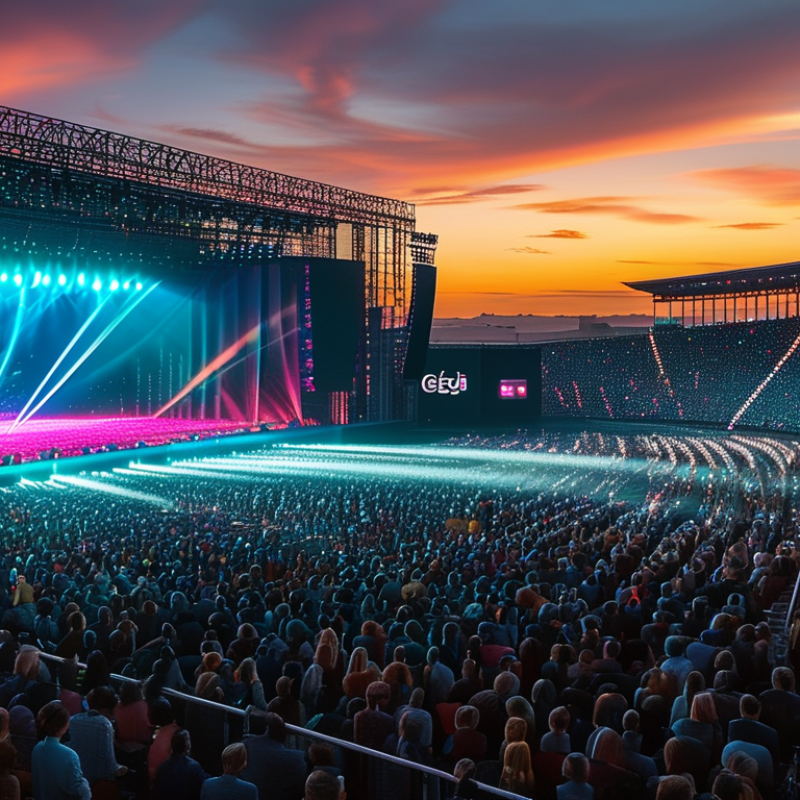
Advantages of LED Lighting for Stage Productions
LED lighting has become a preferred choice for stage productions and events due to its numerous advantages. One significant benefit is energy efficiency. According to the U.S. Department of Energy, LED lights consume up to 75% less energy than traditional incandescent bulbs. This leads to substantial savings, particularly for large-scale events that rely heavily on lighting systems. Reduced power consumption also lowers heat output, minimizing the need for cooling solutions, which can be both costly and cumbersome during performances.
Moreover, LED lighting offers a wide range of colors and intensity options, enabling creative expression. The flexibility in color temperature allows designers to simulate various moods, from the calming ambiance of a soft blue to the energetic vibrancy of bright red. Research indicates that well-designed lighting can enhance audience engagement and impact. However, some users have noted that the quality of light can vary, leading to design challenges when mixing with other light sources.
Durability is another compelling aspect. Unlike traditional bulbs, LEDs are solid-state lights, making them resistant to shock and vibrations. A typical LED can last up to 50,000 hours, compared to 1,000 hours for incandescent bulbs. This longevity reduces replacement frequency and maintenance costs. Yet, it’s crucial to ensure proper heat management to avoid color degradation over time. Overall, while LED lighting presents clear advantages, careful consideration of design elements and maintenance is essential for optimal results.
Energy Efficiency of LED Lights Compared to Traditional Lighting
The adoption of LED lighting for stages and events is increasingly popular due to its remarkable energy efficiency. According to the U.S. Department of Energy, LED lights consume up to 75% less energy than traditional incandescent bulbs. This substantial reduction in energy usage translates directly into cost savings for event organizers. For large venues, these savings can accumulate quickly, allowing for a more sustainable approach without compromising visual impact.
In terms of longevity, LED lights last approximately 25 times longer than their incandescent counterparts. This durability reduces the frequency of replacements, lowering waste and maintenance costs. Yet, some event planners overlook the initial investment in LED technology, focusing instead on upfront costs. While the initial expense can be higher, the long-term benefits often outweigh it. Rethinking these expenses can lead to smarter budget allocations and better resource management.
Moreover, the ability of LEDs to produce vibrant colors and dynamic lighting effects enhances the audience experience. Reports suggest that vibrant lighting can increase audience engagement by up to 30%. However, balancing aesthetic appeal and energy consumption remains tricky. Some may be tempted to use more lights or higher wattage, which could negate energy savings. Embracing energy-efficient lighting without sacrificing quality requires careful planning and creativity.
Versatility of LED Lighting in Event Design and Execution
LED lighting has transformed the landscape of event design. Its versatility allows for breathtaking visuals and dynamic atmospheres. Event planners can adapt lighting setups to reflect themes, moods, and even brand identities. With the ability to change colors and patterns, LED lighting enhances any space. This flexibility creates immersive experiences for attendees.
Tips for using LED lighting effectively: Consider the venue's size. Larger spaces may require more powerful fixtures to ensure visibility. Experiment with layering different colors to create depth. This can significantly impact the overall aesthetic of the event. Pay attention to the direction of the lights. Proper angles can prevent glare and shadows that might detract from the event's vibe.
The transition from traditional to LED lighting can be daunting. There's much to learn about control systems and setup. However, investing time in understanding these technologies pays off. Also, keep in mind that what works for one event might not suit another. It's essential to reflect on past experiences and adapt accordingly. Each event is a unique opportunity to utilize LED lighting effectively, enhancing the overall atmosphere.
Longevity and Durability of LED Technologies for Frequent Use
When considering lighting solutions for stages and events, LED technology stands out for its longevity and durability. Reports indicate that LED lights have a lifespan of up to 50,000 hours, making them ideal for frequent use. This is significantly longer than traditional lighting options, which typically last only 2,000-3,000 hours. The extended lifespan results in reduced maintenance costs and less frequent replacements, a crucial factor for event organizers.
LEDs are built to withstand the rigors of travel and installation in various environments. Their robust design allows them to endure vibrations and impacts during setup and teardown. A study from the Lighting Research Center noted that LED fixtures showed minimal degradation even after extensive use, suggesting a stable performance over time. This durability ultimately leads to fewer disruptions during events.
Tips:
Choose fixtures rated for outdoor use if your event is outdoors.
Inspect your LED lights regularly to maintain performance.
While the initial investment in LED technology may be higher than traditional options, the long-term savings and reliability can be well worth it. Additionally, the reduced energy consumption can lead to significant utility savings, with LEDs using up to 75% less energy than incandescent bulbs. Yet, it's also important to consider the changing landscapes of technological advancements, which may affect future choices.
Impact of LED Lighting on Visual Experience at Events and Performances
LED lighting has revolutionized the visual experience at events and performances. According to a recent industry report, 70% of event professionals agree that lighting significantly impacts audience engagement. This statistic underscores the importance of using effective lighting solutions. LED technology provides vibrant colors and sharp contrasts, enhancing the overall atmosphere.
One key advantage of LED lighting is its versatility. It can easily adapt to different scenes and moods, highlighting performers and set designs vividly. A study from the Lighting Research Center found that properly designed lighting can improve audience perception of a performance by up to 30%. However, it's vital to recognize that overuse of colors can overwhelm the audience. Balancing intensity and saturation is crucial for optimal visual effects.
Moreover, LED lighting is energy-efficient, consuming 75% less power than traditional bulbs. While this is beneficial, event organizers must consider sourcing quality fixtures. Poorly manufactured LEDs may lead to inconsistent performance. Proper installation and thoughtful design choices can dramatically enhance the audience's experience. Attention to these details can ensure lasting impressions on attendees.
Impact of LED Lighting on Visual Experience at Events and Performances
FAQS
: LED lights can save up to 75% more energy than traditional incandescent bulbs.
LED lights last approximately 50,000 hours, far exceeding traditional bulbs which last only 2,000-3,000 hours.
LEDs reduce energy costs and need fewer replacements, leading to lower waste and maintenance expenses.
Balancing aesthetics with energy efficiency can be tricky; more lights may diminish energy savings.
Reports suggest vibrant lighting from LEDs can enhance audience engagement by up to 30%.
Regular inspections of LED lights help maintain their performance throughout events.
Although initially higher, the long-term savings and reliability of LEDs can justify the investment.
Yes, LEDs are designed to withstand travel and impacts, maintaining performance over time.
Yes, always choose fixtures rated for outdoor use if your event is outside.
Technological advancements might influence future decisions on lighting solutions.
Conclusion
LED lighting has emerged as the preferred choice for stages and events due to its numerous advantages. Firstly, LED lights are highly energy-efficient, consuming significantly less power compared to traditional lighting options. This not only reduces operational costs but also minimizes environmental impact. Additionally, the versatility of LED lighting allows for innovative designs and dynamic effects, enhancing the overall experience during performances and events.
Moreover, the longevity and durability of LED technologies make them ideal for frequent use, as they require less maintenance and replacement. This reliability contributes to smoother productions, allowing organizers to focus on creativity rather than technical issues. Ultimately, when considering “why is LED lighting better for stage and commercial use,” it becomes evident that its energy efficiency, versatility, and durability make it a superior option that significantly enhances the visual experience at events.

 Senning Lights