In recent years, LED lighting has transformed stage and commercial applications. The transition from traditional lighting to LEDs is a noteworthy trend. Why is LED lighting better for stage and commercial use? This question encapsulates a growing interest in efficient, versatile, and sustainable lighting solutions.
LED technology offers significant advantages. Its low energy consumption reduces costs and minimizes environmental impact. Additionally, LEDs provide superior color rendering. This enhances visual experiences for live performances and commercial displays. Unlike conventional lights, LEDs have a longer lifespan, ensuring consistent quality over time.
However, not all LED products are equal. Some may fail to deliver on their promises. Choosing the right brand and specifications is crucial. Investing in high-quality LEDs can yield excellent results, while poor choices may lead to dissatisfaction. Understanding the nuances of LED lighting helps users make informed decisions, ultimately elevating presentations and performances.
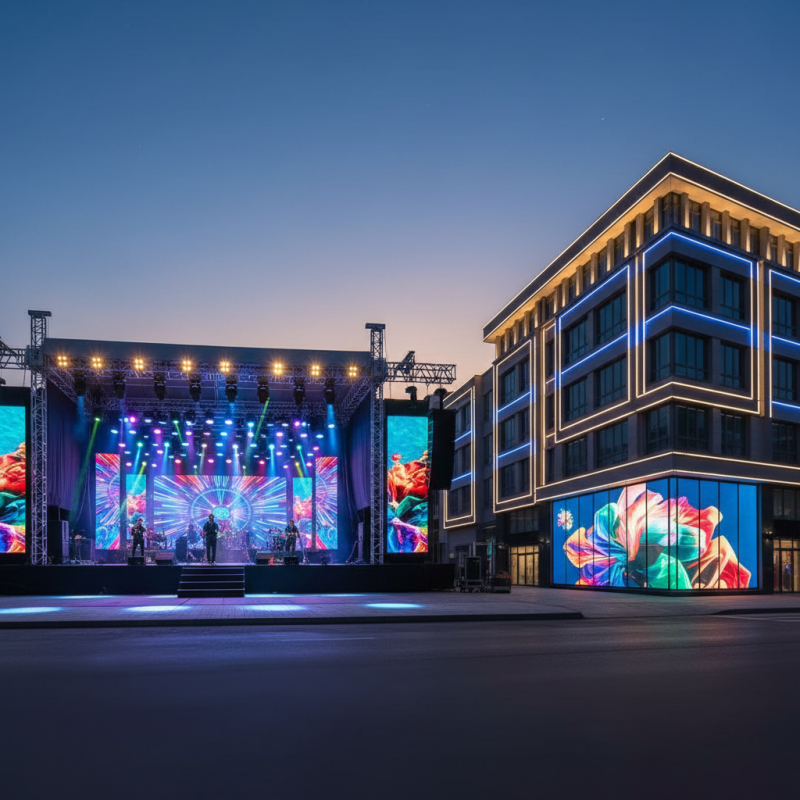
Benefits of LED Lighting for Stage and Commercial Use
LED lighting has revolutionized the stage and commercial environments. Its
energy efficiency stands out as a primary advantage. Compared to traditional lights,
LEDs consume less power, resulting in significant cost savings over time. This reduces the overall carbon footprint of production.
Moreover, LEDs have a long lifespan, lasting up to 25,000 hours or more.
This minimizes the frequency of replacements, saving time and effort during busy performances.
Color versatility adds to the appeal of LED lights. They offer a wide range of colors and can easily be programmed for
specific effects. This flexibility enhances the ambiance of any stage setting. However, the learning curve for using complex
lighting setups can be steep. Not everyone may master the intricacies of LED programming immediately. This complexity invites further exploration and keeps the creative process dynamic.
Additionally, LED lights produce less heat than traditional options. This is crucial for stage performances, where overheating can become a significant issue.
Still, proper ventilation and setup remain essential. Relying solely on LED technology can sometimes overlook these basic needs.
Embracing these lights requires a balanced approach that considers their strengths and weaknesses in achieving optimal results.
Energy Efficiency of LED Lights in Performance Environments
LED lighting has transformed stage and commercial environments. Its energy efficiency is a significant advantage. Unlike traditional lighting, LED lights consume much less electricity. This aspect proves crucial for theaters and event spaces where lighting needs to be both dynamic and sustainable.
In performance settings, LED lights produce minimal heat. This feature reduces the need for excessive cooling systems. Venues can save on energy costs while ensuring the comfort of performers and audiences. Furthermore, long-lasting LEDs require less frequent replacements. This convenience reduces waste and maintenance costs.
However, the initial investment in LED technology can be daunting. Some venues may hesitate due to the upfront expense. It’s essential to consider the long-term savings and benefits. Rethinking short-term costs could yield substantial future returns. This warrants careful evaluation, balancing immediate budgets with sustainable futures.
Versatility of LED Lighting in Different Commercial Settings
LED lighting has transformed various commercial environments due to its adaptability and energy efficiency. In restaurants, for instance, LEDs can create a cozy ambiance while reducing energy consumption by up to 75% compared to traditional incandescent bulbs. This reduction not only cuts down on electricity costs but also lessens the heat generated, enhancing comfort for diners. Studies indicate that restaurants using LED lighting often report a 20% increase in customer satisfaction, showcasing the importance of lighting in shaping customer experience.
In retail settings, the versatility of LEDs allows for dynamic display solutions. Store owners can easily adjust the color temperature and brightness to highlight products effectively. According to a report from the
U.S. Department of Energy, adapting LED lighting can increase merchandise visibility by up to
30%. This responsiveness to product needs can significantly drive sales. However, reliance on these systems brings challenges, such as maintaining consistent lighting conditions across seasons. Retailers must continuously evaluate their lighting schemes to ensure they meet evolving shopper expectations.
Office spaces also benefit from LED lighting. Improved illumination can enhance employee productivity and well-being. A survey revealed that over
60% of workers prefer bright, natural-looking light. Yet, not all LED products offer the same quality. Some lower-grade options can lead to
flicker or uneven light distribution, which may cause eye strain. Businesses must weigh these aspects against potential energy savings when selecting an LED solution.
Color Quality and Control in LED Stage Lighting
LED stage lighting offers excellent color quality, which is essential for creating impactful visual experiences. Unlike traditional lighting, LEDs can produce a broader spectrum of colors. This capability allows lighting designers to create vibrant, immersive environments. Rich, saturated colors can transform a stage, enhancing performances in music, theater, and dance.
Control over color temperature is another key aspect. With LED lights, users can easily adjust hues to match the mood of the performance. This flexibility is particularly beneficial for live events. However, achieving perfect color balance can sometimes be challenging. Designers may need to experiment with different settings to get the desired effect.
Moreover, dimming capabilities in LED fixtures offer versatility. LED lights can be adjusted smoothly without flickering, providing seamless transitions during shows. Yet, some users report difficulties with color consistency when dimming. Fine-tuning is often required, which can be time-consuming. This highlights the importance of expertise in lighting design. Understanding how to manipulate these tools effectively is crucial for maximizing their potential.
Why is LED Lighting Ideal for Stage and Commercial Applications? - Color Quality and Control in LED Stage Lighting
| Aspect |
LED Lighting |
Conventional Lighting |
| Color Quality |
High Color Rendering Index (CRI) > 90 |
Lower CRI, typically between 70-80 |
| Energy Efficiency |
Up to 80% more efficient |
Less efficient; more energy wasted as heat |
| Lifespan |
25,000 to 50,000 hours |
1,000 to 2,000 hours |
| Dimming Capability |
Smooth dimming with no color shift |
Dimming may cause color shift |
| Heat Emission |
Minimal heat production |
Significant heat production |
| Control Options |
Advanced color mixing and effects |
Limited control options |
Longevity and Maintenance Advantages of LED Technology
LED lighting is rapidly becoming the preferred choice for stage and commercial applications, primarily due to its longevity and reduced maintenance costs. According to a report by the U.S. Department of Energy, LED lights can last up to 25,000 hours or more. This is significantly longer than traditional incandescent and halogen lights, which typically last about 1,000 hours. This longevity translates to fewer replacements, leading to savings on labor and materials.
Maintenance is another area where LEDs excel. The frequency of bulb replacements is reduced, resulting in lower operational downtime. For busy venues or commercial spaces, this is critical. A study by the Lighting Research Center found that switching to LED can cut maintenance costs by nearly 70%. This significant reduction allows staff to focus on other essential tasks rather than frequent lighting changes.
**Tip:** Invest in dimmable LED fixtures to enhance capabilities while minimizing energy consumption.
Moreover, LED technology also produces less heat. This feature lowers air conditioning costs, making spaces more comfortable for both staff and customers. Regularly check for any flickering or color inconsistency in LED lights, as these can indicate an issue before it becomes a major problem. An efficient lighting system supports both performance and economic sustainability.
**Tip:** Schedule regular inspections to prolong the life of your LED fixtures.
FAQS
: LED lighting is energy-efficient, cost-effective, and has a long lifespan. They last up to 25,000 hours, reducing replacements.
LEDs consume less power than traditional lighting. This saves money and lowers the carbon footprint in performance environments.
Yes, LED lights offer a wide range of colors. They can be programmed for specific effects, enhancing stage ambiance.
The programming of LED lights can be complex. Not everyone may master it quickly, which could require additional training.
LED lights produce less heat, reducing cooling expenses. Proper ventilation is still necessary to ensure optimal performance.
The upfront cost of LEDs can be high. However, long-term savings can outweigh initial expenses, warranting careful consideration.
LEDs last much longer than traditional lights, which reduces replacements. This leads to lower maintenance costs and less downtime.
Regularly check for flickering or color inconsistencies. These issues can signal problems before they escalate, ensuring longevity.
Dimmable LED fixtures enhance lighting capabilities while minimizing energy consumption, creating a more dynamic environment.
Yes, regular inspections can help prolong the life of LED fixtures and enhance their performance in commercial settings.
Conclusion
LED lighting has emerged as the preferred choice for stage and commercial applications due to its numerous advantages. Why is LED lighting better for stage and commercial use? Firstly, LED lights offer exceptional energy efficiency, significantly reducing power consumption while providing high-quality illumination. This is particularly beneficial in performance environments where lighting needs to be both dynamic and cost-effective.
Moreover, the versatility of LED lighting allows it to adapt seamlessly to various commercial settings, from retail to entertainment venues. The color quality and control that LED technology offers enable precise lighting adjustments, enhancing the visual experience of performances and displays. Additionally, LEDs boast longevity and require less maintenance than traditional lighting options, resulting in long-term cost savings and reduced downtime. Overall, the multifaceted benefits of LED lighting make it an optimal choice for a wide range of stage and commercial applications.

 Senning Lights