Top Warehouse LED Lighting Innovations at Canton Fair 2026?

Time:2026-03-23 Author:Mason
0%

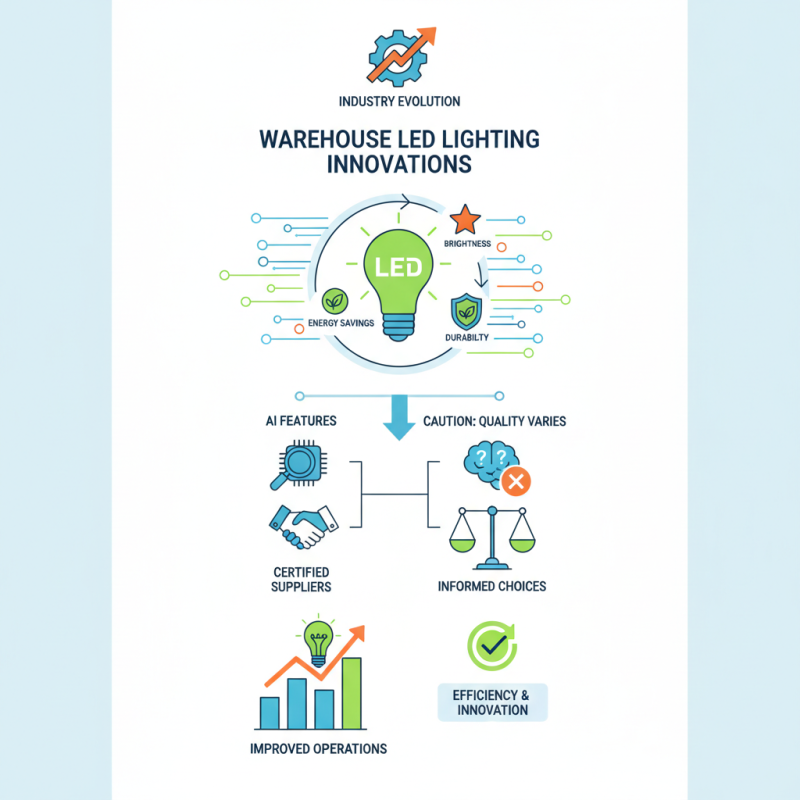
The upcoming 2026 Canton Fair will showcase the latest advancements in Warehouse LED Lighting. As industries evolve, so do their lighting needs. Warehouse operations demand efficiency and innovation, making LED lighting a focal point this year.

Innovative LED solutions will address common challenges found in warehouse settings. Brightness, energy savings, and durability are essential. Attendees can expect to see products that enhance visibility while reducing electricity costs. The introduction of AI features at the fair will help buyers find suppliers of certified LED lighting quickly, streamlining the search process.

However, not all innovations meet industry standards. Some products may lack reliability or long-term performance. Buyers must remain vigilant. Understanding the nuances of Warehouse LED Lighting is crucial for making informed choices. Ultimately, the focus on quality and innovation can lead to significant improvements in warehouse operations.
Top Warehouse LED Lighting Innovations at Canton Fair 2026?

Emerging Trends in LED Lighting for Warehouses at Canton Fair 2026

The Canton Fair 2026 showcases cutting-edge innovations in LED lighting for warehouses. Emerging trends highlight energy efficiency, smart technologies, and sustainable designs. Recent studies indicate that LED solutions can reduce energy consumption by up to 60% compared to traditional lighting. This makes them a popular choice for warehouse operations aiming to cut costs.

Warehouse management is now incorporating smart lighting systems that adjust based on occupancy and activity levels. These systems enhance worker productivity, ensuring optimal visibility. A report from the Lighting Research Center mentions a 30% increase in workplace efficiency with proper lighting. Automation allows real-time adjustments, promoting energy savings.

Tips: When choosing LED lights, consider brightness and color temperature. Aim for a balance that supports your warehouse activities. Regularly review lighting performance to maximize benefits. The transition to LED is promising, but ongoing evaluation is crucial to avoid overspending on unnecessary features. Look for ways to integrate these technologies seamlessly into existing infrastructures.

Key Innovations Showcased by Leading Manufacturers in Warehouse LED Tech

The Canton Fair 2026 is set to unveil groundbreaking innovations in warehouse LED lighting technology. Leading manufacturers are showcasing products that improve efficiency and reduce operational costs. Research indicates that warehouses can cut energy consumption by up to 60% with advanced LED systems. This is a critical measure, as many facilities face rising energy bills.

One standout innovation is smart lighting systems that adjust automatically based on occupancy. These systems utilize motion sensors to ensure lights are only on when needed. This not only saves energy but also prolongs the lifespan of the LEDs. Additionally, manufacturers are introducing tunable white lighting. This technology allows users to change the color temperature based on the task at hand, enhancing productivity in various warehouse functions.

Tips: Consider the return on investment when upgrading lighting. Analyze your warehouse layout and traffic patterns to select the best solutions. Also, factor in maintenance and future compatibility with other technologies. Remember, even minor mistakes in planning can lead to costly adaptations later. Be open to exploring different options, and don't settle for the first solution.

Sustainability and Energy Efficiency in LED Lighting Solutions

The Canton Fair 2026 showcases innovative LED lighting solutions focusing on sustainability and energy efficiency. As industries seek greener alternatives, LED technology stands out. With lower energy consumption, these lights provide an effective solution for warehouses. They reduce electricity costs and lower carbon footprints.


Many manufacturers are now incorporating sensors to enhance energy savings. These motion sensors can turn lights on and off based on activity. This ensures that lights aren't wasted in unused areas. It's a practical approach that saves money and supports sustainability goals.


Tips: Consider integrating timers with your LED lighting. This can ensure lights only operate during required hours. Also, explore options for recyclable materials in your lighting fixtures. Even small changes can make a significant impact. Maintaining an energy-efficient mindset is essential as we move forward in this green revolution.

Impact of Smart Technology on Warehouse LED Lighting Systems

The evolution of warehouse LED lighting is closely tied to the integration of smart technology. This transformation brings efficiency, but also some challenges. Innovative features are emerging, like motion sensors that adjust brightness based on activity. These sensors help save energy when spaces are unoccupied.

However, issues can arise with compatibility. Some older systems struggle to integrate with new smart technology. This can lead to increased costs and disruptions. It's essential for businesses to weigh the benefits against potential limitations.

Data-driven lighting management systems are also gaining traction. They collect information on usage patterns and optimize lighting based on real-time needs. Yet, reliance on technology means potential vulnerabilities. What if a system fails or is compromised? Awareness and preparedness are crucial in this evolving landscape.

Impact of Smart Technology on Warehouse LED Lighting Systems

User-Centric Designs and Customization in Modern Warehouse Lighting

User-centric design is transforming warehouse LED lighting. It emphasizes flexibility and adaptation to specific needs. Modern warehouses require unique solutions. A survey by the International Energy Agency shows that effective lighting can reduce energy costs by up to 30%. This is crucial for sustainability.

Customization plays a pivotal role. Users want features that align with their operations. Systems can be tailored for different areas, such as loading docks or storage zones. A report from the U.S. Department of Energy notes that well-designed lighting improves safety and productivity. Yet, many facilities still use outdated solutions, leaving potential benefits untapped.

Incorporating smart technology enhances user experience. Sensors can adjust brightness based on activity. This leads to energy savings but can also create confusion if users don't understand the system. Training staff is essential but often overlooked. Simple design choices can have significant impacts, yet challenges remain in implementation. The future demands collaboration and creativity in developing more effective lighting solutions.

FAQS

: What are the benefits of LED lighting in warehouses?

: LED lighting can reduce energy consumption by up to 60%. It also enhances worker productivity and safety.

How does smart technology impact warehouse lighting systems?

Smart technology allows for real-time adjustments. Motion sensors increase energy savings by adjusting brightness as needed.

What is user-centric design in warehouse lighting?

User-centric design focuses on flexibility and adaptation. It meets specific needs of different warehouse areas.

What challenges come with integrating smart lighting?

Compatibility issues may arise with older systems. This can lead to increased costs and potential disruptions.

Why is training important for smart lighting systems?

Training ensures that staff understand how to use the systems. Misunderstanding can lead to wasted energy and inefficiencies.

How can regular reviews of lighting systems help?

Regular reviews can maximize benefits by identifying unnecessary features. This helps prevent overspending on upgrades.

Conclusion

The Canton Fair 2026 showcased several emerging trends in Warehouse LED Lighting, emphasizing the latest innovations aimed at enhancing efficiency and sustainability. Key manufacturers presented advanced technologies that not only improve illumination but also significantly reduce energy consumption. The focus on sustainability aligns with global efforts to create environmentally friendly solutions in industrial settings.

Additionally, the impact of smart technology was evident, as automation and IoT integration are becoming crucial in optimizing warehouse lighting systems. User-centric designs were a prominent theme, highlighting the demand for customizable lighting solutions that cater to diverse operational needs in modern warehouses. Overall, the advancements in Warehouse LED Lighting demonstrated a commitment to innovation, efficiency, and sustainability.

Mason

Mason

Mason is a seasoned marketing professional with a deep expertise in the company's offerings and a passion for driving brand awareness. With a strong background in digital marketing strategies, he has an innate ability to connect with diverse audiences and effectively communicate product benefits.......