Why is LED Lighting Overheating and How to Prevent It?

Time:2026-06-28 Author:Charlotte
0%

LED lighting is becoming increasingly popular due to its energy efficiency and long lifespan. However, overheating remains a common issue. Renowned lighting expert Dr. Emily Carter emphasizes, "Understanding how to prevent LED lighting from overheating is crucial for longevity and safety."

Heat buildup can lead to decreased performance and even failure of LED systems. Poor heat dissipation can cause light output to drop significantly. Inadequately designed fixtures often struggle with heat management, leading to shortened lifespans.

This problem is not just technical; it affects consumers and manufacturers alike. It is essential to learn how to prevent LED lighting from overheating effectively. Proper installation, effective airflow, and adequate heat sinks are vital. Awareness and knowledge can guide users in making informed decisions. Without this, the benefits of LED lighting may be overshadowed by its potential hazards.
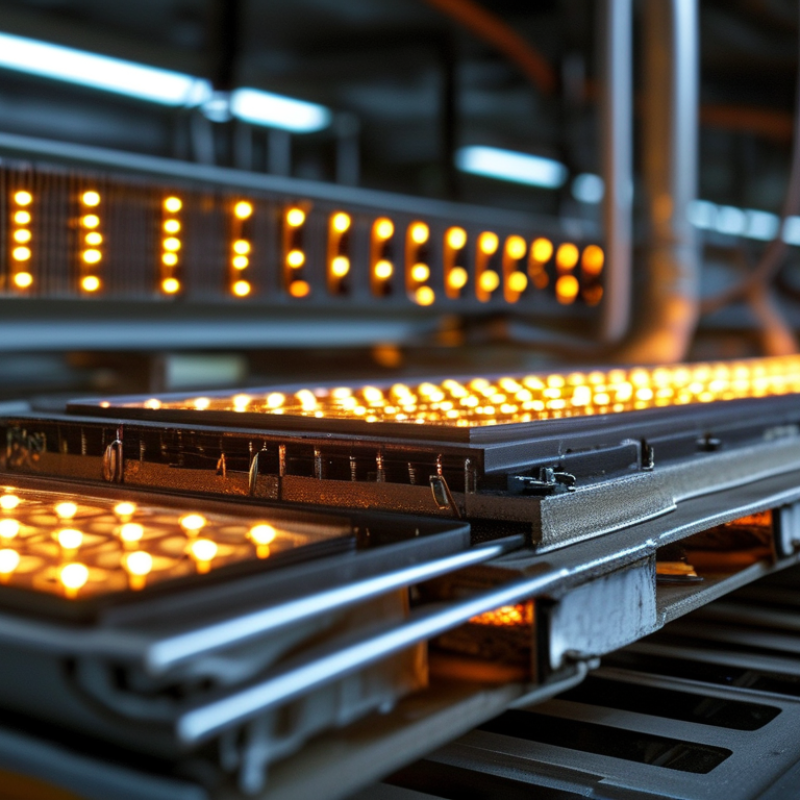
Why is LED Lighting Overheating and How to Prevent It?

Understanding the Basics of LED Lighting Technology

LED lighting technology has revolutionized how we illuminate our spaces. Unlike traditional incandescent bulbs, LEDs use semiconductor materials. This allows them to convert electricity into light more efficiently. The result is lower energy consumption and longer lifespan. However, understanding their technology is crucial to prevent overheating issues.

LEDs generate heat during operation. Poor heat dissipation can lead to elevated temperatures. Components like the driver and the LED chip can suffer. Overheating not only affects performance but may shorten the lifespan of the lights. It’s often overlooked, but the design of the fixture plays a critical role in thermal management.

Proper ventilation and heat sinks are essential to mitigate overheating risks. There’s value in choosing fixtures that facilitate air circulation. Watching for signs of overheating, like flickering or discoloration, is important. It’s something every user should monitor actively. Reflecting on these aspects can lead to better performance and longevity of LED lighting in any environment.

Common Causes of LED Overheating Issues

LED lighting has gained popularity for its energy efficiency and longevity. However, overheating can be a significant problem. Understanding the common causes is essential in preventing this issue.

One primary cause of LED overheating is improper heat dissipation. LEDs generate heat, and without effective heatsinks or airflow, temperatures rise. Poorly designed fixtures can trap heat, making performance suffer. Insufficient ventilation around the light source further exacerbates the problem.

Another contributing factor is overdriving the LED. When manufacturers push LED chips beyond their rated power, heat builds up quickly. High ambient temperatures can intensify this effect. Using incompatible dimmers or drivers can also cause fluctuations in power, leading to overheating. Sometimes, troubleshooting reveals that simply replacing parts leads to noticeable improvements.

The Impact of Overheating on LED Performance and Lifespan

Overheating can significantly impact LED lighting performance and lifespan. When LEDs operate at elevated temperatures, their efficiency decreases. This can lead to a reduction in light output and a shift in color quality. Many users may notice their lights becoming dimmer over time. This phenomenon can be frustrating, especially when a high level of brightness is expected.

Inadequate heat dissipation is a primary cause of overheating. Poorly designed fixtures or improper installation can trap heat, exacerbating the problem. Users often overlook the importance of proper ventilation. Ensuring that the surrounding areas remain cool can make a substantial difference. LED lights require a suitable environment to function optimally.

In extreme cases, overheating can shorten the lifespan of LEDs drastically. Failure rates may increase, leading to more frequent replacements. Investing in better heat management solutions, such as heat sinks, is crucial. Educating oneself about these factors is essential for maintaining lighting systems efficiently. Without proper attention, users may find themselves dealing with ongoing issues.

Why is LED Lighting Overheating and How to Prevent It? - The Impact of Overheating on LED Performance and Lifespan

Cause of Overheating Impact on Performance Impact on Lifespan Prevention Methods
Poor Heat Dissipation Reduced lumen output Decreased lifespan (up to 50% loss) Use heat sinks and ensure proper airflow
High Ambient Temperature Color shift Dramatic reduction in lifespan Install in temperature-controlled environments
Electrical Issues Fluctuating brightness Potential burn-out Use quality drivers and regulators
Overdriving LEDs Decreased light efficiency Shortened product life Operate within specified voltage and current

Effective Strategies to Prevent LED Overheating in Various Settings

LED lighting is popular for its efficiency, but overheating can be a serious concern. One critical factor is the thermal management of LED fixtures. According to the U.S. Department of Energy, poor heat dissipation can reduce an LED's lifespan significantly, sometimes by up to 70%. This necessitates effective strategies to prevent overheating.

In commercial settings, proper ventilation and heat sinks are essential. An effective heat sink can absorb excess heat, maintaining optimal operation. Moreover, using LED lights in enclosed fixtures can exacerbate heat issues. A study published in the Journal of Lighting Research suggests that utilizing open fixture designs can improve airflow and reduce temperature.

For residential applications, the positioning of LED lights matters. Avoid placing them near heat sources or in direct sunlight. Regular maintenance, such as cleaning dust from fixtures, enhances airflow. Implementing a troubleshooting checklist can also help identify potential overheating issues. Small modifications yield significant results in enhancing the reliability of LED lighting systems.

Best Practices for Maintaining Proper LED Lighting Temperature

LED lighting can overheat for several reasons, often linked to design flaws or improper usage. It’s crucial to understand how to maintain the right temperature for efficiency and longevity. One common contributor to overheating is inadequate heat dissipation. If the housing design restricts airflow or uses low-quality materials, it can trap heat. Consider using fixtures specifically designed for LED technology. They often include heat sinks that effectively disperse heat.

Regular maintenance is key to avoiding overheating issues. Inspect LED fixtures for dust or debris that can obstruct ventilation. Clean your lights periodically to ensure maximum airflow. It’s also beneficial to monitor the surrounding environment. High ambient temperatures can exacerbate heat buildup. Placing LED lights in well-ventilated areas helps maintain lower temperatures.

Another factor to consider is wattage compatibility. Using a higher wattage than recommended can lead to overheating. Always adhere to the specifications provided for each fixture. Lastly, observe your lighting patterns. Frequent on-and-off cycles can strain LEDs, causing excess heat. Adjusting usage can reduce the risk of overheating and improve the lifespan of your lighting.

LED Lighting Temperature Management

The chart below illustrates the average operating temperature of LED lights across different environments. Overheating can be a significant issue if not properly managed. The data indicates how various factors, such as ambient temperature and usage duration, can affect LED performance and lifespan.

FAQS

: What is LED lighting technology?

: LED lighting technology uses semiconductor materials to convert electricity into light. It is energy-efficient and long-lasting.

Why do LEDs generate heat?

LEDs generate heat during operation. Poor heat dissipation can elevate their temperatures and affect performance.

What causes LED overheating?

Improper heat dissipation is a primary cause. Poor fixture design and insufficient ventilation worsen the problem.

How does overheating affect LED performance?

Overheating decreases LED efficiency, reduces light output, and can shift color quality. This leads to dimming over time.

How can I prevent LED overheating?

Use well-designed fixtures with proper ventilation and heat sinks. Monitor for signs like flickering and discoloration.

What happens if LEDs overheat?

Overheating can shorten lifespan and increase failure rates, leading to more frequent replacements.

How important is thermal management for LEDs?

Thermal management is crucial for optimal performance. Poor management can lead to ongoing issues and frustrations.

What role does fixture design play in LED performance?

Fixture design affects heat dissipation. Well-designed fixtures facilitate airflow, essential for preventing overheating.

Can using incompatible drivers cause issues?

Yes, using incompatible drivers can cause power fluctuations, which may lead to overheating in LEDs.

What should I do if my LEDs are flickering?

Check for signs of overheating. If flickering occurs, inspect fixtures and consider improving ventilation.

Conclusion

LED lighting technology offers numerous advantages, but overheating can significantly impact its performance and lifespan. Common causes of LED overheating include poor heat dissipation, excessive voltage, and the environment in which the LEDs are installed. It's crucial to understand these factors to mitigate risks.

To prevent LED lighting from overheating, effective strategies include ensuring proper ventilation, using heat-sinks, choosing suitable wattage, and regularly maintaining fixtures. Additionally, implementing best practices for maintaining appropriate temperature levels in various settings can enhance efficiency and prolong the life of LED lights. Ultimately, knowing how to prevent LED lighting from overheating is essential for maximizing its benefits and ensuring reliable operation.

Charlotte

Charlotte

Charlotte is a seasoned marketing professional with a deep understanding of the company's portfolio and a passion for elevating its presence in the market. With a keen eye for detail and a commitment to excellence, she ensures that our professional blog is regularly updated with insightful articles......