When considering LED lighting products, one key question arises: What is the lifespan of LED lighting products? This question is crucial for buyers seeking value and longevity in their purchases. LED lights are known for their energy efficiency and long life. However, the actual lifespan can vary significantly between brands and models. Understanding these nuances is essential for informed decisions.
Many consumers overlook the details that affect an LED's lifespan. Factors like heat management, usage conditions, and product quality play a significant role. These lights can last anywhere from 15,000 to 50,000 hours or more. Yet, not all LED products perform equally. Some may dim over time, losing their brightness sooner than expected.
Buyers need to recognize the importance of choosing reputable brands. Researching product reviews and warranty offers can provide insights into reliability. It’s also wise to consider the environment where the LEDs will be used. Areas with high temperatures or humidity may impact performance. By examining these aspects, buyers can make better choices and avoid disappointing experiences.
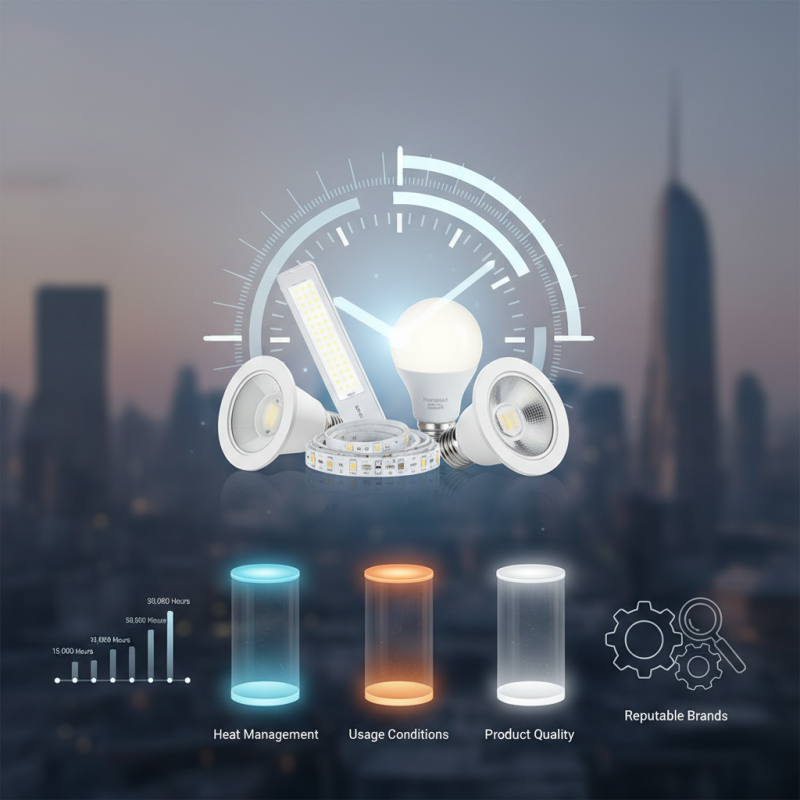
When considering LED lighting lifespan, several key factors come into play. One major aspect is the quality of the components used. High-quality LEDs can last up to 50,000 hours or more. In contrast, lower-quality options may only reach around 15,000 hours. An industry report from the Department of Energy highlights that better heat management significantly improves longevity. Overheating often leads to premature failure.
Another critical factor is the operating environment. Extreme temperatures and humidity can shorten an LED's life. For example, LEDs installed in coastal areas with high humidity face additional stress. This can lead to moisture penetration, damaging the internal components. Moreover, frequent on-off cycles can reduce lifespan, affecting many commercial applications.
Lastly, selecting the right driver is essential. Poor-quality drivers can lead to flickering, overheating, and failure. It's advisable to choose drivers that are specifically designed for LED applications to ensure optimal performance. Understanding these factors can help buyers make informed choices. It's vital to weigh the initial investment against potential long-term savings and overall performance.
This chart illustrates the average lifespan of various types of LED lighting products. It provides insights into the expected durability of each product type, helping buyers make informed decisions based on longevity.
When evaluating the lifespan ratings of various LED lighting products, it’s crucial to consider how different factors influence longevity. Research indicates that LED bulbs generally last between 15,000 to 50,000 hours, significantly longer than traditional incandescent bulbs, which average around 1,000 hours. A 2021 industry report highlights that higher-quality LEDs can reach up to 100,000 hours under optimal conditions.
Factors like heat management and build quality play significant roles in LED lifespan. Products with effective heat sinks can maintain their brightness longer. In contrast, cheaper models may degrade faster due to poor thermal control. The lighting industry often recommends examining the L70 rating, which indicates when a bulb will lose 30% of its initial brightness, rather than just the total lifespan.
Durability is not solely dependent on hours of use. User environments also matter. For instance, an LED bulb used in a hot location may fail sooner than one in a cooler setting. Furthermore, varying power supply qualities can affect LED performance. Buyers should remain vigilant about these aspects and possibly seek expert opinions to ensure they make informed decisions on their lighting investments.
LED bulbs are known for their energy efficiency and long lifespan. However, usage patterns can significantly impact their longevity. According to a report by the Department of Energy, LED bulbs can last over 25,000 hours when used properly. But, if they are turned on and off frequently, this can shorten their lifespan considerably.
Heat also plays a crucial role. LEDs are sensitive to temperature fluctuations. Operating in high heat conditions can reduce their efficiency and lifespan. A study by the Lighting Research Center suggests that LEDs may lose up to 30% of their expected life if used in poorly ventilated fixtures. This highlights the importance of proper installation and placement.
Moreover, the quality of power supply matters. Many LEDs can be affected by voltage fluctuations. Research indicates that using dimmers or incompatible fixtures can lead to reduced performance over time. Users should consider these factors carefully. Misusing LED technology can lead to disappointment and increased costs in the long run.
When considering LED lighting, energy efficiency is a paramount factor. Long-lasting LEDs can significantly lower your energy bills. These lights consume up to 80% less energy than traditional options. This means your monthly expenses decrease as long as you choose quality products. However, the initial investment for quality LEDs can be higher. This cost is often a drawback for consumers.
Maintenance costs are another crucial element. Long-lasting LEDs can last up to 25,000 hours or more. This longevity often means fewer replacements. In contrast, traditional bulbs need frequent changing. This can add to overall costs. Yet, the reliability of good LEDs may prevent unexpected disruptions.
Nonetheless, buyers should remain cautious. Not all LED products are equally efficient. Some may claim high lifespans while underperforming. It’s wise to check for certifications and verify claims. Relying solely on marketing can lead to regret. Balancing upfront costs with long-term savings is essential. Thoughtful considerations can lead to better choices in the long run.
When buying LED lighting products, lifespan is a key factor. Different brands offer various levels of reliability. Some manufacturers prioritize quality, resulting in longer-lasting lights. Look for products with a robust warranty. This can reflect the confidence a brand has in its lifespan claims.
Tips: Always check for customer reviews. They often reveal insights about practical usage and longevity. Additionally, visit forums focused on lighting; users share real experiences. Sometimes, even highly-rated brands may fail in specific conditions.
While many brands provide solid LEDs, not all are equal. Some may have great marketing but falter in durability. Research is essential. Seek out those that have consistently delivered in the market. Reliability often correlates with their commitment to innovation and quality standards. When considering options, reflect on your needs and the environment where the lights will be used.
| Product Type | Lifespan (Hours) | Warranty Period (Years) | Energy Efficiency |
|---|---|---|---|
| A19 Bulb | 25,000 | 3 | A+ |
| BR30 Flood Light | 30,000 | 5 | A++ |
| PAR38 Flood Light | 30,000 | 4 | A++ |
| LED Tube Light | 50,000 | 5 | A+ |
| LED Panel Light | 50,000 | 5 | A++ |
| Downlight | 40,000 | 4 | A+ |
| LED Strip Light | 20,000 | 2 | A |
| High Bay Light | 50,000 | 6 | A+ |
| Horticultural LED Light | 30,000 | 3 | A++ |
| Smart LED Bulb | 25,000 | 3 | A |
: Frequent on-off cycles can shorten their lifespan. Proper use is crucial for maximizing longevity.
Heat can reduce efficiency. Poor ventilation can lead to a significant drop in expected lifespan.
Voltage fluctuations can affect performance. Using compatible fixtures is essential for optimal function.
LEDs consume up to 80% less energy than traditional bulbs, lowering monthly energy costs.
Yes, they last longer, needing fewer replacements. This can result in overall cost savings.
Yes, not all LEDs are equally efficient. Check certifications and avoid relying solely on marketing claims.
Look for robust warranties and check customer reviews for insights into performance and longevity.
Not necessarily. Some brands may have good marketing but lack durability in certain conditions.
Reflect on your needs and the environment. Research product performance based on user experiences.
Don’t rush based on marketing. Misleading claims can lead to disappointment and increased costs.
In "Top 10 LED Lighting Products Lifespan Insights for Buyers," the article delves into critical aspects that affect the longevity of LED lighting products. Understanding LED lighting lifespan is essential for consumers, as factors like material quality, heat management, and design play significant roles in determining how long these products last. Furthermore, comparing lifespan ratings across various LED offerings can guide buyers in making informed choices.
The article also examines how usage patterns influence LED bulb longevity, highlighting that consistent use can enhance lifespan while sporadic use may not. Additionally, it discusses the energy efficiency and maintenance costs associated with long-lasting LEDs, providing a holistic view of both savings and sustainability. Ultimately, for those wondering what is the lifespan of LED lighting products, this comprehensive insight serves as a valuable resource for selecting reliable options.

Senning Lights