Choosing the right LED lighting for event venues can greatly impact the atmosphere. Proper lighting enhances the mood, highlights key areas, and defines spaces. Understanding how to choose LED lighting for different event venues is essential for creating memorable experiences.
Consider the venue's size and layout. A large space may require more powerful lights to fill it effectively. Different events also call for different lighting styles. A wedding may benefit from soft, warm lighting, while a corporate event may need bright, focused lights.
Re-evaluating your choices is crucial. Not every LED option is suitable for every occasion. Seek advice from professionals, but trust your instincts too. Balancing aesthetic appeal with functionality often leads to the best results. Your choices should reflect the event’s theme and purpose. This approach ensures that you create a lighting design that captivates and engages guests.
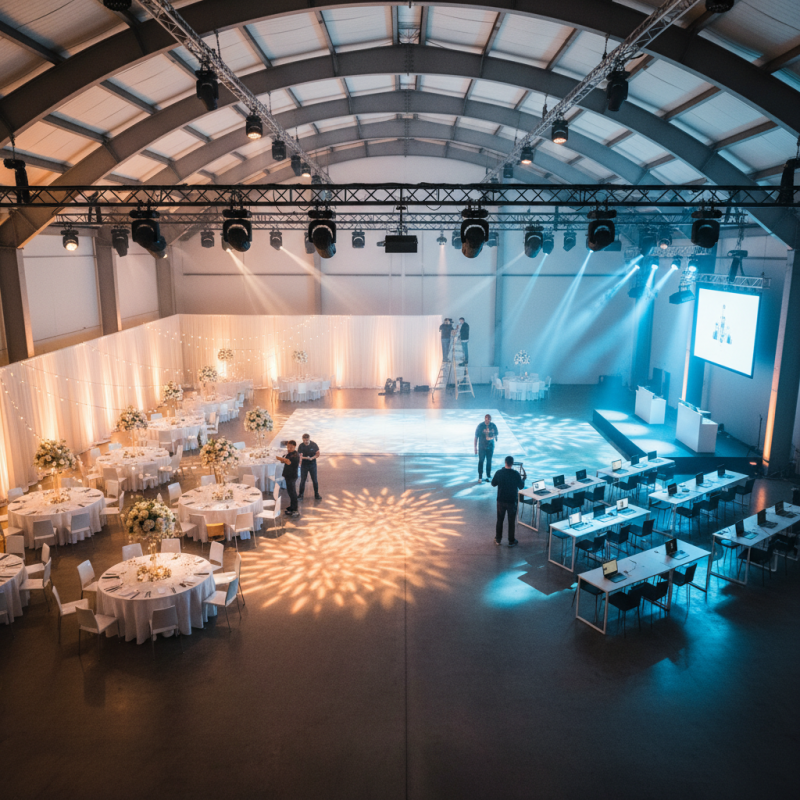
When selecting LED lighting for event venues, understanding basic technical aspects is crucial. LED lights come in various colors and intensities. Knowing how to mix these lights can create the desired atmosphere. For instance, warm white lights add a cozy feel, while cool white options provide a modern edge. It's essential to explore these basic color temperatures.
Another key point is energy efficiency. LEDs consume less power and last longer than traditional lighting. This efficiency can lead to significant savings, especially for large events. However, the initial cost might seem higher. It's a reflection on overall value rather than just price. Always examine the brightness, measured in lumens, to ensure the venue appears vibrant.
Lastly, consider the flexibility of the lighting. Adjustable options allow for dynamic changes throughout the event. But keep in mind, complexity often complicates setup. Testing lights before the event can reveal imperfections. Understanding these basics will help in crafting memorable experiences that resonate with attendees.
| Tip Number | Tip Description | Considerations |
|---|---|---|
| 1 | Define the Event Requirements | Consider the type of event and necessary ambiance |
| 2 | Choose the Right Color Temperature | Warm white for intimate events; cool white for professional settings |
| 3 | Check for Dimmability | Ensure lights can be adjusted for different moods |
| 4 | Evaluate Energy Efficiency | Select lights with low wattage for cost savings |
| 5 | Consider Fixture Styles | Different styles for varied design aesthetics |
| 6 | Check for Quality and Durability | Select brands with good warranties and reviews |
| 7 | Plan for Placement and Coverage | Ensure lighting adequately covers the venue space |
| 8 | Explore Control Options | Consider smart controls for flexibility |
| 9 | Account for Setup and Tear Down | Plan for quick setup to avoid delays |
| 10 | Budget Wisely | Keep costs balanced with quality choices |
: Understand colors and intensities. Mixing lights creates the desired atmosphere. Warm whites feel cozy, while cool whites are modern.
LEDs use less power and last longer. They can reduce costs over time. Initial costs may be higher but offer overall value.
Brightness is measured in lumens. Ensure the venue looks vibrant. Don’t overlook this aspect when planning.
Larger spaces may need powerful fixtures. Smaller spaces should focus on softer lighting for intimacy.
Identify key areas needing illumination. Dining tables and stages require thoughtful lighting to enhance visibility.
Testing reveals imperfections in the setup. It allows adjustments to ensure optimal performance during the event.
Experiment with warm and cool lights. Consider the venue’s design to enhance both function and aesthetics effectively.
Yes, complex lighting systems can lead to complications. Simplicity in setup often leads to a smoother event experience.
Uneven lighting may create harsh shadows or overly bright spots. This can be distracting for guests and detract from the ambiance.
Yes, adjustable lighting allows for changes throughout the event. Reflect on how this flexibility enhances the experience for attendees.
Choosing the right LED lighting for event venues is essential for creating the desired ambiance and functionality. When considering how to choose LED lighting for different event venues, it’s crucial to understand the basics of LED technology, as well as how to evaluate the size and layout of the space. This involves assessing how the lighting will interact with the venue's architecture and intended use.
Moreover, determining the appropriate brightness and color temperature can significantly affect the atmosphere of the event. Exploring various LED lighting options and technologies will allow for more creative choices, such as dynamic color changes or focused spot lighting. Lastly, budgeting for LED lighting needs and installation costs ensures that the lighting design is both effective and financially viable, making the venue more inviting and adaptable for diverse events.

 Senning Lights