In the world of live performances and events, controlling intelligent stage lighting systems is both an art and a science. According to a 2022 report by the International Association of Lighting Designers, 78% of production managers say that effective lighting enhances audience engagement. This statistic underscores the importance of mastering the techniques needed for optimal lighting control.
Industry expert James Wilmot, a renowned lighting designer, emphasizes, “Understanding how to control intelligent stage lighting systems is key to creating memorable experiences.” His insights highlight the blend of technology and creativity required in the industry. The complexity of modern lighting systems can be overwhelming. However, with the right approach, both novices and seasoned professionals can achieve stunning results.
As more venues embrace advanced lighting technologies, the need for reliable control strategies has escalated. This dynamic environment demands continuous learning and adaptation. Lighting control is not always straightforward, and mistakes can lead to less-than-ideal outcomes. Being aware of potential pitfalls is crucial for growth in this field. Exploring how to control intelligent stage lighting systems effectively requires both technical knowledge and innovative thinking.
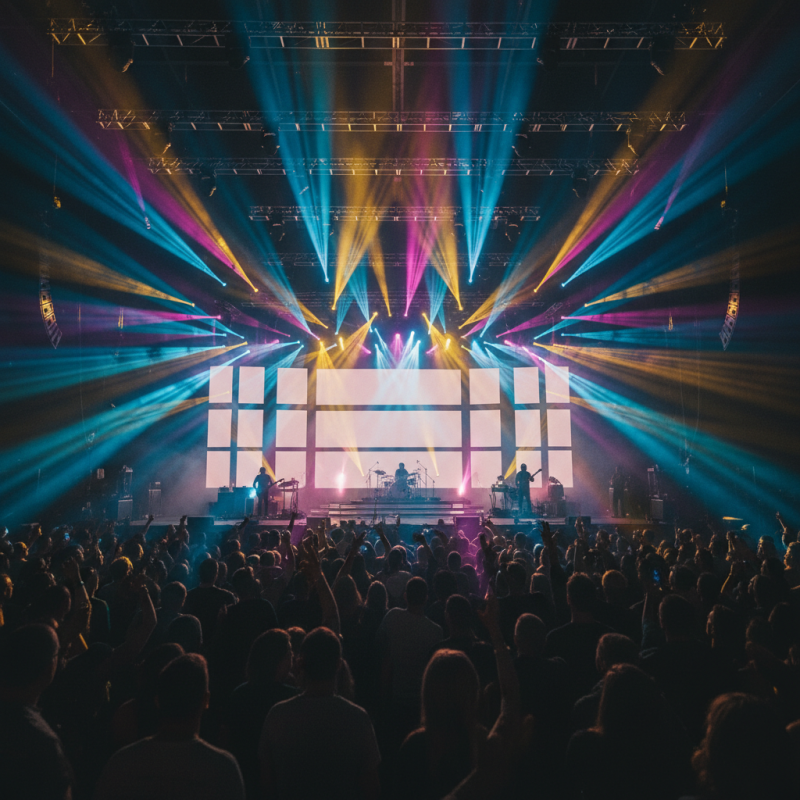
Intelligent stage lighting systems play a crucial role in modern performances. Understanding their basics helps in effective control. These systems can create stunning visual effects, enhancing the audience's experience. They use advanced technology to manipulate light colors, angles, and movements. Familiarity with these features boosts both creativity and technical skills.
A reliable lighting setup requires knowledge of DMX protocols and software. This understanding allows for precise control of multiple lights simultaneously. Operators should remember that programming these systems is a learning process. Mistakes will happen, and that’s part of mastering the craft. Real-world practice is essential, as theory can only take you so far.
Creativity is key in visual storytelling. However, overusing effects can overwhelm the audience. Balance is essential. Always ask for feedback on your designs and be open to critique. Engage with colleagues to improve. The journey of mastering intelligent stage lighting is ongoing. Embrace the challenges that come with it.
Choosing the right control software for your intelligent stage lighting system can be overwhelming. It’s crucial to assess your specific needs and preferences before making a decision. A good starting point is to explore various software options that match your setup. Some software are tailored for beginners, while others cater to experienced professionals. Each option has strengths and weaknesses, making careful consideration vital.
When selecting software, remember to think about the user interface. A cluttered or overly complex interface can hinder your work. Opt for something intuitive that allows for efficient programming. In terms of features, prioritize those that enhance creativity. A good software should support advanced effects and real-time control capabilities.
Another important aspect is compatibility. Ensure your chosen software works seamlessly with your hardware. Regular updates and support from developers can greatly influence your experience. Compatibility issues can lead to frustration and delays during production. Take time to read user reviews, as they offer insights on reliability and performance. User feedback can expose hidden issues that developers might not address upfront.
Setting up intelligent lighting fixtures can seem daunting at first. However, understanding a few core principles can significantly enhance your experience. Choose the right location for each fixture. Consider how the light will interact with the space. Shadows and reflections can create unexpected effects. Test different angles before finalizing the positions.
Cable management is another key aspect. Tangles can lead to frustration. Ensure all cables are secured and organized. Labeling them can save time during setup and troubleshooting. Check the power supply to make sure it meets the requirements of your system. A mismatched power source can lead to flickering or unresponsive lights.
Be mindful of the control system you are using. Compatibility with your fixtures is essential. Take time to explore the software's features, as this will allow for more creative control. Setting up presets and scenes can save time during events. Lastly, don’t be afraid to experiment. Mistakes can lead to new discoveries and improved techniques. Embrace the learning process as you refine your skills.
Creating and managing lighting profiles is essential in intelligent stage lighting systems. Each scenario demands a unique approach. For example, a concert requires vibrant colors, while a theater may favor softer, more subtle tones. Identifying the mood of each event can guide your lighting choices effectively.
When designing profiles, consider the venue’s characteristics. A large space might need broader beam angles to fill the area. However, some smaller venues benefit from focused, dramatic lighting. Trial and error is part of the process. It’s important to test different settings and adjust based on feedback.
Regularly reviewing and updating your profiles can refine your approach. You may notice that certain settings work better in practice than anticipated. Documenting these observations helps in future preparations. Embrace the challenges in this creative field and let experimentation drive your lighting artistry.
Troubleshooting intelligent lighting systems can be challenging. Common issues often arise from software glitches, connectivity problems, or hardware failures. According to a recent report by the Lighting Research Center, over 30% of technical difficulties stem from inadequate training for operators. This emphasizes the importance of hands-on experience.
Understanding the system setup can prevent many common failures. Regular maintenance is vital too. Check all connections and ensure software is up to date. Performing these checks can identify issues before they disrupt a performance.
It is also beneficial to keep a troubleshooting guide on hand. Here are some tips for maintaining optimal performance. Test equipment before live events. Ensure all fixtures respond correctly. Familiarize yourself with error codes displayed during malfunctions.
Don't ignore unusual behaviors from your lighting system. These can indicate deeper issues. Documenting problems as they occur helps streamline future troubleshooting. Remember, even expert technicians occasionally encounter unexpected issues. Regular practice and reflection on past challenges lead to better management of intelligent lighting systems.
: They enhance visual effects, creating a better audience experience.
Knowledge of DMX enables precise control over multiple lights at once.
Programming is a learning process. Mistakes are expected and can be informative.
Avoid overusing effects to prevent overwhelming the audience. Use feedback for improvement.
Each event’s mood and venue characteristics dictate color and intensity choices.
Large venues require broad beam angles, while smaller spaces benefit from focused lighting.
Regularly review and update profiles based on practical outcomes and feedback.
Documenting observations helps refine future preparations and improve techniques.
Engaging with colleagues and embracing the creative challenges is vital.
No, real-world practice is essential. Theory alone won't lead to mastery.
The article "10 Tips for Controlling Intelligent Stage Lighting Systems" provides a comprehensive guide for those looking to master the intricacies of modern lighting technology. It begins by laying the groundwork with an understanding of the fundamentals of intelligent stage lighting systems, essential for any lighting technician. The next focus is on choosing the right control software to optimize your specific lighting setup, followed by effective methods for setting up intelligent lighting fixtures to achieve the desired effects.
Furthermore, the article emphasizes the importance of creating and managing tailored lighting profiles suited for various scenarios, ensuring that a consistent and dynamic presentation is maintained. Troubleshooting common issues that may arise is also a critical aspect discussed, equipping users with the knowledge they need to solve problems quickly. Overall, this article serves as a valuable resource for anyone interested in learning how to control intelligent stage lighting systems, making it easier to elevate their visual presentations.

Senning Lights