Top 10 Tips for Designing a Stage Lighting Layout with LEDs?

Time:2026-06-07 Author:Sophia
0%

Designing a stage lighting layout with LED products has become essential in modern performances. Experts in the field, such as Jim McGee, a renowned lighting designer, emphasize that "the right lighting can transform a basic stage into an extraordinary visual experience." Understanding how to design a stage lighting layout with LED products can elevate any event.

LED technology offers versatility and brightness that traditional lights often lack. Designers must consider placement, color, and intensity. Each variable significantly impacts the audience's perception. The challenge lies in balancing aesthetics with functionality. There will be trial and error in achieving the perfect setup.

It's crucial to think creatively. An effective layout enhances the performance while being energy-efficient. Experimentation might lead to unexpected results that can inspire new ideas. As Jim McGee suggests, "embrace the innovation and make the stage come alive." Fostering this mindset allows designers to push boundaries and create captivating environments for audiences.
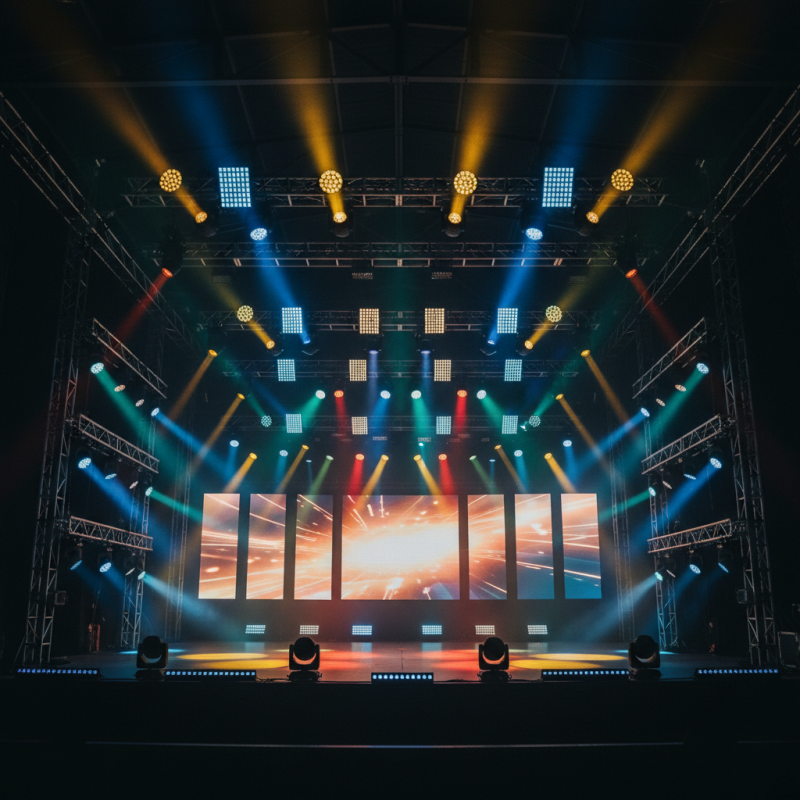
Top 10 Tips for Designing a Stage Lighting Layout with LEDs?

Understanding the Basics of Stage Lighting Design with LEDs

When designing a stage lighting layout with LEDs, it's crucial to grasp the fundamentals of lighting design. Start by considering the venue's dimensions and layout. A large stage may require more fixtures than a small one. Placement of lights greatly affects the mood and visibility. Experimenting with angles can create dramatic shadows and highlights. The color temperature of LEDs also plays a significant role. Warm lights can create intimacy, while cooler lights evoke energy.

Another essential aspect is understanding the power requirements of LED fixtures. Properly calculating the power distribution prevents overload situations. Regular maintenance is vital as well. Dust and environmental factors can diminish light quality over time. Make it a habit to check equipment regularly, even if everything appears to be functioning well.

Don't forget about the audience's perspective. What looks good from the stage may not be visually appealing for the spectators. Testing various setups can help achieve the desired effect. Embrace the failures along the way. Not every design will work perfectly, but each trial provides valuable lessons for future projects.

Choosing the Right LED Fixtures for Your Stage Setup

Choosing the right LED fixtures for your stage setup is crucial. The quality of light affects the audience's experience directly. According to the National Association of Broadcasters, LED lighting usage has increased by 45% in the last five years, highlighting a shift towards these energy-efficient options. Quality fixtures enhance color rendering and brightness, which are essential in creating dynamic performances.

Consider the purpose of your stage design. Different LED fixtures serve varied functions. For instance, wash lights provide broad illumination, while spotlights focus on specific performers. A research report by the Entertainment Services and Technology Association noted that 78% of productions now prefer versatile fixtures that allow for easy adjustment. Prioritize flexibility in your lighting setup.

When selecting fixtures, think about their placement. Too many lights can overwhelm the stage. Conversely, too few can leave performers in the shadows. A well-balanced design ensures clear visibility. Invest time in experimenting with angles and intensity. Testing placements can highlight unforeseen issues. Don't shy away from reevaluation; the perfect layout often requires multiple iterations.

Top 10 LED Fixture Types for Stage Lighting Design

Creating a Balanced Lighting Layout for Visual Impact

Creating a balanced lighting layout is essential for achieving visual impact on stage. Start by considering the venue's size and shape. It influences the light distribution remarkably. Large spaces need broader light sources, while small venues benefit from concentrated beams. Remember, an unbalanced layout can create harsh shadows or overexposure.

Incorporating LED technology can enhance your design. LEDs provide flexibility in color temperature and brightness. Use warm colors to create intimacy, while cool colors can stimulate energy. Position your lights at various angles to reduce the risk of flat lighting. It's crucial to adapt your design based on the performance style. A dramatic play might require stark contrasts, while a musical needs a more vibrant palette.

One common mistake is neglecting the audience's perspective. Lighting should not solely focus on the performance area; it must also engage the audience. Shadows cast on performers can distract viewers. Sometimes, even the best layouts need tweaking. Regularly assess your setup to ensure it meets your vision. Experiment with different arrangements. Reflection is key to mastering stage lighting design.

Incorporating Color and Effects in LED Lighting Design

When designing a stage lighting layout, color and effects play a crucial role. LEDs offer versatile color options, allowing designers to craft unique atmospheres. Consider the mood of your event. Use warm colors for intimacy or cool tones for energy. Think about how different colors interact. They can evoke emotions, enhance performances, and set the scene.

Effects such as dimming and strobing add layers to your lighting design. Experiment with various intensities and patterns. For example, fading effects can create a sense of movement. However, implementation may not always go smoothly. Balance is key; too much effect can overwhelm the audience. Regular testing is vital to ensure everything aligns with your vision.

Remember, LED technology is evolving. Keep learning about new possibilities. Engage with professionals in the field. Share experiences and insights. They can offer fresh perspectives. Embrace the imperfections. Reflect on what works and what doesn’t. Adaptation is essential in this dynamic process of lighting design.

Safety and Maintenance Considerations for Stage Lighting Systems

When designing a stage lighting system with LEDs, safety is paramount. Always ensure that all electrical connections are secure. Loose wires can cause short circuits, leading to potential hazards. Keep the stage area dry to prevent any risk of electrical shock. Proper insulation should be prioritized, especially in high-usage environments. This will help protect both the equipment and the crew.

Frequent maintenance is crucial for long-term performance. Regularly inspect fixtures for wear and tear. Clean lenses to avoid reduced brightness. Pay attention to heat buildup; LED lights can still generate significant heat. Ensure that fixtures have sufficient ventilation. Sometimes, overlooked aspects might lead to bigger issues later. For example, failing to check the integrity of the cabling could disrupt a performance. Prioritize routine checks and document any findings. This creates a reliable reference for future maintenance.

Top 10 Tips for Designing a Stage Lighting Layout with LEDs

Tip Description Safety Consideration Maintenance Note
1. Understand Your Space Assess the venue size and shape for optimal lighting placement. Ensure proper wiring to avoid hazards. Regularly inspect the power sources.
2. Choose the Right LEDs Select LEDs that fit your lighting needs (brightness, color). Check for overheating issues. Ensure LED fixtures are clean and free of dust.
3. Plan for Power Distribution Map out circuit locations to avoid overloads. Use appropriate gauge wiring for safety. Label circuits clearly for easier maintenance.
4. Utilize Control Systems Incorporate DMX or similar systems for better control. Ensure control systems are secure from unauthorized access. Update control software regularly.
5. Consider Lighting Effects Use various effects (gobos, color filters) creatively. Make sure effects equipment is stable and secured. Check effects for wear and tear regularly.
6. Plan for Rigging Ensure safe and effective rigging for lights. Use rated hardware for all rigging. Inspect rigging points before each use.
7. Test Your Setup Conduct a full test pre-event for optimal performance. Check emergency shutdowns and safe exits. Document any issues found during testing.
8. Always Have Backups Prepare spare fixtures and cables for emergencies. Store backups in a secure and accessible location. Regularly rotate backup equipment for upkeep.
9. Educate Your Team Train staff on lighting equipment and safety practices. Implement safety protocols during training. Conduct regular safety drills.
10. Get Feedback Seek input from performers and crew on lighting. Ensure feedback sessions focus on safety concerns. Use feedback to improve future maintenance procedures.

FAQS

: What should I consider when designing stage lighting?

: Start with the venue's dimensions and layout. Large stages need more fixtures than small ones.

How can I create a specific mood using lighting?

Use color temperatures wisely. Warm lights create intimacy, while cool lights evoke energy.

Why is power calculation important in lighting design?

Proper power distribution prevents overload situations. It's crucial for maintaining equipment safety and performance.

How frequently should I maintain my lighting equipment?

Regularly check your equipment, even if it seems to be working well. Dust affects light quality over time.

How can I ensure good visibility for my audience?

Test various lighting setups. What looks good on stage may not be appealing to spectators.

What mistakes should I avoid in lighting design?

Avoid neglecting the audience's perspective. Shadows on performers can distract viewers.

How can I prevent harsh shadows in my lighting setup?

Position lights at various angles. Balance is crucial for avoiding extreme contrasts.

Is it important to adapt lighting for different performances?

Yes, consider the performance style. A play may need stark contrasts, while a musical benefits from vibrant lights.

Should I embrace failures in my lighting experiments?

Absolutely. Each failed design provides valuable lessons for future projects.

How can I create visual impact with my lighting?

A balanced layout and flexible use of LEDs enhance visual effects on stage. Regularly assess and adjust your setup.

Conclusion

Designing an effective stage lighting layout with LEDs requires an understanding of several fundamental principles. Firstly, it's essential to grasp the basics of stage lighting design with LEDs, which can significantly enhance visual storytelling. Choosing the right LED fixtures tailored to your specific setup forms the foundation for achieving the desired effects. A well-balanced lighting layout is vital for maximizing visual impact, ensuring that all areas of the stage are adequately illuminated.

In addition to light placement, incorporating color and dynamic effects can elevate the ambiance and emotional resonance of a performance. It's equally important to consider safety and maintenance of your stage lighting systems to ensure reliability throughout productions. By following these guidelines on how to design a stage lighting layout with LED products, you can create a versatile and captivating environment that engages your audience and brings your vision to life.

Sophia

Sophia

Sophia is a dedicated marketing professional with an exceptional depth of knowledge about her company's products and services. With a keen understanding of market trends and customer needs, she crafts insightful blog posts that not only inform but also engage readers, enriching the company’s online......