Maintaining intelligent stage lighting over the long term requires careful consideration and expertise. As technology advances, the complexity of these systems increases. Understanding how to maintain intelligent stage lighting for long-term use is vital for achieving consistent performance and reliability.
Regular maintenance can enhance the lifespan of your lighting equipment. Simple practices, like dusting and checking connections, can make a significant difference. However, many users overlook these tasks until issues arise. This can lead to unexpected failures during crucial performances.
The balance between usage and upkeep is crucial. Overusing equipment without proper care can lead to a decrease in functionality. Professionals often suggest developing a routine for inspections and servicing. Investing time in maintenance now can save money and stress later.
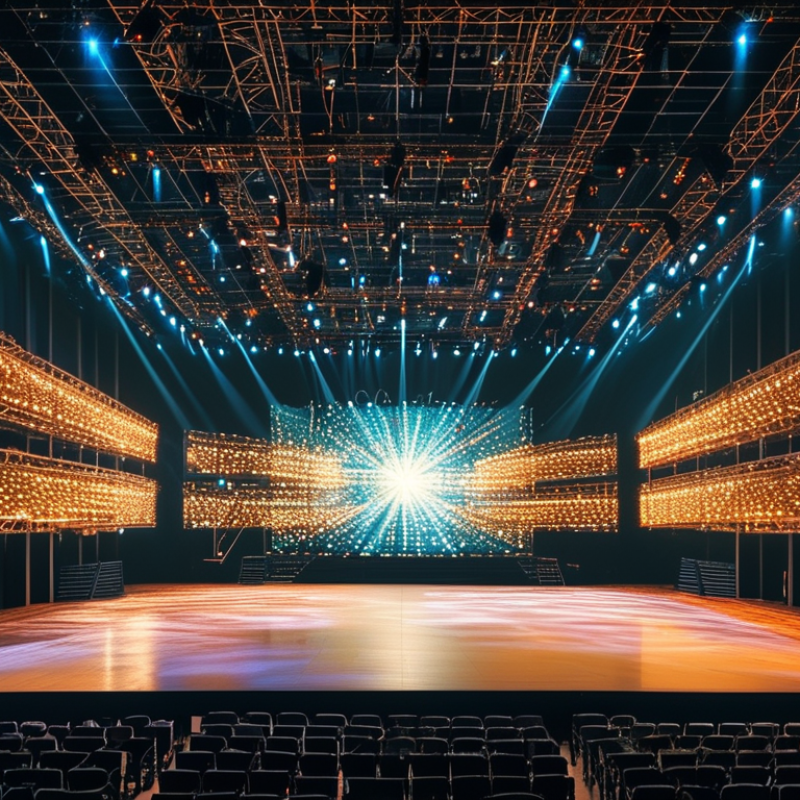
Intelligent stage lighting systems are crucial in the entertainment industry. Understanding their basics helps ensure their longevity. These systems include intelligent moving lights, LED fixtures, and control systems. Regular maintenance can significantly enhance their performance and lifespan. According to industry reports, well-maintained lighting systems can last up to 50% longer than those neglected.
Proper installation of intelligent lighting is essential. Avoid over-tightening screws and ensure all connections are secure. Regularly check for loose wiring. Dust build-up can hinder a fixture's performance. Cleaning fixtures frequently is advised, especially in dusty environments. One study indicated that 70% of lighting failures are due to inadequate maintenance.
Regular software updates are necessary as well. Keeping your control software current ensures compatibility and access to new features. Monitor the environment where lighting systems operate. High humidity or extreme temperatures can affect their functionality. Consider using environmental control systems to stabilize conditions. Investing in staff training can also be beneficial. Properly trained personnel will better understand maintenance protocols and system capabilities. Consistently applying these maintenance practices leads to improved reliability and performance in intelligent stage lighting.
Regular inspection and maintenance are key for intelligent stage lighting systems. These systems are complex and need careful attention. Scheduling regular checks can help you catch small issues before they escalate. For instance, broken lenses or flickering lights can be identified promptly, allowing for quick repairs.
Pay attention to the environment where your lighting is placed. Dust and moisture can degrade performance over time. Clean fixtures regularly to avoid buildup that may affect brightness. Consider the temperature in your venue. Excessive heat can lead to component failure. Maintain adequate ventilation around your lights.
It's also wise to keep records of all maintenance activities. Documenting when inspections occur helps you notice patterns. You may find certain components wear out faster than others, leading to better planning. Reflect on your past maintenance experiences. What worked? What didn’t? This practice can ultimately improve your lighting’s reliability and quality for future events.
Cleaning and protecting intelligent stage lighting fixtures is essential for their longevity. Regular cleaning helps maintain performance and visual quality. Dust and debris can accumulate on lenses and reflectors, affecting light output. Use a soft microfiber cloth for routine dusting. For more thorough cleaning, a gentle soap solution can help remove stubborn grime. Always turn off the lights and allow them to cool before cleaning.
Protecting fixtures from environmental factors is also crucial. Consider using covers when the equipment is not in use. This shields them from dust and moisture. Humidity can corrode electrical components. Ensure that the storage area has proper ventilation and is away from direct sunlight. If fixtures are exposed to outdoor elements, additional waterproof enclosures may be necessary.
Assessing the condition of lighting fixtures regularly is beneficial. Look for signs of wear or damage. Fixtures may develop issues over time, which can be hard to spot initially. Small cracks or loose connections can lead to bigger problems. Keeping a maintenance log helps track any repairs or inspections. This not only promotes accountability but also enhances overall operational efficiency.
Intelligent stage lighting can enhance any performance, but technical issues are common. One frequent problem is flickering lights. This can result from poor power supply or faulty dimmers. Check the connections and inspect the cabling. Sometimes, a simple reset might restore functionality. Be diligent in identifying power sources. Even a slight fluctuation can cause problems.
Another issue often faced is unresponsive fixtures. This can happen due to software glitches or communication failures. Regularly updating the firmware can help. Ensure that your control systems are compatible with all fixtures. Cleaning the fixtures is also crucial. Dust can accumulate and hinder performance. However, cleaning requires careful handling; improper methods can damage delicate components.
It’s essential to monitor your system regularly. Ignoring small issues can lead to larger, more expensive breakdowns. Keeping a maintenance log can help track when problems arise. Analyze patterns to spot reoccurring issues. This proactive approach can save time and money in the long run. Embracing a hands-on attitude will improve the longevity and reliability of your intelligent stage lighting setup.
Upgrading lighting technology is crucial for maintaining an intelligent stage environment. With rapid advancements, keeping systems up to date ensures they operate efficiently. According to a report by the Global Lighting Association, lighting technologies are predicted to evolve significantly by 2025, focusing more on energy efficiency and sustainability. These upgrades not only enhance performance but also reduce operating costs by up to 30%.
Investing in automation can also future-proof your stage lighting. Integration of smart controls allows for remote adjustments and programming. A survey from the International Entertainment Technology Association stated that 70% of stage professionals prefer systems that offer user-friendly interfaces and cloud connectivity for flexibility. Failing to adapt could lead to increased expenses and outdated setups. Intelligent systems that incorporate AI and data analytics can significantly improve performance and longevity.
Consideration of sustainability is equally critical. Many venues are now aiming for greener alternatives, with recent studies showing that eco-friendly lighting options can cut energy consumption by up to 50%. As technology advances, so should the approach to lighting maintenance and upgrades. Neglecting these aspects may not only affect the technical performance but could also lead to a decline in audience experience.
: They include moving lights, LED fixtures, and control systems. They are essential for the entertainment industry.
Regular maintenance is key. It can extend the lifespan significantly, sometimes up to 50% longer.
Regularly clean fixtures and check wiring. Dust can hinder performance, and loose connections can cause failures.
Keeping software up to date ensures compatibility and access to new features. It also improves overall performance.
High humidity and extreme temperatures can impair functionality. Monitoring these conditions is crucial for optimal performance.
Upgrades improve efficiency and reduce costs by up to 30%. They also help with energy sustainability and performance.
Yes, automation allows for remote adjustments and programming. It enhances user experience and operational flexibility.
It can lead to increased expenses and performance decline. The audience experience may also suffer as a result.
Well-trained personnel will understand maintenance protocols better and optimize system capabilities effectively.
Eco-friendly options can reduce energy consumption by up to 50%. Sustainability should be considered in upgrades.
Maintaining intelligent stage lighting for long-term use requires a solid understanding of the underlying systems. Regular inspections and maintenance schedules are crucial for optimal performance, as they help identify potential issues before they escalate. Implementing best practices for cleaning and protecting lighting fixtures ensures their longevity and efficiency, while troubleshooting common issues can save both time and resources.
Additionally, staying informed about the latest advancements in lighting technology allows users to upgrade and future-proof their systems effectively. By following these guidelines, one can ensure that their intelligent stage lighting remains reliable and performs at its best over the years. Ultimately, knowing how to maintain intelligent stage lighting for long-term use contributes significantly to enhancing overall production value.

Senning Lights