Choosing the right LED lighting for commercial spaces can significantly impact ambiance and productivity. Expert Richard Thompson, a lighting designer with over 15 years of experience, emphasizes, “Good lighting enhances both employee morale and customer experience.” His insights guide businesses in making informed choices.
When considering how to choose LED lighting for commercial spaces, factors like energy efficiency, light quality, and cost are crucial. Different environments may require unique solutions. For instance, retail spaces benefit from bright, inviting lighting. Offices may need more balanced illumination to reduce eye strain.
It’s vital to reflect on how different lighting applications affect daily operations. Some may overlook the importance of color temperature, while others may ignore maintenance costs. Each decision shapes not just the environment but also the business's overall efficiency. Therefore, careful planning is essential.
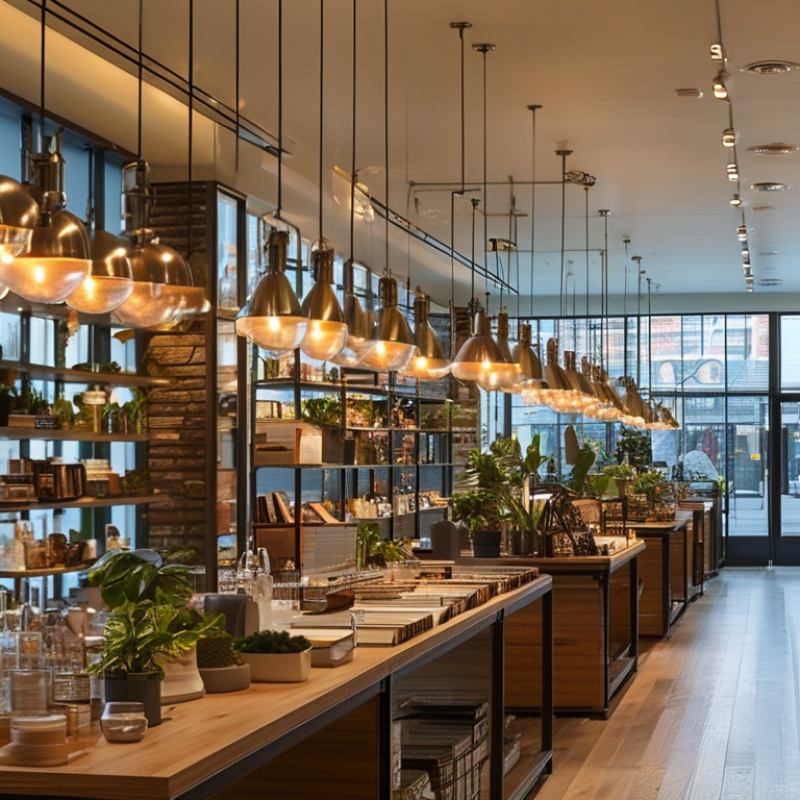
Understanding LED Lighting Technology in Commercial Spaces
Understanding LED Lighting Technology in Commercial Spaces
LED lighting technology has revolutionized commercial spaces, providing energy-efficient solutions. According to the U.S. Department of Energy, LED lights consume up to 75% less energy than traditional incandescent bulbs. This can significantly lower energy bills for businesses. Moreover, LED lights have a longer lifespan, reducing maintenance costs. They last an average of 25,000 hours compared to just 1,000 hours for incandescent options.
Tip: Focus on the Color Temperature. Commercial spaces require specific lighting to create desired atmospheres. Cooler light (4000K-5000K) promotes alertness, while warmer light (3000K-3500K) fosters a relaxed environment. Consider the purpose of each area in your space.
Another consideration is the
quality of light. The
Color Rendering Index (CRI) measures how accurately colors appear under artificial light. A CRI of
80 or higher is ideal for most commercial environments. This enhances visibility and improves employee satisfaction.
Tip: Don’t overlook dimming capabilities. Dimmable LED lights provide flexibility, allowing changes to the lighting needs throughout the day. They can adapt to different activities, ensuring comfort and energy savings.
By understanding these technology aspects, businesses can optimize their lighting systems, enhancing both performance and ambiance. Balancing efficiency, cost, and aesthetic appeal remains a challenge, calling for thoughtful planning and implementation.
Evaluating Lumens and Watts: Balancing Brightness and Energy Efficiency
When selecting LED lighting for commercial spaces, evaluating lumens and watts is crucial. Lumens measure brightness. For example, a typical office needs around 500-700 lumens per square meter. This ensures adequate visibility for tasks. Watts measure energy consumption. Modern LED lights use significantly fewer watts for the same lumens compared to traditional bulbs. This dual consideration helps balance brightness and energy efficiency effectively.
Research indicates that LED lighting can reduce energy consumption by up to 75% compared to incandescent bulbs. In a commercial setting, this translates to significant savings on energy bills. A report by the U.S. Department of Energy states that widespread LED adoption could save over $30 billion in energy costs by 2027. However, not all LEDs are created equal. Some may provide lower lumens while consuming more watts. Choosing high-quality products is essential. Ensure the LEDs meet recognized efficiency standards to maximize both brightness and savings.
Lighting also impacts employee productivity. Insufficient lighting can lead to eye strain. This can hurt overall performance. Conversely, overly bright environments may cause discomfort. Aim for a careful balance. Evaluate lighting needs regularly. Adjust lumens and watts as necessary to maintain an efficient and pleasant working atmosphere.
10 Tips to Choose LED Lighting for Your Commercial Space - Evaluating Lumens and Watts: Balancing Brightness and Energy Efficiency
| Tip |
Description |
Recommended Lumens |
Wattage Range |
Application |
| Evaluate Space Type |
Different spaces require different lighting. |
600-1000 |
10-20 |
Offices |
| Consider Color Temperature |
Affects mood and productivity. |
3000K-5000K |
10-25 |
Retail Spaces |
| Avoid Glare |
Select fixtures that minimize glare. |
500-800 |
15-30 |
Conference Rooms |
| Use Dimmable Fixtures |
Adjust lighting as per need. |
250-900 |
10-40 |
Multipurpose Rooms |
| Incorporate Smart Technology |
Enhances energy efficiency. |
500-1000 |
15-25 |
Smart Offices |
| Plan for Natural Light |
Maximize usage of daylight. |
400-700 |
10-20 |
Windowed Areas |
| Select Quality Fixtures |
Invest in durable and efficient fixtures. |
800-1200 |
20-40 |
High Traffic Areas |
| Focus on Light Distribution |
Ensure even light spread. |
600-900 |
15-35 |
Workspaces |
| Assess Energy Use |
Calculate long-term energy savings. |
300-800 |
5-20 |
Any Commercial Space |
Choosing the Right Color Temperature for Your Business Environment
Choosing the right color temperature is essential for a commercial space. Color temperature is measured in Kelvin (K). The right choice can impact productivity, mood, and even customer behavior. Studies show that cooler temperatures (5000K) can enhance alertness and focus in tasks. In contrast, warmer temperatures (3000K) promote a relaxed atmosphere.
Research indicates that 62% of consumers feel more at ease in spaces with warmer lighting. This is critical for environments like cafes or salons, where comfort is vital. However, a significant percentage of businesses neglect this aspect. They often choose a single color temperature without considering how it affects people. A poorly lit area can lead to discomfort. Overly bright lighting can be harsh and uninviting.
Companies should assess the intended purpose of each space carefully. The color temperature should align with the activities within. Multi-use spaces may require varying temperatures. Staff input is often overlooked, yet their comfort directly influences performance. Regular evaluations can improve lighting efficiency. Recognizing the nuanced effects of color temperature is pivotal for a successful business environment.
Assessing Lifespan and Maintenance Costs of LED Fixtures
When considering LED lighting for commercial spaces, understanding lifespan and maintenance costs is crucial. LED fixtures typically last longer than traditional lighting. They can last anywhere from 25,000 to 50,000 hours, which is a significant benefit. However, not all LED products are created equal. Some cheaper options may fail sooner than expected, leading to increased replacement costs.
Maintenance costs also matter. While LEDs reduce energy bills, replacing faulty units can be labor-intensive. Calculate the total cost of ownership over time. A longer-lasting fixture might save money, even with a higher upfront cost. Regular inspections are essential. Sometimes, a fixture may flicker or dim, indicating the need for attention before it fails completely.
Assessing the right LEDs involves understanding these factors. Reflect on your needs and the environment of your commercial space. Lighting is not just about aesthetics; it impacts productivity and safety. Consider energy efficiency and maintenance requirements holistically for the best outcomes.
The Impact of Lighting Design on Employee Productivity and Customer Experience
Effective lighting significantly influences employee productivity and customer experience. Studies show that well-designed lighting can improve focus and reduce eye strain. For instance, natural light assists in maintaining circadian rhythms. This balance helps employees feel energized and ready to work.
In contrast, poor lighting can lead to discomfort and decreased performance. A dimly lit space may make tasks harder to accomplish. Similarly, harsh or flickering lights can irritate both staff and customers. Consider using adjustable LED lights to cater to different times of the day. Flexible arrangements allow for a dynamic atmosphere, enhancing overall satisfaction.
Choosing the right color temperature is crucial as well. Warmer tones create a cozy, welcoming feel, ideal for retail spaces. Cooler tones, on the other hand, promote alertness and focus, suitable for offices. It's essential to find a balance that suits the specific environment. Sometimes, trial and error is needed to discover what works best.
Impact of LED Lighting on Employee Productivity and Customer Experience
Conclusion
When considering how to choose LED lighting for commercial spaces, it is essential to first understand the technology behind LED lighting and its advantages in a commercial setting. Evaluating lumens and watts allows business owners to strike the right balance between brightness and energy efficiency, ensuring that the lighting serves its purpose without excessive energy costs.
Additionally, selecting the appropriate color temperature contributes significantly to creating the desired ambiance and affecting employee productivity and customer experience. Understanding the lifespan of LED fixtures and the associated maintenance costs is crucial for making a cost-effective decision. Ultimately, thoughtful lighting design not only enhances the aesthetic appeal of a commercial space but also plays a vital role in improving both work performance and customer satisfaction.

 Senning Lights