In the world of live performances, lighting plays a crucial role. It sets the mood, enhances the visual experience, and captivates the audience. Understanding "how to use LED lighting to create different stage atmospheres" is essential for any event planner or designer. Industry expert John Cosgrove emphasizes the importance of this tool. He once said, "Lighting can transform a mundane space into something magical."
LED lighting offers versatility in color and intensity, making it ideal for diverse performances. A well-placed LED fixture can highlight a singer's emotion or accentuate the drama of a play. For instance, shifting from cool blue tones to warm amber can create unexpected emotional shifts. However, mastering this technology is not without challenges.
Many overlook the need for balance. Too much light can overwhelm, while too little can disengage. It's vital to experiment and reflect on how different settings affect mood. The journey to creating stunning atmospheres with LED lighting requires both creativity and practical knowledge. By understanding these dynamics, designers can elevate any stage experience to new heights.
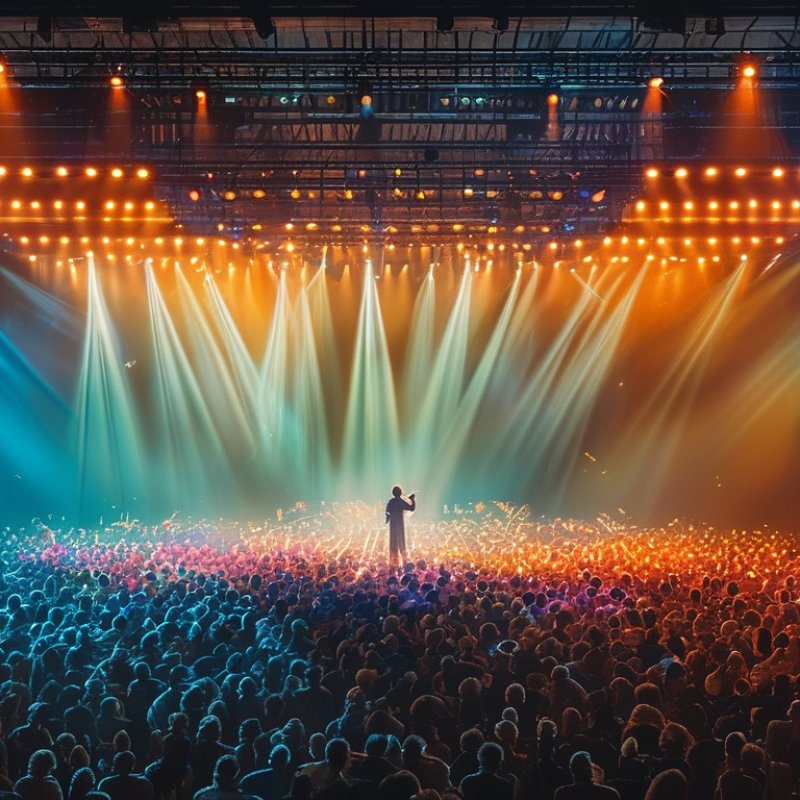
LED lighting has transformed stage design, offering vibrant colors and dynamic effects. Understanding the basic components is essential for effective use. Each LED fixture emits light in various spectrums, enabling you to create moods ranging from warm and inviting to cold and dramatic. These lights are often energy-efficient, making them a popular choice in the industry.
When designing your stage atmosphere, consider placement and arrangement. Positioning lights at different angles allows you to enhance depth and drama. Experimentation is key. Test various setups before finalizing your design. Sometimes, the unexpected combinations yield the most captivating results.
Adaptability is another advantage of LED technology. Lights can change colors rapidly or even transition slowly for emotional impact. However, keep in mind that too many changes can overwhelm your audience. Find a balance that feels right. Each performance is a chance to refine your approach and improve the overall experience.
| Lighting Type | Color Effects | Best Uses | Power Consumption (W) |
|---|---|---|---|
| PAR Can Lights | Warm and Cool White | Concerts, Theatrical Performances | 150 |
| LED Strip Lights | Multi-Color Chasing | Set Design, Backlighting | 50 |
| Moving Head Lights | Gobos & Patterns | Live Shows, DJ Events | 250 |
| LED Wash Lights | Soft Color Wash | Theater, Dance Performances | 120 |
| Fresnel LED Lights | Variable White | Film, Television | 200 |
When it comes to creating stunning stage atmospheres, the choice of LED lights is crucial. Several types of LED lights can transform a performance. Par cans are popular, offering vibrant colors and adjustable beams. These lights are versatile and can be used in various setups. They are effective for both wash and spotlighting effects.
Another great option is LED strip lights. These can be installed along edges or backdrops. Their flexibility allows for creative placement, enhancing depth and dimension. Color-changing options add excitement and influence the mood dramatically.
Tips: Experiment with different colors and placements. This could be a game changer for your stage. Regularly assess the lighting’s impact on the audience. Does it energize or distract? Reflection on this can lead to improvement. Consider combining multiple light types for a rich visual tapestry. Missing these details might dilute the intended atmosphere.
Remember, less can be more. Overloading the stage with light may create confusion. Focus on key moments instead of constant lighting changes. Adjustments based on audience reactions can refine your approach, making each performance unique.
LED lighting has transformed stage design, offering vibrant colors and flexibility in placement. Effective LED placement is essential for creating engaging atmospheres. According to industry reports, well-placed lights can enhance audience immersion by up to 75%. This shows that strategic positioning is critical.
Consider the stage's layout and the audience's perspective. Place lights where they can accentuate key features. Facilitating smooth transitions between scenes can enhance visual storytelling. For instance, uplighting on walls or structures can produce an enchanting backdrop. Experimenting with angles can lead to unexpected visuals.
However, overusing LEDs can lead to visual fatigue. Brightness levels must be carefully monitored. Too much light can detract from the performance, causing distraction. Balancing brightness ensures a captivating experience without overwhelming the senses. Testing different configurations and lighting intensities before finalizing designs is advisable. This iterative approach often leads to breakthroughs in stage atmosphere design.
LED technology has transformed the way we create atmospheres on stage. By using dynamic color schemes, we can evoke emotions and set the mood for any performance. Bright reds can intensify passion, while cool blues create a sense of calm. Each color tells a story. Yet, it’s essential to choose a palette that aligns with the theme. A mismatch can confuse the audience.
Experimenting with color transitions adds depth to the performance. Slow fades between shades can create a dreamlike effect. However, rapid changes might overwhelm viewers if not executed wisely. Balance is key. Sometimes, less is more. A simple wash of green might feel more powerful than an overly complex scheme.
Consider the importance of lighting placement. Positioning lights at different angles can highlight specific areas. Shadows add intrigue but can also obscure essential details. Finding the right balance takes practice and reflection. Engaging visuals require ongoing experimentation and learning from feedback. It’s an evolving art. Understanding your audience's reaction is vital. Each performance is an opportunity to refine your skills.
Integrating LED lighting into stage design opens up exciting possibilities. When combined with other stage elements, it can transform environments and shape audience experiences. Recent industry reports indicate that 87% of event planners believe that effective lighting significantly enhances the emotional impact of performances. By varying brightness and color, LED lights can create moods ranging from vibrant and energetic to calm and introspective.
Layering LED lighting with other elements like set design and audio can amplify this effect. For instance, syncing lighting changes with musical crescendos elevates the storytelling. In a recent survey, 60% of lighting designers suggested that cohesive integration with sound or video creates a seamless experience. However, challenges arise in achieving this balance. Overly bright or poorly coordinated lighting can distract from the performance rather than enhance it.
Practical experimentation is crucial. Testing different combinations of lighting and stage components can yield surprisingly effective results. As the industry evolves, staying updated on trends and technologies is vital. Understanding how to blend LED lighting with other theatrical elements is not just an art; it's a necessary skill that continues to grow in importance. The integration process often requires adjustments and refinements for optimal impact. Embracing these challenges can lead to truly stunning stage atmospheres.
: Par cans and LED strip lights are excellent choices. They offer vibrant colors and flexibility in design.
They can be installed creatively along edges or backdrops. Their flexibility adds depth and dimension to the stage.
Think about the stage layout and audience perspective. Place lights to accentuate key features effectively.
Experimenting with colors can shift the mood dramatically. Regularly assess whether it energizes or distracts the audience.
Yes, overloading the stage with light can create confusion. Focus on key moments instead of constant lighting changes.
Too much brightness can cause visual fatigue and distraction. Balance is essential for a captivating experience.
Well-placed lights can enhance immersion by up to 75%. Strategic positioning is crucial for engagement.
Yes, combining different light types can create a rich visual tapestry. Missing this could dilute the atmosphere.
Testing different configurations and intensities is advisable. An iterative approach can lead to breakthroughs in design.
Without reflection, you might miss opportunities for improvement. Continuous evaluation helps refine your approach.
In the exploration of how to use LED lighting to create different stage atmospheres, it is crucial to first grasp the basics of LED technology tailored for stage use. Understanding the various types of LED lights available allows designers to select the most appropriate fixtures to complement the desired mood. Effective placement and design techniques are essential to maximize the impact of lighting, ensuring that it enhances the performance while maintaining artistic integrity.
Moreover, creating dynamic color schemes with LED technology can transform a stage, offering a range of emotional responses from the audience. Integrating LED lighting with other stage elements such as set design and sound can further amplify the overall experience, making it immersive and memorable. By mastering these techniques, lighting designers can truly elevate stage productions and craft captivating atmospheres that resonate with viewers.

Senning Lights