In an era defined by global energy transitions and strict environmental mandates, the entertainment and event production industry faces an unprecedented challenge: decarbonizing live experiences without compromising visual impact. Historically, large-scale concert stages, theatrical houses, and commercial exhibition venues consumed massive amounts of electricity, driven by inefficient incandescent and gas-discharge lamps. Traditional fixtures not only placed intense loads on localized power grids but also generated significant thermal output, requiring secondary cooling systems that exacerbated power drain.
Today, the transition to energy-efficient stage lighting has shifted from a peripheral sustainability goal to a core regulatory and operational requirement. Major municipal bodies and global production tours now mandate compliance with strict energy metrics. Consequently, the role of a leading China energy-efficient stage lighting factory and exporter has transformed. Exporters are no longer merely assembling components; they are engineering high-efficiency luminaire systems that achieve industry-leading lumens-per-watt ratios, integrate advanced power factor correction (PFC) circuitry, and leverage digital control networks to minimize idle power draw.
By replacing legacy discharge fixtures with high-efficacy LED configurations, venues can expect up to a 70% reduction in direct power consumption. When factoring in the decreased thermal load on HVAC infrastructure and the elimination of frequent lamp replacement cycles, the lifetime return on investment (ROI) makes energy-efficient upgrades a standard capital improvement strategy for B2B buyers worldwide.
The demand for high-efficiency lighting systems varies dynamically across different regional markets. In Western Europe, stringent regulations such as the European Union’s Ecodesign Directive are phasing out low-efficiency lamps, pushing theaters and rental companies to adopt LED technologies. In North America, particularly the USA, the market is driven by large-scale entertainment tours, massive corporate activations, and house-of-worship upgrades, where high reliability must match energy efficiency.
For B2B importers, finding a manufacturing partner that possesses the capital, R&D depth, and quality control systems to satisfy these diverse regulatory landscapes is critical. This is where China’s manufacturing hubs, led by pioneers like Guangzhou Senning Lighting Equipment Co., Ltd. (EV LIGHT), provide vital global support. By leveraging integrated supply chains and concentrating production within high-tech industrial parks, Chinese exporters deliver advanced technology at scales that remain cost-competitive in the international marketplace.
Equipped with state-of-the-art goniophotometers, integrating spheres, and climate chamber chambers. Every luminaire undergoes rigorous thermal mapping and stress testing to ensure performance under extreme stage environments.
With 90% of revenue generated from OEM and ODM partnerships, primarily in the USA, our engineers are well-versed in UL, ETL, FCC, and Energy Star requirements, facilitating seamless market compliance.
Our 26,000 square meter industrial park houses complete tooling, surface treatment, electronic SMT, assembly, and quality assurance divisions. This integration guarantees consistent build quality and fast production cycles.
Operating under the recognized EV LIGHT brand, Guangzhou Senning Lighting Equipment Co., Ltd. has established a leading position in the international stage lighting industry. Over many years of dedicated R&D, manufacture, and sales of professional, intelligent stage lighting and LED lighting products, we have streamlined high-precision manufacturing. Operating from our expansive production facility, we execute strict supply chain quality control, ensuring that everything from structural components to sophisticated digital control systems aligns with international performance expectations.
The development of next-generation stage lighting is driven by improvements in three core disciplines: optics, thermal dynamics, and intelligence. Our R&D department continues to innovate in these key areas, addressing the real-world operational challenges faced by designers and installers worldwide.
To reduce power consumption, we focus on maximizing the optical efficiency of our lenses and reflectors. By using high-transmittance optical materials and optimizing chip-on-board (COB) LED arrays, we minimize optical attenuation and scatter, ensuring that light is projected precisely where it is needed.
Heat is the primary limiting factor for both LED lifespan and driver efficiency. Our engineering teams design custom copper heat pipes and use computational fluid dynamics (CFD) modeling to build active and passive cooling solutions. These systems keep junction temperatures low, ensuring stable light output and preventing color shifts during extended events.
Our stage lighting solutions include advanced power factor correction (PFC) circuitry. This minimizes reactive power losses and stabilizes power distribution grids in temporary event setups. By supporting DMX512-A, RDM, DALI 2.0, and wireless control networks, our fixtures enable remote diagnostics and precise power profiling, eliminating the energy waste of idle systems.
Deploying graphene-based coatings to increase thermal dissipation, enabling fanless silent operations essential for broadcast studios, theaters, and opera houses.
Integrating real-time power scaling drivers that adjust power usage based on light output, reducing energy draw when fixtures are dimmed.
Replacing high-wattage discharge source follow-spots and searchlights with ultra-efficient laser systems that produce intense beams at a fraction of the power consumption.
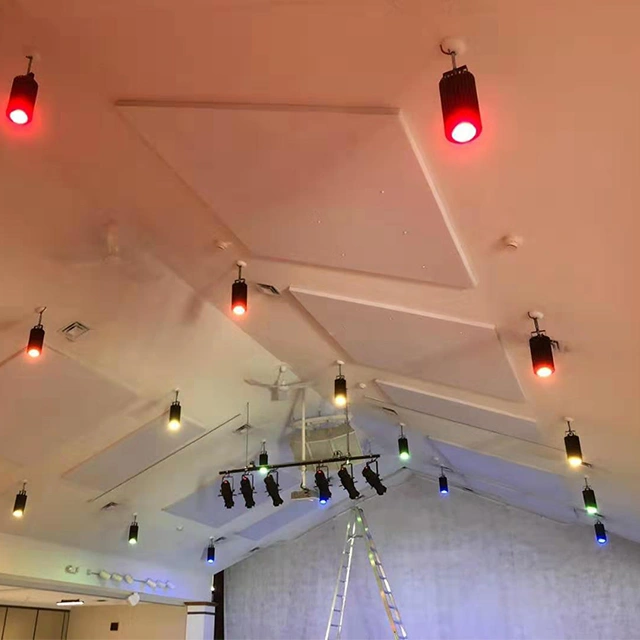
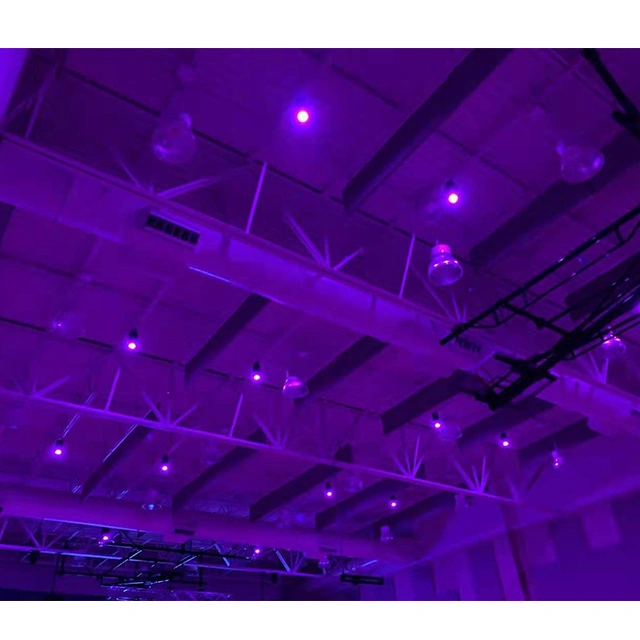
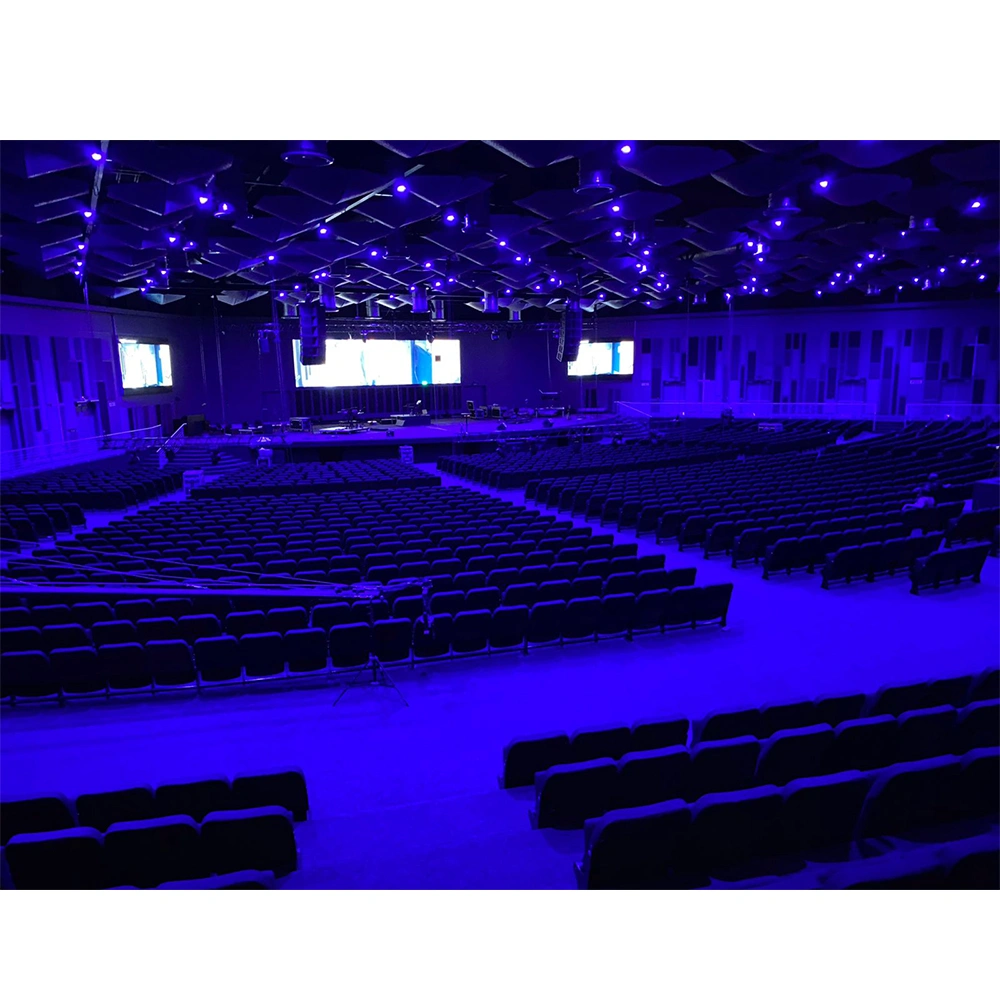
Our energy-efficient stage lighting and architectural fixtures are utilized in a variety of sectors worldwide. From high-profile live concert tours and theatrical productions to architectural installations and house-of-worship upgrades, these solutions deliver high performance while supporting sustainability goals.
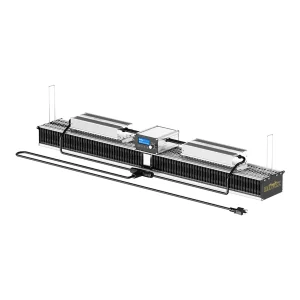
Sourcing high-performance stage lighting from China requires careful evaluation of manufacturing capability and technical compliance. At EV LIGHT, we have developed structured quality assurance protocols and supply chain strategies to ensure reliable global delivery.
Energy-efficient stage lighting relies on advanced light sources (like LEDs and laser engines) paired with high-efficiency switching power supplies (typically with a power factor >0.95). Conventional lighting systems lose a large portion of their energy to infrared radiation (heat), whereas modern fixtures optimize light emission to match specific visible wavelengths, achieving high lumen-per-watt ratios and minimizing thermal loss.
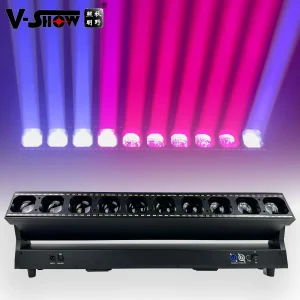
Color consistency is maintained by sourcing LEDs from tightly controlled color bins (MacAdam Ellipse steps 3 or fewer) and using advanced multi-spectral color-mixing calibrations. This ensures that every wash moving bar or PAR spotlight matches perfectly in hue, color rendering index (CRI), and brightness, regardless of the production batch.
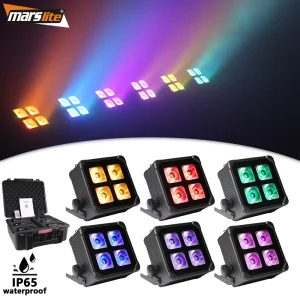
Yes. Our wireless battery-powered PAR lights feature integrated wireless DMX receivers operating on adaptive frequency-hopping spread spectrum (AFHSS) technology, which avoids interference from other local networks. When paired with high-performance lithium-ion cells, these fixtures support long runtimes, providing a reliable and cable-free solution for fast-paced events.
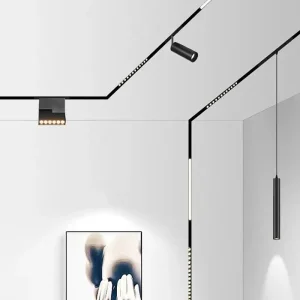
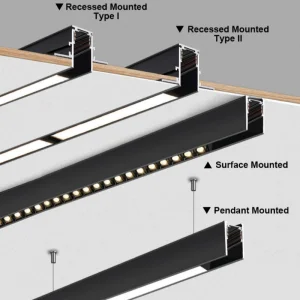
A low-voltage 48V system provides safe installation, easy maintenance, and minimal voltage drop across long track lengths. DALI (Digital Addressable Lighting Interface) integration enables precise control over dimming, scene creation, and addressing for individual luminaires, making it highly effective for galleries, studios, and architectural spaces.
Our vertical manufacturing system supports robust OEM/ODM services. We manage the entire lifecycle in-house—from initial industrial design and optical simulation to PCB design, metalwork, and quality assurance testing. This integrated approach allows us to meet specific mechanical and photometric requirements with short lead times.
 Senning Lights