Explore EV LIGHT's premier high-performance low voltage linear configurations, high-CRI stage spotlights, and intelligent DALI/DMX controller ecosystems designed for global professional installations.
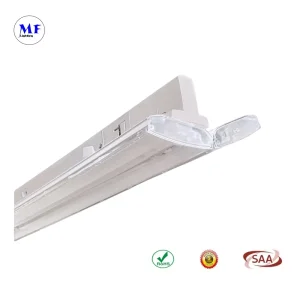
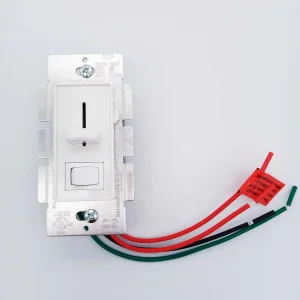
In the contemporary global landscape, multi-national enterprises, lighting designers, and real estate developers are shifting towards low voltage LED technology (principally 12V, 24V, and 48V systems). This migration is fueled by strict compliance standards including the National Electrical Code (NEC) Class 2 circuit regulations, European Union's SELV (Safety Extra Low Voltage) requirements, and localized environmental assessments. Sourcing from a reliable, ISO 9001 certified Chinese manufacturer helps organizations reduce total cost of ownership (TCO) while securing top-tier engineering support.
Low voltage topologies mitigate risk in damp, public-accessible, and highly dynamic environments. By implementing structural step-down power configurations, businesses experience lower fire hazards, reduced insurance premiums, and simplified local electrical permits. From complex theatrical arrays to smart-city retail corridors, the requirement is clear: systems must offer modularity, high efficacy (lm/W), and deep integration capability with systems like DMX512, DALI, and IoT wireless mesh topologies.
When designing high-density layouts over extended runs, electrical engineers struggle with voltage drop and chromaticity shift. Sourcing low voltage LEDs requires a deep understanding of copper trace thickness (commonly 2oz or 3oz double-sided FPCB structures) and the strategic deployment of constant current ICs within flexible layouts.
At Guangzhou Senning Lighting Equipment Co., Ltd. (EV LIGHT), we integrate customized power management systems that compensate for line losses. Our 24V DC systems allow for longer runs without luminaire attenuation, while maintaining an SDCM (Standard Deviation Color Matching) of less than 3, ensuring uniformity in corporate headquarters, stage environments, and industrial facilities.
| System Parameter | 12V DC System | 24V DC System | 48V DC System (Trend) |
|---|---|---|---|
| Max Run Length (Single Feed) | Up to 5 Meters | Up to 10 Meters | Up to 20-30 Meters |
| Voltage Drop Severity | High (Needs frequent feeds) | Moderate (Industry Standard) | Low (Excellent for long runs) |
| Copper Trace Thickness | 2oz FPCB | 3oz FPCB Recommended | 3oz to 4oz Solid Trace |
| Thermal Profile | Lower current per segment | Balanced thermals (LM-80 standard) | Highly efficient, ultra-low loss |
| Key Applications | Display Cases, Custom Signage | Architectural Neon, Stage Backlights | High-bay Track Systems, Linear runs |
Established as a premier force in professional stage illumination and smart LED engineering, Guangzhou Senning Lighting Equipment Co., Ltd. (operating globally under the premium brand EV LIGHT) represents the pinnacle of manufacturing infrastructure. Spanning a state-of-the-art 26,000 square meter high-tech industrial park, our facilities integrate advanced R&D laboratories, high-volume automated SMT electronic workshops, and rigorous environment-simulation testing chambers.
Unlike trading intermediaries, EV LIGHT is built on a service model where 90% of our gross output originates from complex OEM and ODM partnerships, with the United States and the European Union serving as our primary markets. From custom-molded silicone extrusion profiles to IP65/IP68 ingress-protected linear bars, our engineers collaborate directly with enterprise clients to customize products to exact building specs and local utility compliance rules.
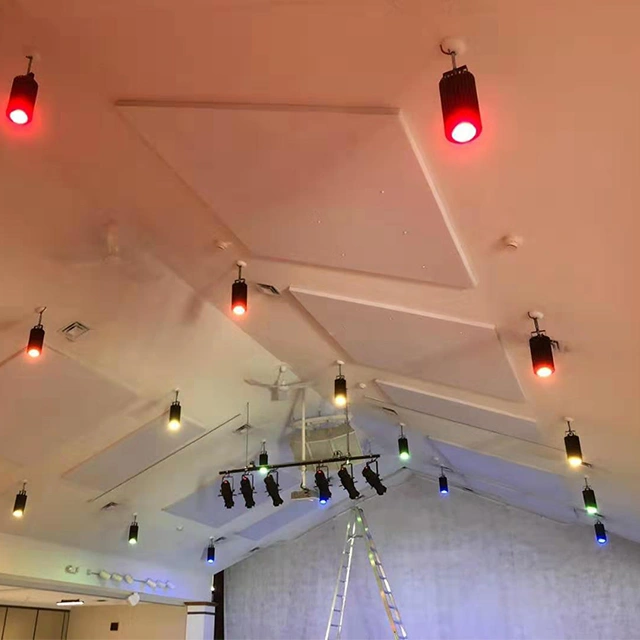
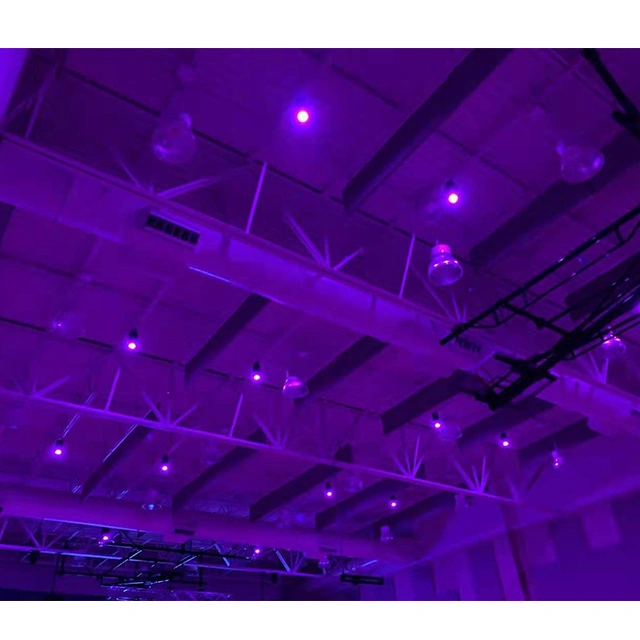
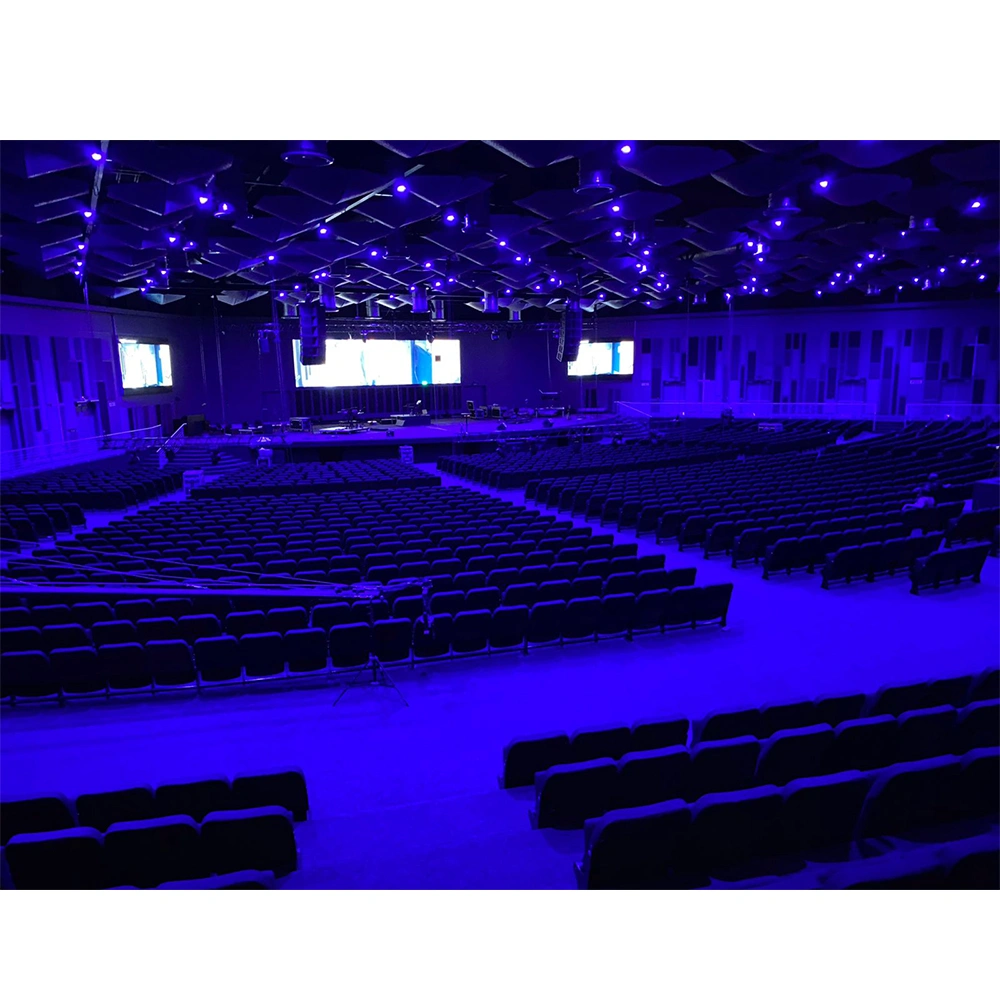
Utilizing high-grade, UV-resistant organic silicone instead of PVC prevents yellowing and cracking in extreme outdoor environments (-40°C to 60°C).
By integrating Lime, Amber, and Cyan emitters into traditional RGB arrays, we achieve rich, multi-octave spectrum controls suitable for studio-grade lighting.
Designed for off-grid smart-city streetlights, solar units integrate MPPT algorithms to ensure conversion rates up to 98.7%.
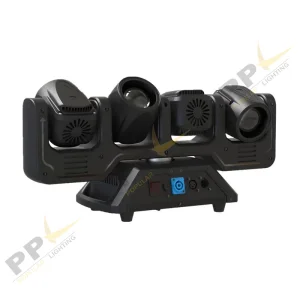
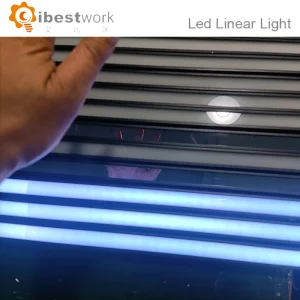
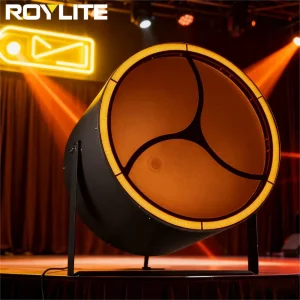
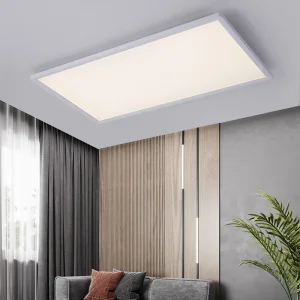
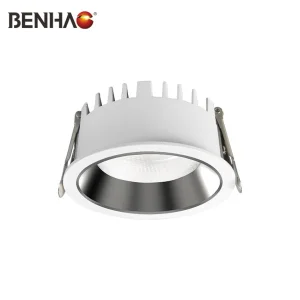
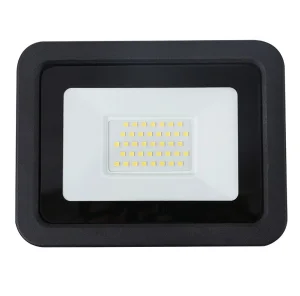
Advanced linear matrices, high-efficacy downlights, moving heads, and outdoor-rated floodlights for commercial, landscape, and stage application frameworks.
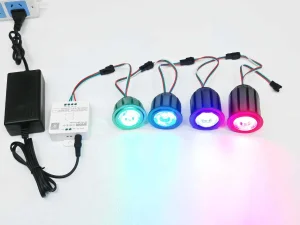
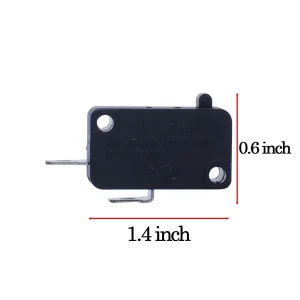
EV LIGHT products undergo rigorous electrical and physical tests to guarantee safe operation under high-stress conditions. In our 26,000 square meter industrial park, our testing regimens verify parameters such as total harmonic distortion (THD < 15%), power factor stability (PF > 0.95), and precise thermal dissipation values under prolonged maximum load scenarios.
Our manufacturing workflows conform to international standards, qualifying our fixtures for global regulatory frameworks:
Higher voltage topologies (such as 24V or 48V) reduce electrical current flow for a given wattage. This reduction limits voltage drop over long cable runs, resulting in more uniform brightness levels and lower thermal loads on the PCB boards. Additionally, it allows you to connect more fixtures to a single power supply, reducing total component costs.
We use an automated binning process to group LEDs within a tight 3-step MacAdam ellipse range (SDCM < 3). This ensures that replacement modules match the color temperature and chromaticity coordinates of the original installation, preventing visible color variations.
We offer comprehensive OEM/ODM customization services, including custom FPCB layouts, custom extrusion profiles, proprietary housing designs, specific power factor ratings, variable color temperatures, and tailored control protocols (such as DALI-2, DMX512, RDM, or Zigbee).
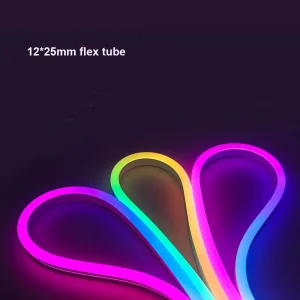
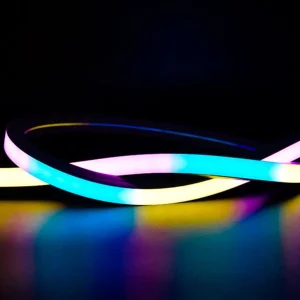
Our premium flexible neon range is constructed with food-grade, co-extruded silicone. Unlike standard PVC options, silicone has high UV stability, which prevents yellowing, hardening, and cracking when exposed to intense solar radiation and extreme outdoor temperatures.
Our fixtures are designed to meet UL 8750 safety standards, and we utilize drivers that comply with NEC Class 2 electrical safety guidelines, making them easy to approve during local inspections.
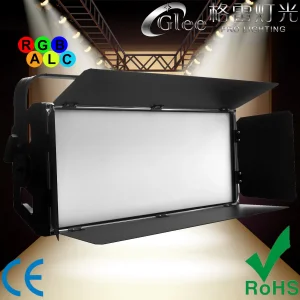
By incorporating Amber, Lime, and Cyan LEDs into the array alongside standard Red, Green, and Blue, the RGBALC system offers a wider color spectrum. This allows designers to match specific color gels and achieve a high CRI (Color Rendering Index) across a broad white light color temperature range (2700K to 8000K).
Standard OEM production runs typically ship within 25 to 35 days from prototype approval, depending on materials availability. Custom molding requests or specialized testing parameters may add 2 to 3 weeks to the initial preparation phase.
Our Maximum Power Point Tracking (MPPT) system monitors the solar panel's output to find the optimal operating voltage and current. This technology provides up to 30% higher charging efficiency compared to standard PWM controllers, ensuring reliable lighting performance even during periods of low sunlight.
 Senning Lights