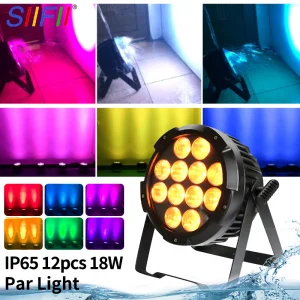
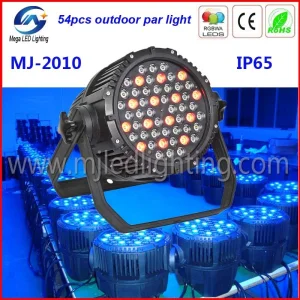
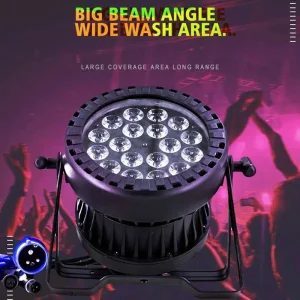
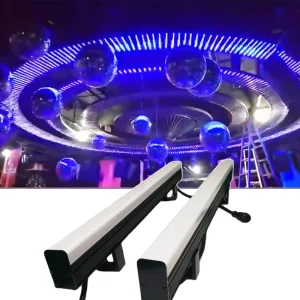
Designed specifically to withstand coastal salinity, extreme UV exposure, and heavy tropical monsoon downpours.
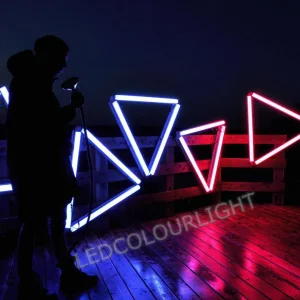
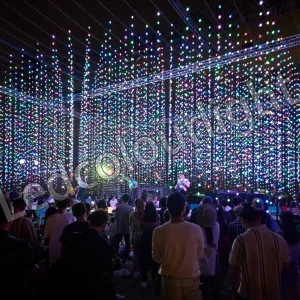
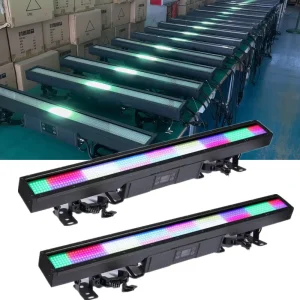
The Republic of Maldives is globally recognized as the epitome of luxury island tourism, hosting over 170 high-end resorts scattered across 26 geographical atolls. In this ultra-competitive hospitality market, visual staging is no longer merely functional—it is a core element of brand differentiation. Luxury resorts, overwater villas, and oceanfront event spaces rely heavily on immersive, high-impact illumination to create evening experiences, beach weddings, and grand DJ performances. However, the geographic reality of the Maldives places unprecedented demands on stage and architectural lighting fixtures.
Operating outdoor stage lighting in the Maldives means exposing sensitive electronics and optics to a highly saline marine atmosphere, constant relative humidity fluctuating between 70% and 90%, high ambient temperatures, and sudden tropical monsoons. Ordinary outdoor stage lights designed for inland conditions fail rapidly under these conditions. The combination of salt-fog and humidity accelerates galvanic corrosion, destroying electrical connectors, clouding high-precision lenses, and short-circuiting LED drivers.
"To survive the Maldivian coastal environment, outdoor stage fixtures must move beyond basic weatherproofing. True resilience requires C5-M (Marine Grade) anti-corrosion engineering, advanced pressure-equalizing ventilation, and smart, integrated thermal regulation systems."
On a global scale, the entertainment and architectural lighting industry is shifting rapidly toward intelligent, eco-friendly systems. High-efficacy LEDs are replacing energy-intensive discharge lamps, and control topologies have evolved from basic wired DMX-512 to wireless protocols and networked Art-Net/sACN systems. In the Maldives, this transition is motivated by a critical constraint: power generation. Most Maldivian resort islands operate on localized, isolated microgrids powered by diesel generators or combined solar-battery storage installations. Energy efficiency in stage and architectural lighting is not just a regulatory compliance matter; it directly impacts a resort's operational fuel consumption and microgrid stability.
When evaluating outdoor LED stage lights for the Maldives, procurement officers and stage designers must look deep into the engineering specifications of the hardware. The primary failure modes of outdoor stage fixtures in coastal areas stem from three main environmental factors:
When salt-laden air contacts metal surfaces, it acts as an electrolyte, accelerating galvanic corrosion—especially where different metals meet (e.g., stainless steel screws securing an aluminum chassis). True marine-grade fixtures utilize die-cast aluminum alloys with low copper content, coupled with multi-stage powder coating systems (electrophoresis followed by polyester powder topcoats). The hardware—screws, brackets, safety cable attachments—must be constructed from SUS316 stainless steel to resist oxidation.
As outdoor fixtures heat up during operation and cool down at night in the humid ocean air, a pressure differential is created between the interior of the light and the outside environment. This differential draws humid, salt-saturated air inside. Once the temperature drops, the moisture condenses on the optics, electronics, and LED chips. To prevent this, premium fixtures are equipped with pressure-equalizing valves (such as Gore-Tex vents) that allow air to pass through while blocking liquid water and salt particles, maintaining internal relative humidity at near-zero levels.
Tropical UV radiation in the Maldives is exceptionally high. Plastic optical lenses and silicone seals can yellow and degrade under constant exposure. High-end stage lighting relies on optical glass or UV-stabilized PMMA lenses. Furthermore, because of high ambient tropical temperatures (often exceeding 32°C even at night), passive cooling designs with oversized, high-conductivity heat sinks are preferred over cooling fans, which can fail or draw salty air into the casing.
The application of stage lighting in the Maldives is highly specialized. Unlike standard concerts or theaters, Maldives resorts integrate stage lighting directly into the natural environment to create multi-sensory experiences:
Real-world applications of our marine-grade lighting technology across premium island resorts and overwater pavilions.
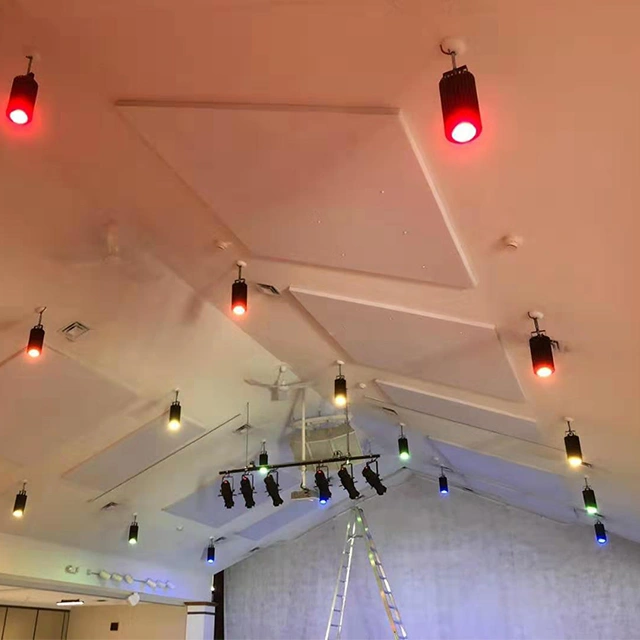
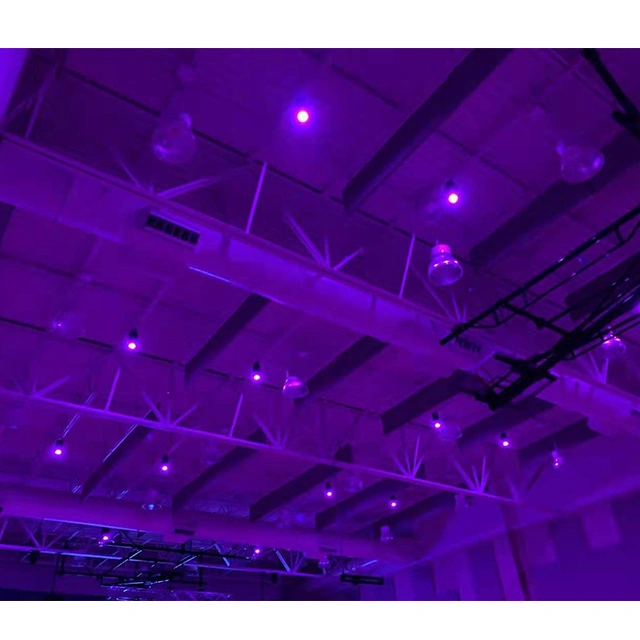
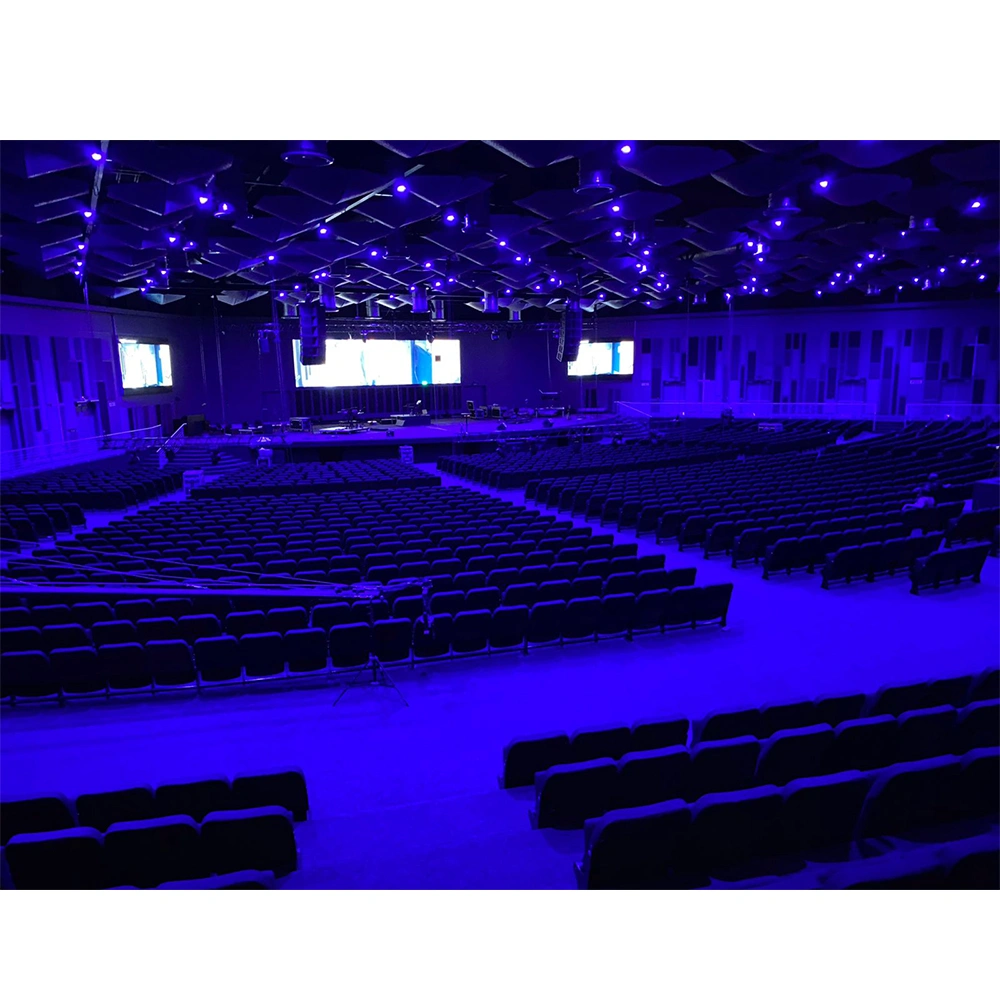
In the Maldivian B2B procurement chain, logistics and support present a significant challenge. Because the Maldives relies almost entirely on imported goods, procuring stage lighting equipment through multiple tiers of domestic distributors or international middlemen leads to inflated costs, delayed communication, and prolonged replacement cycles. Establishing a direct relationship with a high-capacity manufacturer like Guangzhou Senning Lighting Equipment Co., Ltd. (EV LIGHT) addresses these challenges directly.
EV LIGHT operates a state-of-the-art high-tech industrial park spanning 26,000 square meters. Equipped with advanced R&D laboratories, automated assembly workshops, and dedicated electronic assembly lines, the company holds a leading position in the international stage lighting export sector. Over 90% of EV LIGHT’s production is dedicated to OEM and ODM services, with a major focus on the strict and quality-demanding US and European markets. By shipping directly from our Guangzhou facility to Male, Maldivian engineering and entertainment teams can bypass intermediary markups, obtain custom-configured optics, and secure direct technical support and replacement parts straight from the engineers who built the system.
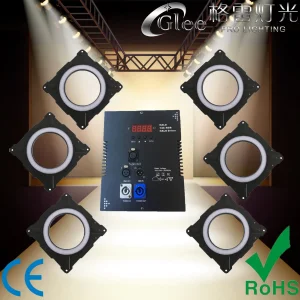
Heavy-duty, IP65+ rated stage fixtures engineered for professional concert production and premium resort architecture in the Maldives.
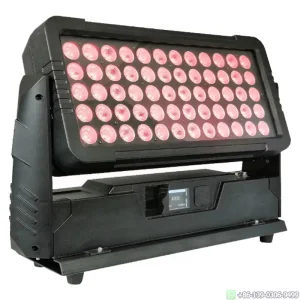
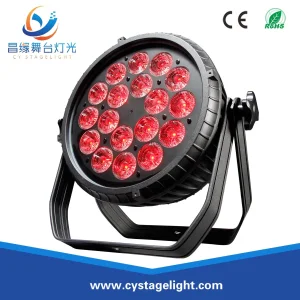
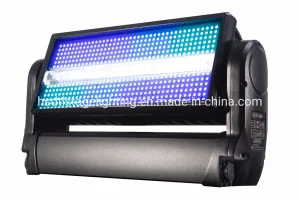
As the Maldives moves toward carbon neutrality by promoting solar energy and smart microgrids, the stage lighting sector must evolve accordingly. The next generation of outdoor LED stage lighting will rely on three primary developments:
Modern LED chips produce more lumens per watt than legacy systems. However, power factor correction (PFC) within LED drivers is equally critical. Premium drivers keep the power factor above 0.95, minimizing current spikes on resort generators and ensuring stable operation even when dozens of high-power strobes or wall washers are fired simultaneously.
Running control cabling through sand, sea, and tropical vegetation is both costly and vulnerable to damage. The integration of Swedish W-DMX or CRMX wireless protocols allows designers to transmit reliable data over distances of up to 500 meters without cables, even across small channels between overwater decks.
Using high-density lithium-ion battery packs, waterproof stage pars can operate at full power for 8 to 12 hours on a single charge. This setup allows for quick configurations for temporary beachfront beach clubs, private island dinners, and pop-up events, reducing setup labor and eliminating cable safety hazards.
Critical engineering answers for resort technical managers, event producers, and lighting consultants.
An IP65 rating only certifies protection against rain and low-pressure water jets. It does not certify protection against high-saline air, intense UV radiation, or thermal-cycling condensation. Saltwater acts as a highly corrosive electrolyte that penetrates seals, causing galvanic corrosion at connection points. Marine-grade coatings (such as C5-M classification) and pressure-equalization vents are required for long-term reliability.
At our 26,000㎡ industrial park, we subject all outdoor stage lights to salt spray chambers, thermal chambers (-20°C to 60°C), UV exposure testing, and immersion tests. This process ensures that components, including the SUS316 hardware, silicone gaskets, and protective coatings, withstand years of tropical exposure.
Battery-powered lights (such as our 12X18W 6in1 PAR Lights) eliminate the need to run high-voltage cables across wet beach sand or tidal zones. This reduces installation time, eliminates tripping hazards for guests, and ensures stable illumination independent of generator status.
Yes. Through our OEM/ODM service, we can customize optics to feature narrow beams (e.g., 10° for long-distance building columns) or wide floods, along with specific color options (such as warm amber, which is safer for coastal turtle nesting sites).
We handle sea and air freight logistics directly from Guangzhou port to Male Velana International Airport or Male Port. We provide comprehensive export documentation, custom tariff coding, and replacement kits to ensure hassle-free clearance and installation.
 Senning Lights