Senning Lights
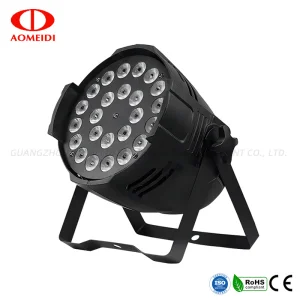
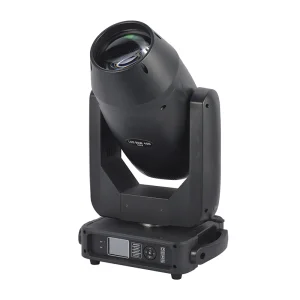
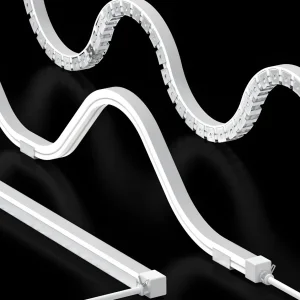
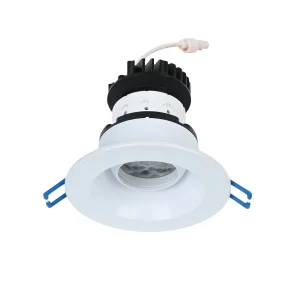
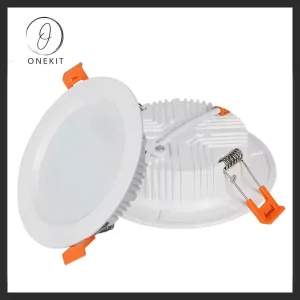
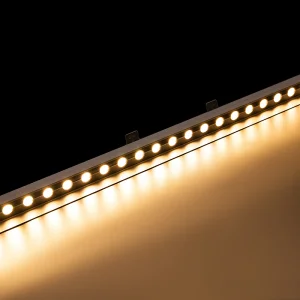
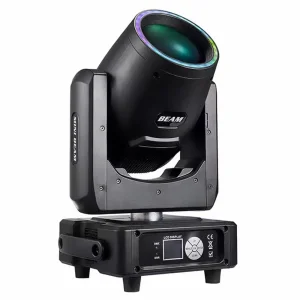
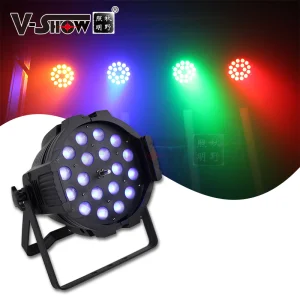
The modern live entertainment, architectural, and corporate event industries have undergone a rapid structural transition toward wire-free, smart-controlled lighting architectures. High-voltage power networks and intricate DMX data runs, which historically demanded extensive cabling, certified electricians, and prolonged setup windows, are increasingly being replaced by CE-certified battery-powered stage lights. These self-contained luminaires integrate high-capacity lithium-ion or lithium-iron-phosphate (LiFePO4) storage arrays with adaptive wireless transceiver chipsets, permitting seamless layout configuration in settings where conventional power sources are either inaccessible or prohibited due to conservation codes.
In response to this technological shift, global procurement teams must navigate a complex matrix of regulatory compliance, electrical engineering specifications, and hardware reliability metrics. For a battery-operated luminaire, performance is not merely defined by raw luminous flux. It requires an optimized synergy between smart battery management systems (BMS), high-frequency constant-current driver circuits, precise optical distribution, and efficient thermal dissipation pathways. As an established developer and exporter, Guangzhou Senning Lighting Equipment Co., Ltd. (operating internationally under the EV LIGHT brand) engineers lighting platforms that balance optical output and operational longevity.